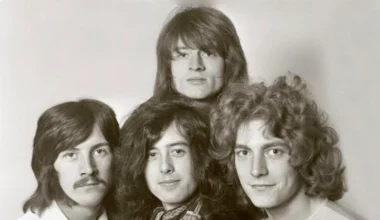
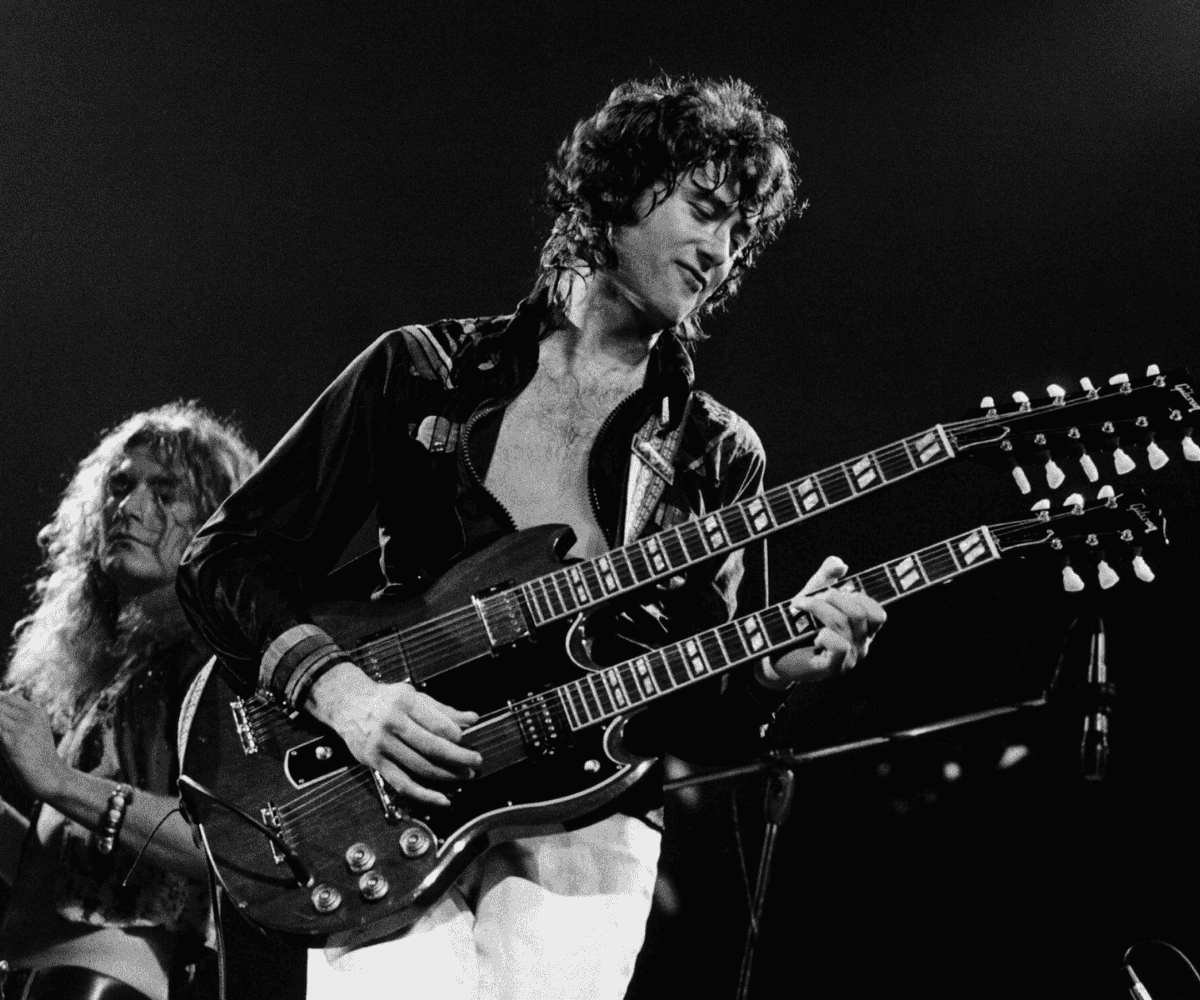
Every guitar hero since the golden age of rock has probably imagined what it must have felt like to be Jimmy Page. That towering mystique, the blazing solos, the shadowy stage presence — it wasn’t just music, it was mythology. But while most guitarists tried to follow in his footsteps, producer Rick Rubin believed the torch had already been passed — to someone else entirely. That someone was Tom Morello.
Back in the early days of Rage Against the Machine, Morello wasn’t trying to be a traditional guitar god. He was too busy trying to make his six-string sound like a turntable. Inspired by Rubin’s work with revolutionary hip-hop acts like Run-DMC and Public Enemy, Morello began reshaping rock guitar with effects, techniques, and ideas nobody had dared try before. He didn’t just play riffs — he made noises that sounded like they were beamed in from another planet.
Rubin heard something rare in Morello — the same kind of groundbreaking madness that once defined Page’s prime. “This could turn into a Yardbirds-into-Led Zeppelin scenario,” Rubin would later say. “In many ways, Tom Morello is the Jimmy Page of our time.”
When Rubin helped form Audioslave — the explosive collaboration between Morello and Soundgarden’s Chris Cornell — the comparisons grew louder. If Cornell brought the power and soul of a modern Robert Plant, Morello was there to push the limits of guitar just like Page had done decades earlier.
But unlike Page, who often relied on altered tunings and studio wizardry, Morello did more with less. He turned basic gear into a playground of chaos and genius — whammy pedals, toggle switches, feedback loops. On songs like “Cochise” or “Like a Stone,” he didn’t just play guitar solos — he created sonic riots. And it wasn’t a fluke. Tracks like “Take the Power Back” had already proven he could out-shred anyone, even on pure technique alone.
Where Page turned the guitar into a mythological weapon, Morello made it a machine of rebellion. And just like Page before him, he understood one core truth: the guitar is only wood, strings, and electricity — but in the hands of the right visionary, it can change the sound of history.