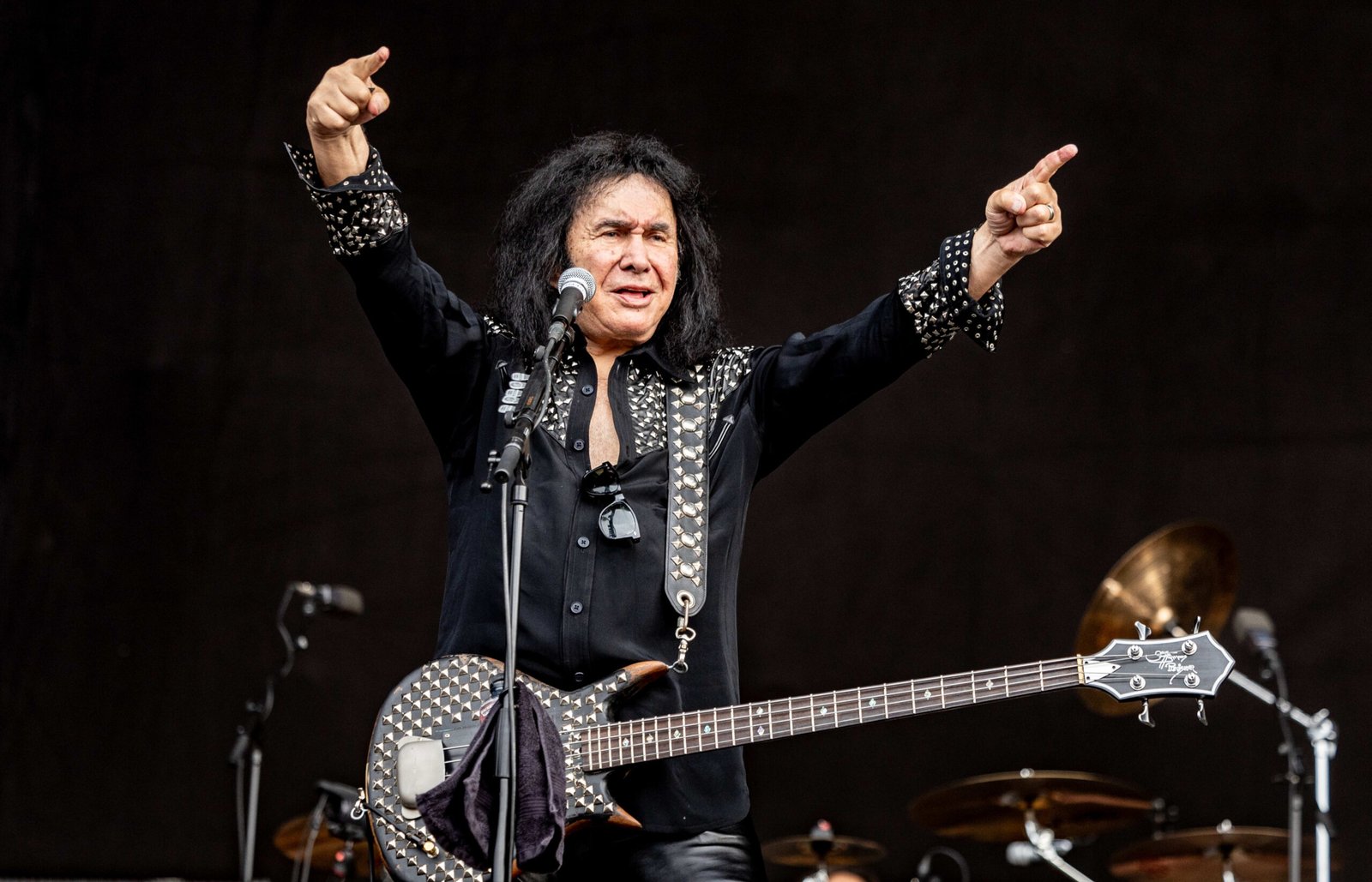
Gene Simmons took his glitter-painted boots off the stage and into Washington, delivering an unexpected but forceful testimony before the Senate Judiciary Subcommittee on Intellectual Property on December 9. His message was blunt: America’s biggest music stars are not being paid when their songs are played on the radio — and it’s long past time to fix it.
The hearing centered on the American Music Fairness Act, a proposed law that would require U.S. radio stations to pay artists and rights holders when broadcast stations play their songs. Unlike streaming platforms or international radio markets, American terrestrial radio has been exempt from paying performance royalties for decades. Simmons called that exemption “un-American.”
To drive the point home, he used the ultimate example.
“Elvis never got a penny for all the times, all the millions of times, his music was played around the world,” he said. The room fell silent — the idea that one of the most influential performers in modern music never earned a single cent from radio spins struck every senator and staffer in the chamber.
Simmons widened the lens by bringing in a surprising new ally: country legend George Strait. The two had just met days earlier at the Kennedy Center Honors, where Simmons was being celebrated. In his testimony, Simmons recalled their conversation.
“I told him, ‘George, do you know one of your biggest songs, ‘Amarillo By Morning’ — do you know you never got a penny for any of those broadcasts?’”
The senator panel reacted with raised eyebrows. Strait has sold more than 100 million records. The song has been played millions of times. Under current law, none of those plays generated performance royalties.
Simmons made it clear he wasn’t pointing his finger at radio hosts or fans. He blamed the system, calling it outdated and unfair. His appeal was emotional but pointed.
“We’re not treating our stars right,” he said. “The president will sign this once all you guys, respectfully, get your act together. Let’s do the right thing.”
The American Music Fairness Act would:
• Require radio stations to pay artists and labels when copyrighted songs are broadcast
• Include scaled fees so small, local stations aren’t crushed by costs
• Bring the U.S. in line with nearly every other developed nation, where artists already receive radio royalties
Critics argue the change could hurt independent broadcasters, but supporters counter that other countries have solved this issue while keeping local radio healthy — and that artists should not be shut out from income generated by their own work.
Simmons, a lifelong defender of artist rights (and a businessman who knows the value of a single brand), spoke with the clarity of someone who has spent decades in the trenches.
Elvis never got paid. George Strait never got paid. Countless working musicians never got paid. The bill is designed to correct that.
Whether Congress acts remains to be seen. But for a moment, rock and roll’s most tongue-waggling frontman became the voice of artist justice, urging lawmakers to finish the job.