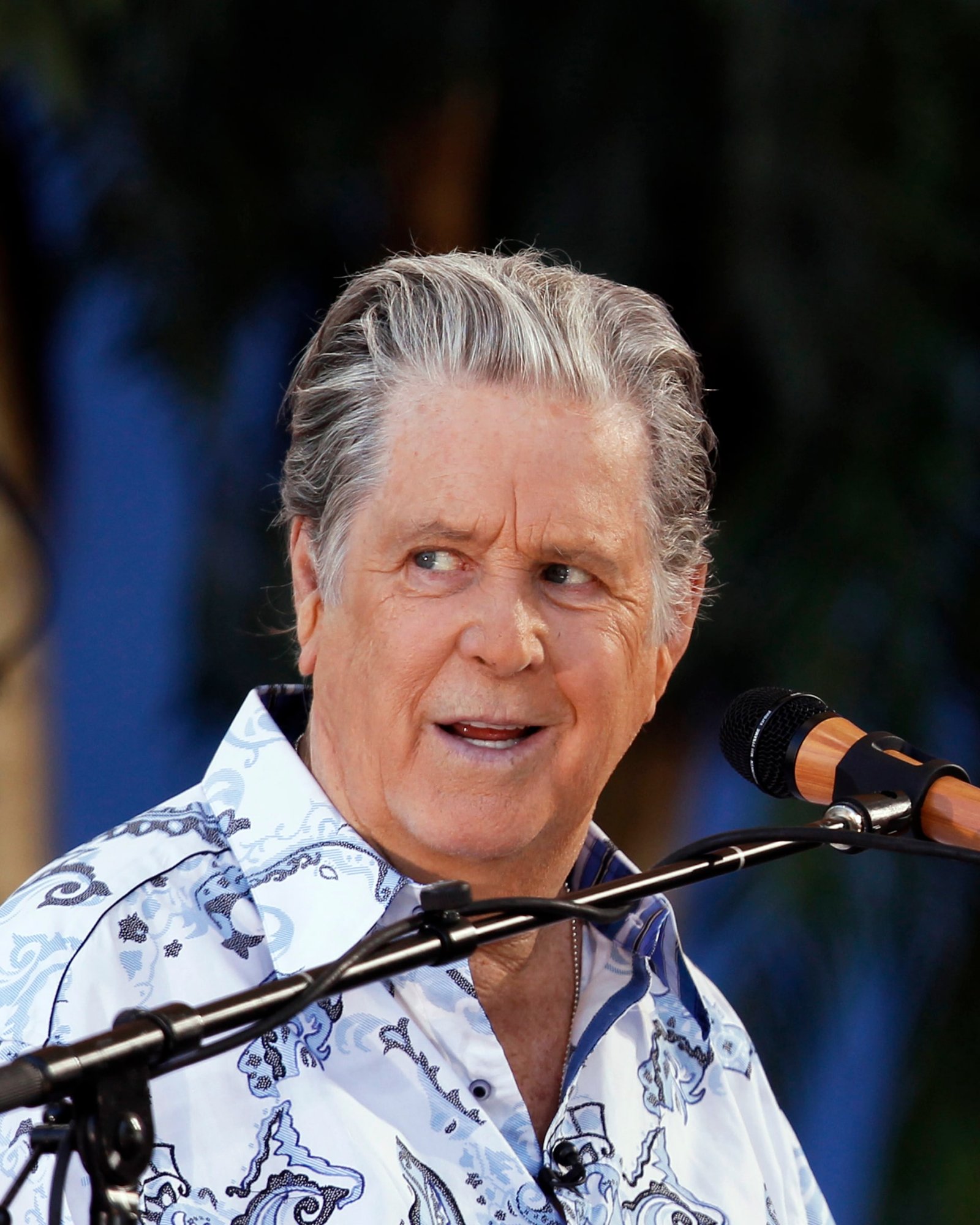
Brian Wilson — the creative force behind The Beach Boys and one of the most influential songwriters in pop history — was famously meticulous about his music. From the lush orchestration of Pet Sounds to the ambitious Smile sessions, Wilson’s work expanded what rock and pop could be. But even he had a surprisingly candid opinion about one track from Pet Sounds that he didn’t enjoy listening to on record: “I’m Waiting for the Day.”
Released on Pet Sounds in 1966, I’m Waiting for the Day is one of the album’s more upbeat tunes, known for its energetic vibe and emotionally direct lyrics. Musically, the track opens with dynamic drums and builds with layered instrumentation that feels both joyful and heartfelt — elements that fit with the broader thematic arc of the album.
Despite its positive energy and place in one of rock’s most celebrated albums, Wilson later admitted he wasn’t particularly fond of hearing the finished version of his own performance on the song. In Pet Sounds liner notes, he reflected on the track with unexpected humility:
“That’s the one cut off the album I didn’t really like that much… I just didn’t like my voice on that particular song.”
Wilson’s discomfort wasn’t about the song’s quality or its emotional message — he acknowledged it was “an appropriate song, a very, very positive song.” Rather, his dissatisfaction stemmed from how he felt his own vocal delivery came across on tape. With a deep sensitivity toward performance nuances, Wilson felt his voice didn’t reflect what he envisioned for the track’s emotional depth.
For fans and critics alike, I’m Waiting for the Day has often been appreciated for its breezy optimism and harmonic richness, qualities that echo Wilson’s broader artistic breakthroughs on Pet Sounds. The album itself is celebrated for pushing pop composition beyond formulaic pop and surf rock into emotionally complex territory, and songs like Wouldn’t It Be Nice and That’s Not Me helped reshape the blueprint for modern pop songwriting.
Yet I’m Waiting for the Day occupies a slightly different space — it’s not just a love song about anticipation, but also carries a sonic exuberance that feels less introspective than other tracks on the album. Wilson’s own commentary suggests that despite the song’s affectionate themes and spirited arrangement, he was overly self-critical about his vocal take rather than the track’s composition or production.
Some listeners also interpret the lyrics through a more ambiguous lens: while on the surface the song is about waiting for love, the emotional tone can verge on unresolved longing or uncertainty depending on one’s perspective. That layered emotional texture is one reason why Pet Sounds remains such a timeless and relatable work.
Wilson’s admission that he didn’t enjoy listening to this one song is striking because he was — by his own standards — a perfectionist who often reworked, rerecorded, and sculpted sounds until they matched his inner vision. His candidness about I’m Waiting for the Day reveals an artist constantly striving for emotional honesty, even when that honesty extended to critiquing his own performance.
In the decades since Pet Sounds was released, the album has grown in stature, frequently cited among the greatest records of all time. Whether fans share Wilson’s reservations about I’m Waiting for the Day or simply cherish it as a joyful highlight, his perspective offers a rare glimpse into the complexities of creating music that remains beloved long after its release.