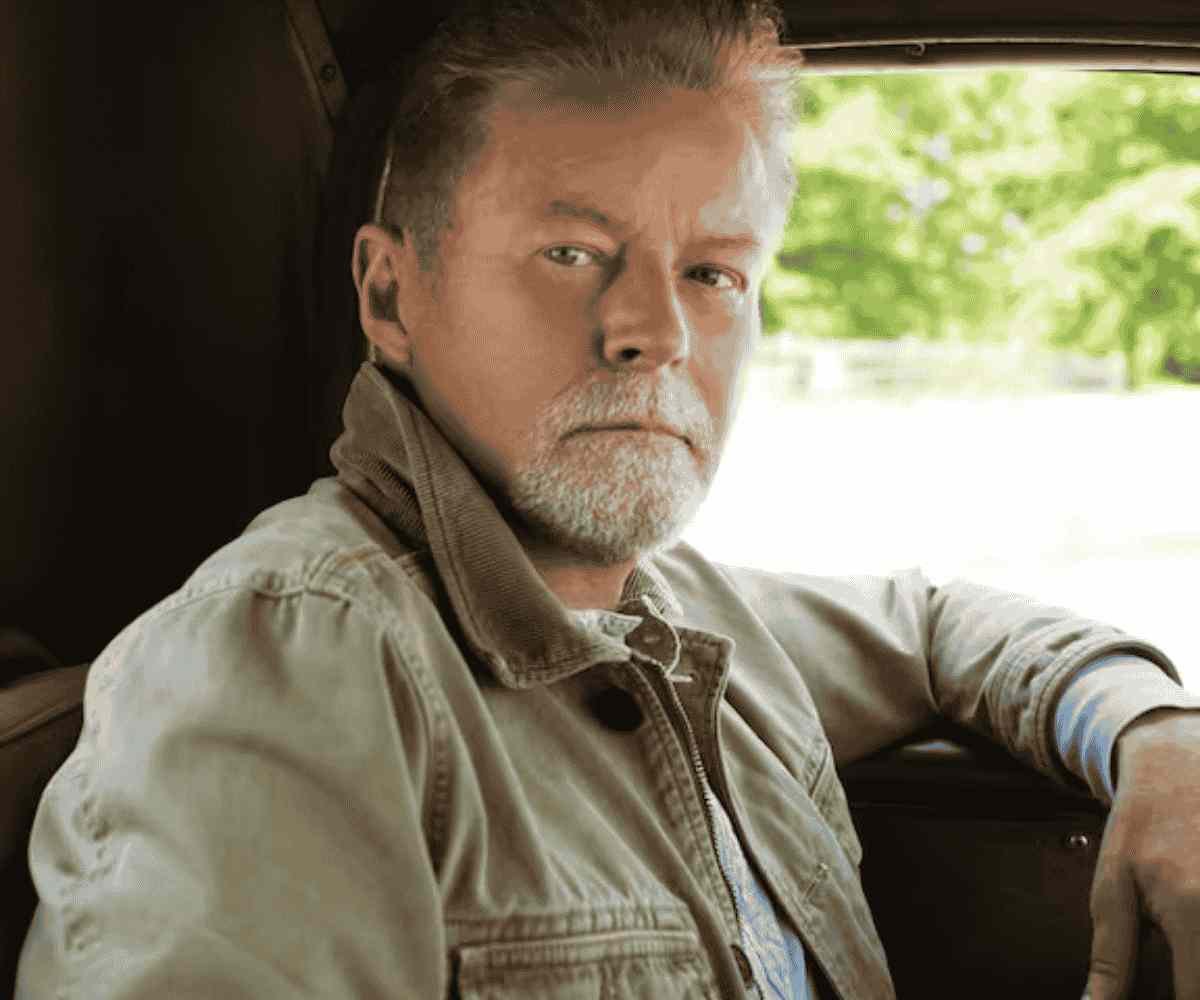
Don Henley is widely recognized as a founding force behind The Eagles, one of the most successful and enduring bands in rock history. But beyond the chart-topping hits and sold-out arenas, there’s another aspect of his legacy that resonates with critics and fans alike: his artistic authenticity. In recent years, musicians and commentators alike have described Henley as one of the last truly authentic artists in popular music — a creator whose work stands out not just for commercial impact, but for uncompromising integrity.
This sentiment draws on Henley’s long track record of songwriting that doesn’t shy away from complexity, introspection, or social commentary. Whether through anthems like “Hotel California” or solo classics such as “The Boys of Summer,” Henley’s music has combined melodic clarity with thoughtful exploration of personal and cultural themes — a blend that defines artistic sincerity in a world often driven by trends.
A Career Defined by Substance
Henley’s influence spans decades. With The Eagles, he helped shape the landscape of American rock in the 1970s, contributing to a catalog that remains deeply embedded in the fabric of popular culture. Songs like “Desperado” and “Life in the Fast Lane” became generational touchstones, combining memorable hooks with narratives about love, ambition, and the human condition.
When Henley embarked on a solo career in the 1980s, he carried that same commitment to meaningful songwriting into his individual work. Tracks like “The End of the Innocence” and “Not Enough Love in the World” continued to address real emotional and social issues, without sacrificing musical appeal.
Critics often point to Henley’s consistency in themes such as reflection, disillusionment, and personal accountability as evidence of his authentic voice — one rooted in lived experience rather than industry formula.
Peer Praise and Critical Recognition
Fellow musicians and writers have repeatedly noted Henley’s distinctive artistic character. Rather than merely pursuing commercial success, Henley has been willing to take creative risks — whether by pushing back against industry expectations, engaging in political and cultural commentary, or exploring lyrical territory that many songwriters shy away from.
This willingness to pursue substance over trend has earned him admiration across musical generations. When contemporary observers describe Henley as among the last authentic voices in rock, they’re often pointing to his refusal to dilute his artistic vision in favor of mainstream appeal. His body of work reflects a commitment to honesty — even when that honesty resists easy categorization.
Reflecting on Reputation and Legacy
Henley himself has spoken in past interviews about the tension between artistic expression and commercial pressures. He has acknowledged that maintaining authenticity can be challenging in an industry driven by metrics, algorithmic playlists, and marketing curves. Yet, he has consistently stood by the idea that meaningful music comes from the artist’s truth, not just polished production or calculated hooks.
That stance — grounding music in personal experience and cultural observation — has helped Henley maintain credibility with audiences who value depth as much as melody. It’s also helped The Eagles’ catalog endure, with songs that feel as vital today as when they were first released.
What It Means to Be “Authentic” in Music Today
In an era where viral moments can eclipse musical substance, and where digital production often separates artist from emotional immediacy, Henley’s career is cited as an example of what artistic authenticity looks like in practice: a consistent thread of honesty, depth, and human insight woven through decades of creation.
For fans and critics alike, describing Don Henley as one of the last truly authentic artists isn’t just praise for his past work. It’s recognition of an ongoing standard — a reminder that music grounded in truth still matters, transcending time, trends, and commercial pressures.
Don Henley is widely recognized as a founding force behind The Eagles, one of the most successful and enduring bands in rock history. But beyond the chart-topping hits and sold-out arenas, there’s another aspect of his legacy that resonates with critics and fans alike: his artistic authenticity. In recent years, musicians and commentators alike have described Henley as one of the last truly authentic artists in popular music — a creator whose work stands out not just for commercial impact, but for uncompromising integrity.
This sentiment draws on Henley’s long track record of songwriting that doesn’t shy away from complexity, introspection, or social commentary. Whether through anthems like “Hotel California” or solo classics such as “The Boys of Summer,” Henley’s music has combined melodic clarity with thoughtful exploration of personal and cultural themes — a blend that defines artistic sincerity in a world often driven by trends.
A Career Defined by Substance
Henley’s influence spans decades. With The Eagles, he helped shape the landscape of American rock in the 1970s, contributing to a catalog that remains deeply embedded in the fabric of popular culture. Songs like “Desperado” and “Life in the Fast Lane” became generational touchstones, combining memorable hooks with narratives about love, ambition, and the human condition.
When Henley embarked on a solo career in the 1980s, he carried that same commitment to meaningful songwriting into his individual work. Tracks like “The End of the Innocence” and “Not Enough Love in the World” continued to address real emotional and social issues, without sacrificing musical appeal.
Critics often point to Henley’s consistency in themes such as reflection, disillusionment, and personal accountability as evidence of his authentic voice — one rooted in lived experience rather than industry formula.
Peer Praise and Critical Recognition
Fellow musicians and writers have repeatedly noted Henley’s distinctive artistic character. Rather than merely pursuing commercial success, Henley has been willing to take creative risks — whether by pushing back against industry expectations, engaging in political and cultural commentary, or exploring lyrical territory that many songwriters shy away from.
This willingness to pursue substance over trend has earned him admiration across musical generations. When contemporary observers describe Henley as among the last authentic voices in rock, they’re often pointing to his refusal to dilute his artistic vision in favor of mainstream appeal. His body of work reflects a commitment to honesty — even when that honesty resists easy categorization.
Reflecting on Reputation and Legacy
Henley himself has spoken in past interviews about the tension between artistic expression and commercial pressures. He has acknowledged that maintaining authenticity can be challenging in an industry driven by metrics, algorithmic playlists, and marketing curves. Yet, he has consistently stood by the idea that meaningful music comes from the artist’s truth, not just polished production or calculated hooks.
That stance — grounding music in personal experience and cultural observation — has helped Henley maintain credibility with audiences who value depth as much as melody. It’s also helped The Eagles’ catalog endure, with songs that feel as vital today as when they were first released.
What It Means to Be “Authentic” in Music Today
In an era where viral moments can eclipse musical substance, and where digital production often separates artist from emotional immediacy, Henley’s career is cited as an example of what artistic authenticity looks like in practice: a consistent thread of honesty, depth, and human insight woven through decades of creation.
For fans and critics alike, describing Don Henley as one of the last truly authentic artists isn’t just praise for his past work. It’s recognition of an ongoing standard — a reminder that music grounded in truth still matters, transcending time, trends, and commercial pressures.