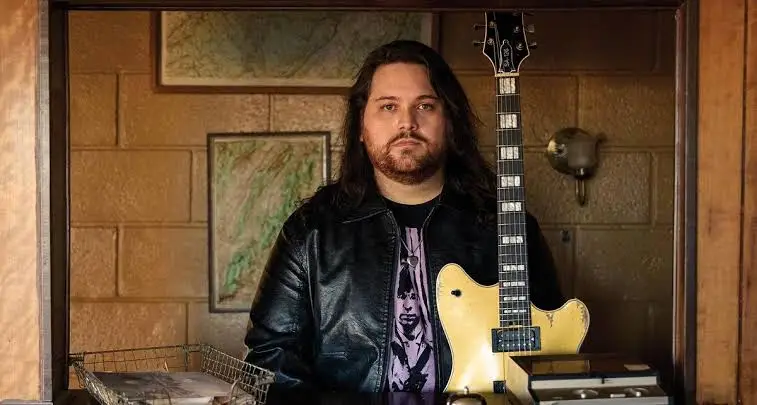
Wolfgang Van Halen says he finds it baffling when people claim that rock music is dead. The rock musician — who leads the band Mammoth WVH and continues the musical legacy of his father, Eddie Van Halen — rejects that idea outright, arguing that rock is very much alive and constantly evolving.
In a recent interview, Wolfgang pushed back against the notion that rock has faded from relevance. “When people say rock is dead, I think that’s really stupid,” he told Rolling Stone. For him, the claim overlooks the genre’s adaptability and the ongoing passion he sees in both artists and fans.
Rock Is Alive in New Forms
Wolfgang pointed to the diversity of modern rock music as evidence that the genre hasn’t disappeared — it has simply grown beyond narrow definitions. “Rock might not be the dominant force on Top 40 radio anymore,” he said, “but there’s incredible music being made, and there’s an audience for it.”
He went on to highlight how young artists, independent bands, and established acts alike are keeping rock vibrant in 2025. Instead of lamenting change, Wolfgang believes enthusiasts should celebrate rock’s ongoing creativity and presence across streaming platforms, live shows, and passionate fan communities.
Carrying on a Legacy — Without Looking Back
As the son of Eddie Van Halen, Wolfgang is uniquely positioned to speak on rock’s evolution. He grew up immersed in rock history but has built his own path with Mammoth WVH — a project that blends classic influences with contemporary energy. Wolfgang has said before that his music isn’t about nostalgia, but about bringing rock’s spirit into the present.
That perspective shapes his response to the “rock is dead” argument. For him, rock isn’t defined by a single era or commercial metrics — it lives wherever artists are pushing boundaries and fans are emotionally invested in the sound.
Mammoth WVH’s Role in Today’s Rock Landscape
Wolfgang’s band has gained attention for albums that combine melodic hooks with rock instrumentation, earning praise from both older rock fans and newer listeners. Mammoth WVH’s success suggests that there is still a robust audience for guitar-driven music that honors rock’s roots while embracing fresh ideas.
In challenging the notion that rock is dead, Wolfgang underscores a broader trend: the genre may no longer dominate mainstream charts, but it thrives in communities that value authenticity and musical energy.
A Confident Look Ahead
Wolfgang’s message isn’t just a defense of rock’s relevance — it’s a call to those who love the genre to stay curious and open. He believes rock’s future isn’t dependent on nostalgia or replication, but on evolution and emotional resonance.
“When people say rock is dead, they’re looking at data, not culture,” Wolfgang said. For him, rock lives wherever people find connection, meaning, and power in the music — and that, he insists, is far from gone.