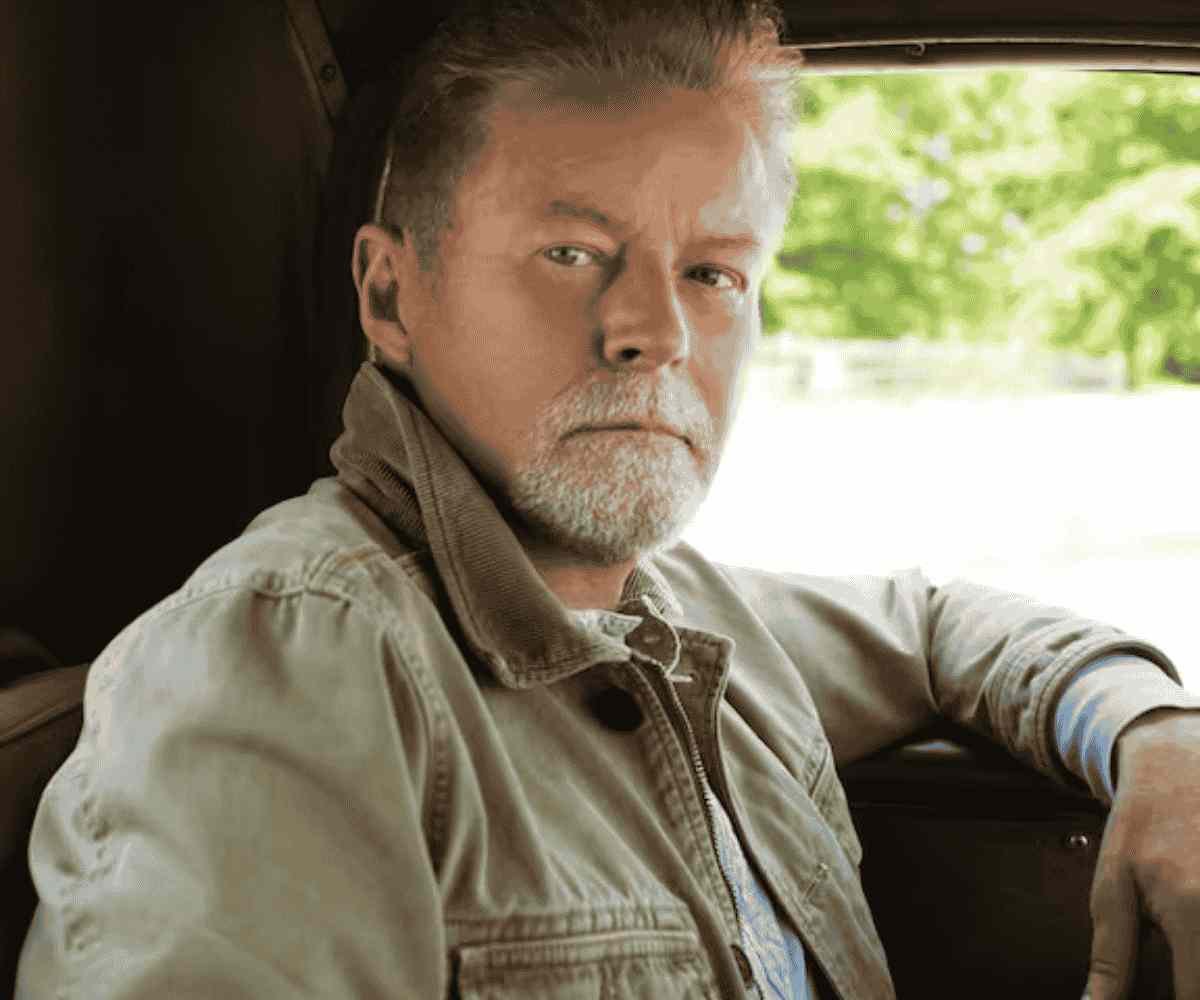
Don Henley — singer, songwriter, and co-founding member of Eagles — knows a thing or two about classic American music. Though his own roots are steeped in rock, Henley has always carried an appreciation for the deeper, more traditional strains of country music. And among the artists working today, there’s one modern voice he says comes closest to what country used to be.
In a recent commentary on contemporary music, Henley singled out Jamey Johnson as one of the most authentic country singers of the present era — someone whose voice and songwriting resonate with the genre’s storied past in a way few others can match.
Henley grew up listening to classic country — not the pop-influenced chart fare dominating today’s Nashville, but the raw, lived-in sounds of icons like George Jones, whose emotionally rugged voice Henley once described as possessing “authenticity … you hear in that voice.”
That same authenticity is what drew Henley to Jamey Johnson. Though Johnson has had chart success with songs like “In Color,” his deeper work is rooted more firmly in the storytelling and sonic texture of country’s roots. His vocal grit, lyrical depth, and embrace of traditional influences stood out to Henley amid a scene Henley views as over-produced and overly synthetic.
Henley’s own musical journey hasn’t always worn a pure country label. With the Eagles, he helped bridge rock and country rock — songs like “Peaceful Easy Feeling” and “Desperado” underscored that connection, even as mainstream audiences embraced the band across genre lines. His solo work, too, often leans into Americana and heartland themes that align with country’s storytelling tradition.
What sets Johnson apart, in Henley’s view, isn’t simply his sound, but his lineage — the way he inhabits the traditions of classic country without mimicking them. Unlike many of today’s chart-centric hits that could easily slot into pop playlists, Johnson’s music evokes the lived experiences, narrative richness, and vocal authenticity of earlier eras.
Henley once remarked that if he couldn’t have the late George Jones on his own record, Johnson was “the nearest thing we’ve got to that,” before adding, “Bless his heart he’s gone, I’ll get Jamey Johnson because he’s the nearest thing.” That sentiment speaks not just to admiration, but to a belief that genuine emotional resonance — the kind that defined classic country — still exists, even if it’s rarer in mainstream outlets.
Henley’s endorsement reflects a broader conversation in country music: the tension between traditional sounds and modern production trends. While some current artists blend pop and rock into their soundscapes, critics argue that the genre’s roots can get lost in studio polish and commercial pressures.
Yet artists like Johnson — and others who champion heartfelt lyricism, unvarnished vocals, and narrative depth — continue to carry country’s lineage forward. Henley’s praise underscores not just personal preference, but a recognition of the living heritage behind country music’s storytelling power.
And while artists such as Chris Stapleton and Jason Isbell also embody elements of that authenticity, Henley’s spotlight on Johnson highlights a musician whose voice he believes most closely aligns with country’s original spirit — deeply rooted, richly textured, and unapologetically real.