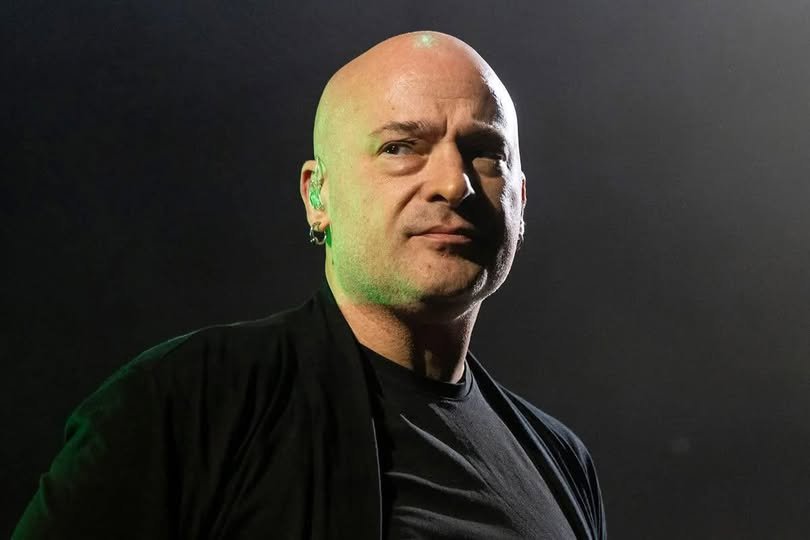
David Draiman has made it clear that apologies mean little without action.
The Disturbed frontman publicly responded to Kanye West’s recent apology, thanking him for the statement but stressing that words alone cannot undo the damage caused by years of inflammatory rhetoric, antisemitic remarks, and offensive content. In a post shared to X (formerly Twitter), Draiman struck a firm but measured tone, laying out what he believes real accountability should look like.
“I appreciate the apology, but words alone are not enough,” Draiman wrote. “The damage that’s been done can’t simply be erased with a statement.”
Rather than calling for cancelation, Draiman emphasized responsibility, education, and tangible steps toward repair.
“This is not about cancelation. It is about responsibility,” he said.
“Do Something That Actually Matters”
In his message, Draiman outlined specific actions he believes would carry real weight. Among them: joint public efforts to promote unity and the removal of one of West’s most controversial tracks.
“If you’re serious about making amends,” Draiman wrote, “then let’s do something that actually matters. Let’s show up together at Black and Jewish unity events. Let’s use our platforms to educate instead of inflame.”
He also directly called on West to remove a song titled “Heil Hler”** from his catalog, which has been widely condemned for its offensive and antisemitic content.
“Pull that song from your catalog,” Draiman said. “It shouldn’t exist. Leaving it up there sends the message that this is all just performance, not accountability.”
While his response was blunt, Draiman avoided attacking West personally or calling for his career to be destroyed. Instead, he framed his remarks as an opportunity for meaningful change.
“I’m not here to tear you down,” he wrote. “I’m here to challenge you to do better — and to do something real with the influence you still have.”
He added that public figures, especially those with massive platforms, have a responsibility to move beyond symbolic gestures.
“Accountability isn’t a tweet. It’s what you do after the tweet,” Draiman said.
Draiman’s response quickly spread across music and social media circles, drawing praise from fans and fellow artists alike. Many applauded him for addressing the situation head-on without resorting to outrage or opportunism.
“He said exactly what needed to be said,” one fan wrote. “Not hateful, not performative — just real.”
Another added, “This is what accountability looks like. Clear boundaries, real demands, and a path forward.”
Others noted the significance of Draiman’s position as a Jewish artist confronting antisemitism directly while still offering an avenue for reconciliation.
“This Is About Responsibility”
Draiman closed his message by returning to his central point: apologies are only the beginning.
“This is not about cancelation,” he wrote again. “It is about responsibility. It’s about learning. It’s about repairing harm instead of pretending it didn’t happen.”
Whether West responds to Draiman’s challenge — and whether he takes any of the concrete steps outlined — remains to be seen. But the exchange has reframed the conversation, shifting it away from viral apologies and toward what real accountability might actually require.
For now, Draiman’s message stands as a rare moment of clarity in a culture often stuck between outrage and empty forgiveness: if an apology is real, it should come with action.