Super Bowl Sunday, Feb. 8, 2026, conservative activist group Turning Point USA (TPUSA) hosted a highly publicized alternative halftime special called the All-American Halftime Show, designed to run in parallel with the NFL’s official halftime performance headlined by Bad Bunny.
The event was positioned as a patriotic “family-friendly” alternative, celebrating “faith, family, and freedom” during the Super Bowl halftime window — a direct response to criticism from conservative circles over the NFL’s choice of the Puerto Rican artist to headline the official show.
TPUSA’s All-American Halftime Show featured a compact lineup of performers largely associated with conservative-leaning and country-rock music fans:
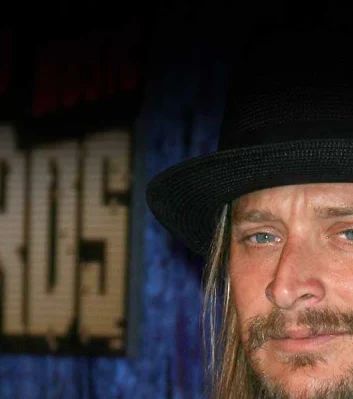
- Kid Rock — the headliner and focal performer, billed as a “great American music” mainstay.
- Brantley Gilbert — country rock singer known for blue-collar themes.
- Lee Brice — mainstream country artist with multiple hit singles.
- Gabby Barrett — Grammy-nominated country singer and Academy of Country Music winner.
TPUSA framed the roster as offering “great American music” that celebrates traditional values, appealing to viewers who objected to the NFL’s official halftime choice.
The All-American Halftime Show was scheduled to stream live during the halftime break of Super Bowl LX, typically around 8:00 p.m. ET.
Viewers could tune in for free via multiple channels:
- TPUSA’s official social media — YouTube, X (formerly Twitter), and Rumble.
- Partner networks and platforms — including Real America’s Voice, OAN (One America News Network), TBN (Trinity Broadcasting Network), Daily Wire+, and CHARGE! (an OTT channel available via services like YouTube TV, Hulu & Live TV, and Sling).
Just before kickoff, TPUSA announced that the show would not stream on X due to licensing restrictions. Organizers directed audiences instead to TPUSA’s YouTube channel for the livestream during the halftime window.
The alternative halftime event emerged amid cultural pushback from conservative commentators and public figures critical of the NFL’s mainstream entertainment choices. Some supporters hailed the All-American Halftime Show as an expression of patriotic pride and a counterpoint to what they saw as un-American influences in the official Super Bowl program.
However, critics and cultural commentators argued that launching a rival halftime show injected political division into one of the nation’s broadest entertainment stages — a space traditionally reserved for non-partisan celebration. Media discussion around the event included satire and skepticism of both the concept and the performers’ motivations.
The All-American Halftime Show ran alongside the NFL’s licensed halftime program, which aired on major broadcast networks and featured global superstar Bad Bunny performing his official Super Bowl set. The juxtaposition highlighted broader cultural debates about identity, entertainment, and national values during the most watched television event of the year.