The conservative nonprofit Turning Point USA staged its All-American Halftime Show on Super Bowl LX Sunday as an alternative to the NFL’s official halftime performance headlined by Bad Bunny — but the event drew widespread scrutiny, mixed reactions and controversy rather than unifying applause.
Presented as a patriotic, “family-friendly” alternative, the All-American Halftime Show was headlined by Kid Rock alongside country performers Brantley Gilbert, Lee Brice and Gabby Barrett. Turning Point USA positioned the event as a celebration of “faith, family and freedom” in response to criticism from some conservative audiences about Bad Bunny’s official Super Bowl performance, which highlighted Latin culture and Spanish-language music.
The event streamed on TPUSA’s YouTube channel after a last-minute licensing problem prevented it from airing on X, and organizers claimed millions tuned in at its peak. It opened with tributes to the late TPUSA founder Charlie Kirk and featured flames, patriotic backdrops and a mix of rock and country songs tailored to what the group described as “great American music.”
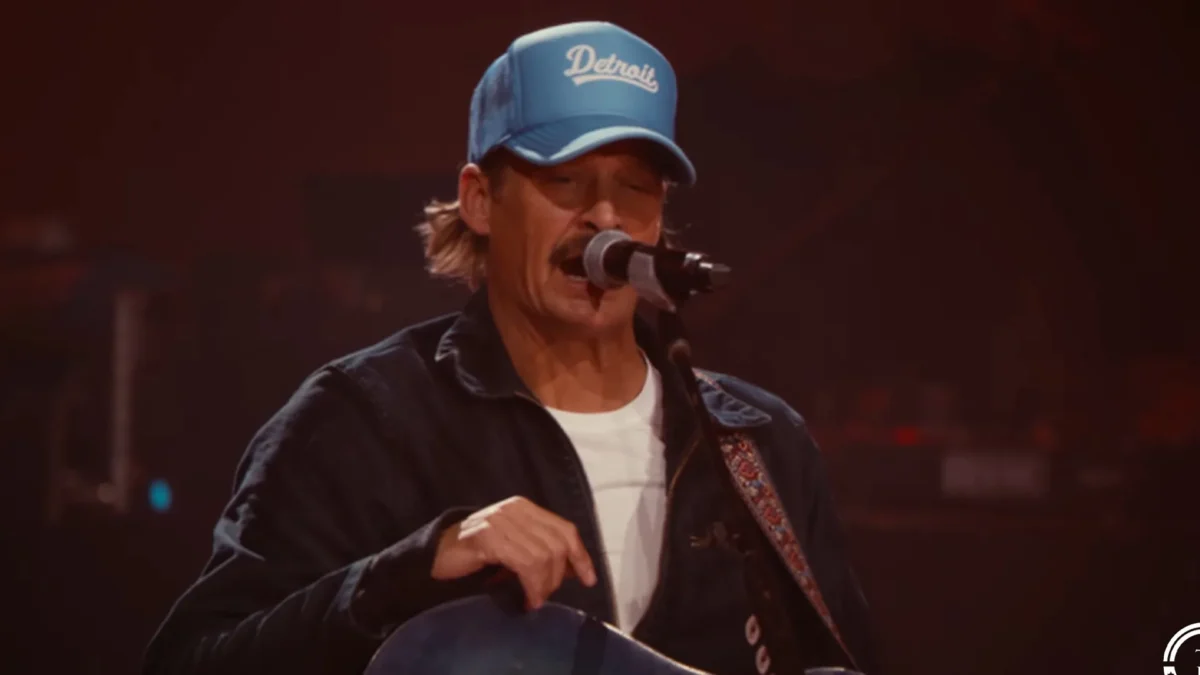
According to performance reports, Brantley Gilbert brought high-energy anthems, Lee Brice blended new material with crowd favorites, and Gabby Barrett delivered strong vocal sets that connected with parts of the audience. Kid Rock’s set was comparatively brief — reportedly two songs, including his own “Bawitdaba” and a cover of Cody Johnson’s “’Til You Can’t” performed under his real name, Robert Ritchie, accompanied by patriotic visuals.
Despite elaborate staging and strong branding, several music critics and cultural commentators dismissed the production as a reactionary spectacle that lacked cohesion and originality, characterizing it as an “angry tantrum” against the NFL’s choices rather than a compelling standalone show.
The TPUSA show was anchored in the culture wars that have fractured Super Bowl entertainment this year. The group’s decision to produce an alternative event followed months of conservative backlash over Bad Bunny’s selection — including his use of Spanish in his set and commentary from political figures who labeled the official show “un-American.”
Criticism of the All-American show itself centered on Kid Rock’s controversial past lyrics and image, which opponents said undermined the “family-friendly” framing of the event. Some viewers mocked his performance style and questioned the authenticity of parts of the show, including apparent lip syncing and awkward staging.
Meanwhile, social media users and commentators were sharply divided: some praised the event as a patriotic counterweight, while others — including conservative cultural figures not directly involved — called it poorly executed and a weak substitute for the main halftime broadcast.
Bad Bunny’s official Super Bowl performance, which celebrated Latino heritage and inclusion through high-production choreography and guest appearances, was widely discussed across mainstream media. That show drew both praise and political criticism — notably from former President Donald Trump — and served as the cultural backdrop against which the TPUSA event was defined.
The All-American Halftime Show was more than a musical alternative — it became a flashpoint in the broader national debate over culture, identity and entertainment. Intended to offer a different halftime experience, it instead highlighted how divided audiences have become over what constitutes “American” entertainment on one of the biggest stages in broadcasting.