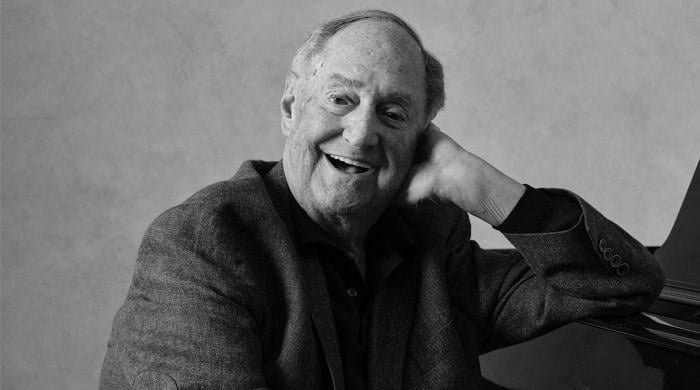
Legendary singer-songwriter Neil Sedaka has died at the age of 85, prompting an outpouring of tributes from artists across the music world, especially those shaped by his timeless songwriting and influence. Known for his smiling voice, impeccable pop craftsmanship, and an extraordinary catalog of hits spanning six decades, Sedaka’s passing marks the end of a remarkable era.
Sedaka first rose to prominence in the late 1950s and early 1960s, becoming one of the architects of the early pop-rock sound. His songs — often co-written with his longtime partner Howard Greenfield — were performed by himself and by other major artists, helping define the soundtrack of post-war youth culture. Classics like “Calendar Girl,” “Breaking Up Is Hard to Do,” “Happy Birthday Sweet Sixteen” and “Laughter in the Rain” remain staples of the American Songbook and pop radio decades after their release.
Musicians and Fans React
Following word of Sedaka’s death, musicians from different generations took to social media to express admiration and sorrow:
- Don Henley (of The Eagles) shared heartfelt praise, calling Sedaka “one of the great American songwriters” whose work has “stood the test of time and touched countless lives.”
- Rick Nielsen of Cheap Trick reflected on Sedaka’s influence on power pop and guitar-driven melodies, noting that his songs were “great examples of pop intelligence wrapped in rock energy.”
- Carly Simon, whose own early hits were part of the same era as Sedaka’s, described him as a “brilliant and sincere artist” whose work was “truly woven into the fabric of our memories.”
Tributes poured in not just from classic rock icons, but from artists whose careers arose long after Sedaka’s heyday — a testament to how widely his songwriting resonated.
Sedaka’s musical journey began as a piano prodigy in Brooklyn before he became a central figure in the Brill Building era — the hub of American songwriters in the 1960s. Alongside Greenfield, Sedaka was part of a generation crafting hits not just for themselves but for an array of stars. His work was emblematic of an era where melody, craft and emotional honesty were king.
Though his early career peaked before the rock-dominated changes of the mid-1960s, Sedaka enjoyed a major comeback in the 1970s, when he re-established himself with hits like “Laughter in the Rain” and “Bad Blood.” Those tracks helped him connect with a new generation of listeners and proved his talent transcended shifting musical trends.
Sedaka’s influence extended far beyond his own recordings. His songs were covered and interpreted across genres and decades, proving adaptable and enduring. Pop, rock, country, soul and even jazz artists have all turned to his catalog for material that felt both immediate and timeless.
Musicians remembering Sedaka highlighted not just his melodies, but his professionalism and craft — something younger writers and performers repeatedly noted as a model. His ability to combine emotional warmth with pop elegance made him a rare bridge between Tin Pan Alley-style songwriting and modern pop/rock structure.
Sedaka continued to write, perform and connect with audiences well into his later years. Whether through concerts, recordings or personal appearances, his voice and piano playing remained central to his identity as an artist. His career — beginning in the dawn of rock-and-roll and extending into the 21st century — is one of the longest and most consistent in popular music.
At 85, Sedaka leaves behind an extraordinary legacy: a lifetime of songs that defined youth, heartbreak, joy and memory for millions of fans around the world. In the reactions from countless musicians and admirers, one theme emerged again and again: that his work wasn’t just successful… it was beloved.
His music shaped the soundtrack of generations — and will continue to do so.