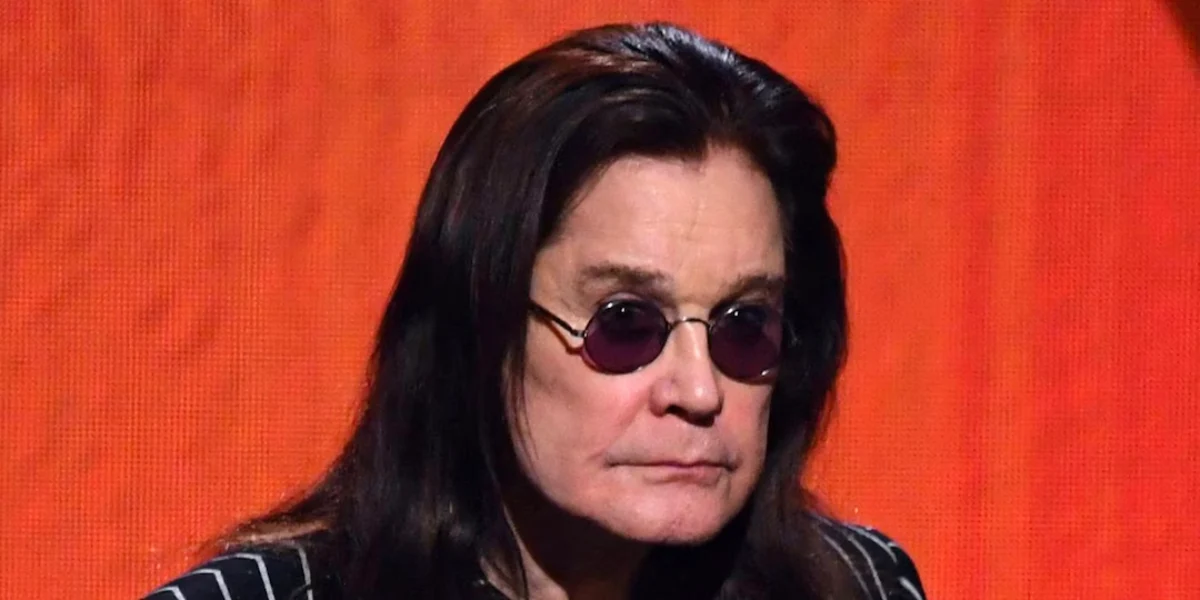
When Ozzy Osbourne finally stepped off the stage for what would be his last time, it should have been the triumphant send-off every rock legend dreams of — and in many ways it was. On 5 July 2025, in his hometown of Birmingham, England, Osbourne performed Back to the Beginning with the original line-up of Black Sabbath, reuniting for a historic finale that fans had long hoped to see.
But behind that monumental night was a deeper, quieter sorrow that many fans didn’t fully grasp: the toll that loss and tragedy had taken on one of rock’s most outrageous figures. Far from just a farewell performance, the run-up to Ozzy’s final years was marked by personal grief and reflection that had quietly reshaped his life and legacy.
Decades earlier, during his rise to fame with Black Sabbath and later as a solo artist, Ozzy had often spoken about the impact of losing musicians he admired. One such case was guitarist Steve Marriott, whose death Ozzy once said cut him deeply. “When he died, a part of me died, too,” Osbourne told Metal Hammer, recalling shared stages and musical kinship.
That sentiment — of loss etching itself into his soul — followed him throughout his life. Ozzy survived notorious highs and lows: battles with addiction, wild antics including biting the head off a bat onstage, and high-profile health scares that nearly ended his career before it truly did.
In his final years, a series of medical issues compounded the emotional weight he carried. After being diagnosed with Parkinson’s disease nearly five years before his death and dealing with complications from a 2018 fall that resulted in a broken neck, Ozzy’s physical resilience diminished even as his spirit remained defiant.
Even so, he insisted on performing one last time — telling doctors and family he wanted to go out “his way.” His determination to hit that final stage, despite knowing his health was fragile, was a statement of stubborn love for music and the fans who had followed him for decades.
Friends and peers saw both sides of this struggle: Ozzy, the larger-than-life rock god, and Ozzy, the man bearing the cumulative weight of losses he’d faced and carried privately. Decades on from early blows like the deaths of friends and bandmates, this late-career mortality felt both inevitable and deeply sad.
When he died on 22 July 2025 at age 76 — just 17 days after his farewell concert — it was officially due to cardiac arrest compounded by coronary artery disease and the effects of years battling Parkinson’s disease, according to his death certificate. Even in his passing, there was a sense that the rock-and-roll gauntlet he ran for decades finally caught up with him.
To many fans and fellow musicians, the sadness wasn’t just about the end of an era; it was about the loneliness and vulnerability beneath the myth. “A part of me died too” was more than a quote — it became a way to understand how loss had shaped, and shadowed, a life lived on the edge of music history.