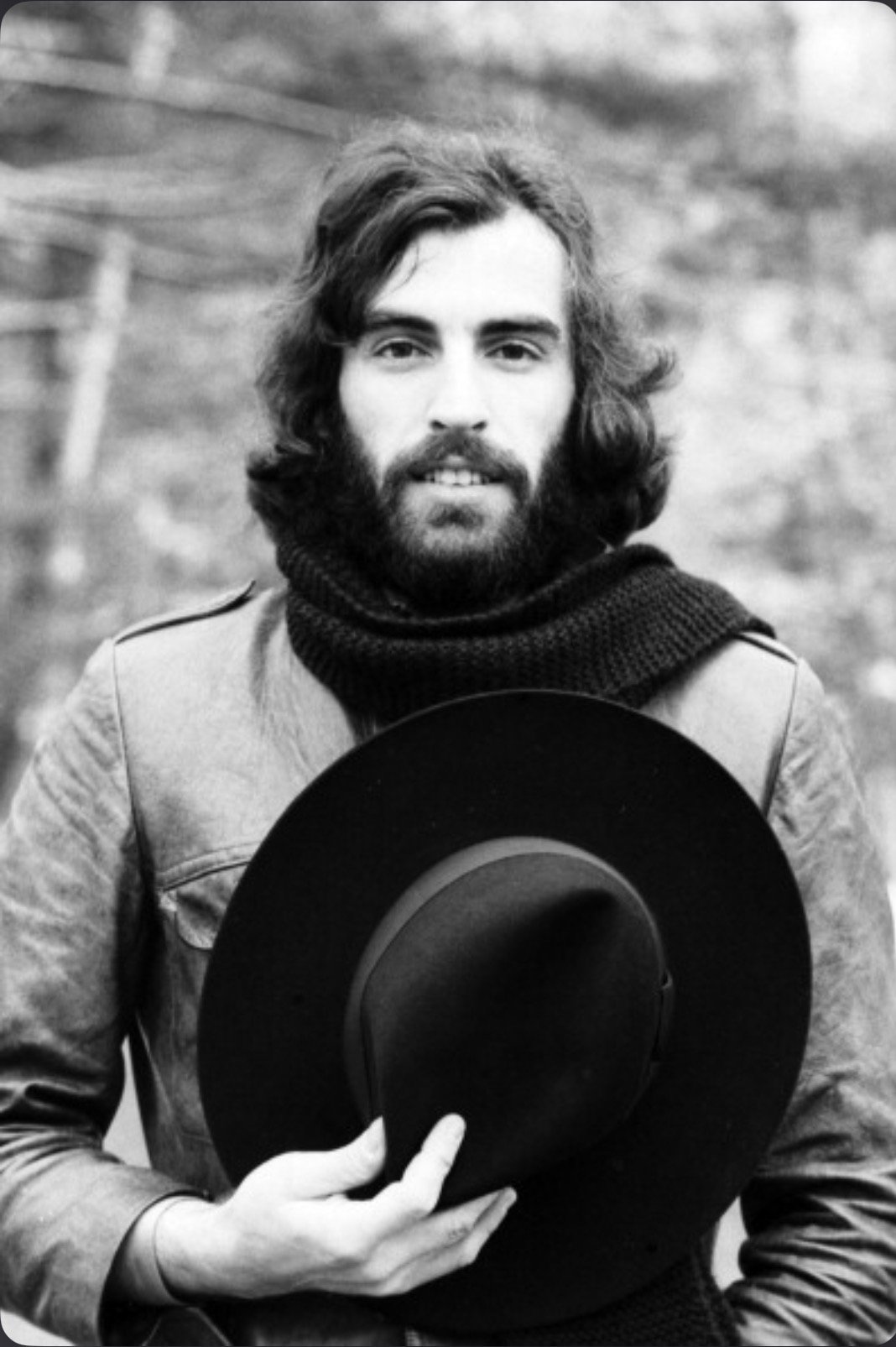
On this day, we remember Richard Manuel — a voice that never simply performed a song, but lived inside it. He left this world on March 4, 1986, at just 42 years old. And yet, decades later, his voice still feels close enough to reach out and touch.
Born in Stratford, Ontario in 1943, Manuel grew up surrounded by church hymns and classical piano lessons. That blend of gospel feeling and disciplined musicianship shaped everything he would become. When he joined the group that would become The Band, alongside Robbie Robertson, Levon Helm, Rick Danko, and Garth Hudson, he didn’t arrive with ego or flash. He arrived with heart.
Before the world knew them as The Band, they stood behind Bob Dylan during his turbulent electric tours in the mid-1960s, absorbing boos, chaos, and history in the making. Those years forged them. When they stepped forward on their own with Music from Big Pink and the self-titled The Band, something shifted in American music. It sounded older than rock, deeper than trends. It sounded lived-in.
And when Richard sang, it felt like confession.
There was an ache in his delivery that couldn’t be faked. In “Tears of Rage,” his voice trembled like someone trying to hold back tears. In “I Shall Be Released,” he sang with a yearning that felt almost spiritual. In “Whispering Pines,” he sounded beautifully haunted. His falsetto didn’t soar to impress; it cracked just enough to remind you that he was human. He played piano the same way he sang — sensitive but powerful, restrained yet capable of breaking open without warning.
But the same sensitivity that made his art so profound also made life heavier. Manuel struggled for years with addiction and depression. The pressures of touring, expectations, and personal battles weighed on him quietly. Even during The Last Waltz, the farewell concert immortalized by Martin Scorsese, there was a fragility in him that was impossible to ignore. He seemed present, but also distant — like someone carrying something unseen.
After The Band’s original farewell in 1976, life didn’t suddenly become easier. Though he reunited with the group in the 1980s, the internal struggles never truly loosened their grip. On March 4, 1986, after a show in Florida, Richard Manuel died by suicide. The news sent shockwaves through the music community. His bandmates were devastated. Fans felt something deeply personal had been lost.
And maybe that’s because it had.
Richard Manuel wasn’t just another singer in a legendary group. He was its pulse — the quiet emotional current running beneath the harmonies and storytelling. He didn’t dominate the spotlight; he deepened it. He sang like someone who understood heartbreak intimately and wasn’t afraid to let you hear it.
Today, remembering him isn’t about reopening wounds. It’s about honoring the honesty he gave us. It’s about recognizing that vulnerability can be a form of courage. It’s about pressing play on those old recordings and feeling that familiar ache rise again — proof that he’s still here in the only way artists truly stay.
When his voice floats through the speakers, fragile and unguarded, it reminds us that music at its best doesn’t just entertain. It connects. It comforts. It tells the truth.
And Richard Manuel always told the truth.