A Bold Claim From One of Alternative Rock’s Most Outspoken Voices
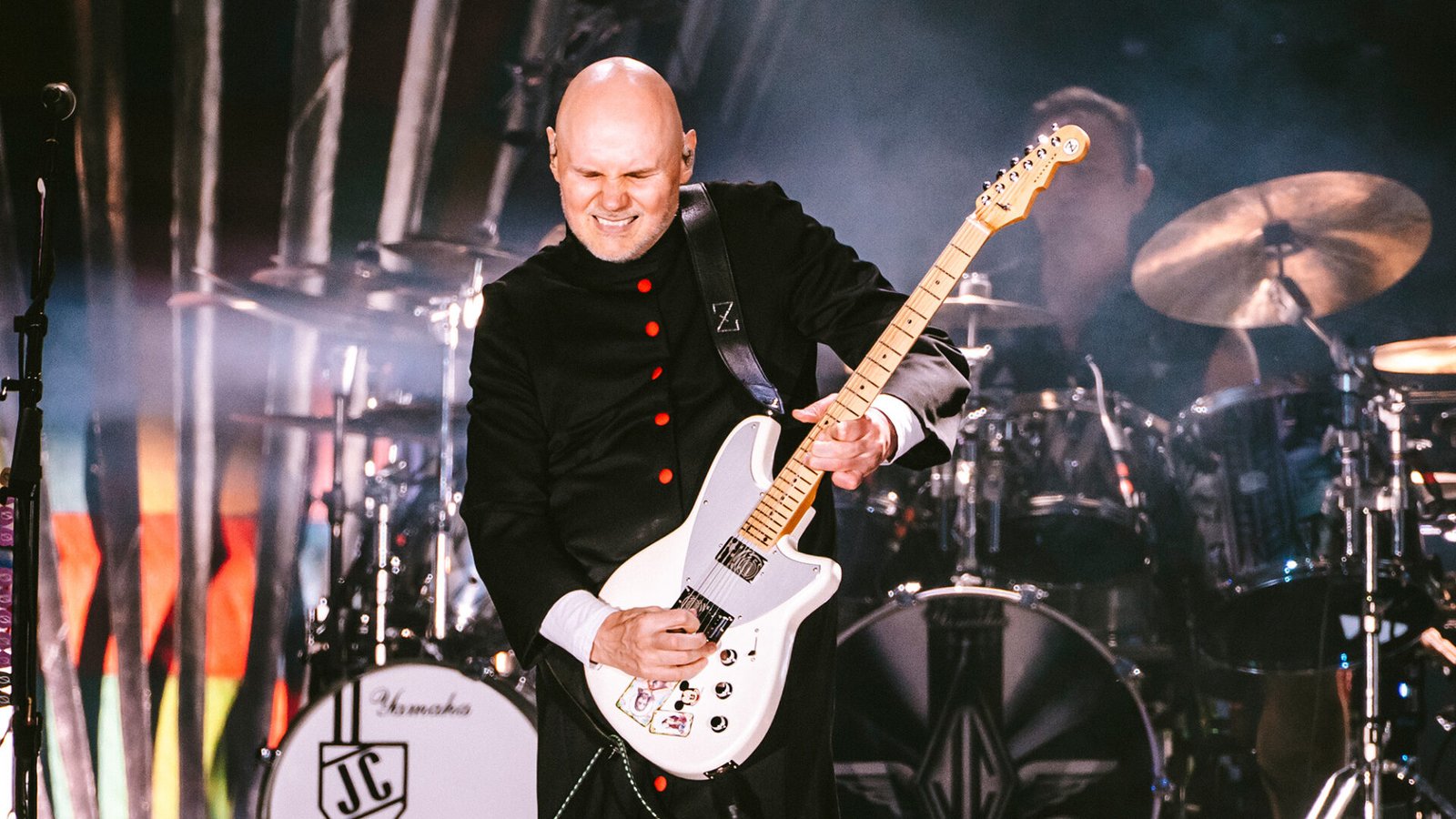
For decades, rock music dominated popular culture. From stadium tours to MTV rotation, guitar-driven bands defined the sound of the late 20th century. But according to Billy Corgan — frontman of The Smashing Pumpkins — the genre didn’t simply fade away from the mainstream.
In a recent discussion on his podcast The Magnificent Others, Corgan argued that rock music was “purposely dialed down” in popular culture, claiming the shift away from guitar-driven music during the late 1990s was not entirely natural.
His comments have sparked debate across the music world, reigniting a long-standing conversation about why rock music lost its dominant place in mainstream media.
The Moment Corgan Says Everything Changed
According to Corgan, the turning point happened in the late 1990s — particularly around 1997–1998, when he observed a sudden shift in how music was promoted on television.
He pointed specifically to the programming changes at MTV, which during the 1980s and early 1990s had been one of rock music’s biggest platforms.
Corgan recalled that rock was still performing strongly commercially at the time, yet the cultural spotlight shifted rapidly.
He explained that from his perspective:
- Rock music was still popular with audiences
- But media attention moved away from rock artists
- Other genres began dominating television and radio
Corgan described it as a dramatic cultural change, saying he “saw the gravity shift.”
MTV, Rap, and a Changing Music Landscape
One of Corgan’s biggest arguments involves the rise of hip-hop and rap music in mainstream media.
During the late 1990s:
- Hip-hop exploded commercially
- Artists like Tupac Shakur and The Notorious B.I.G. were reshaping pop culture
- Music television began prioritizing rap and pop programming
Corgan said he witnessed a sudden transition in MTV programming where rock content declined dramatically.
He recalled that rap replaced rock in major broadcast slots, accompanied by looser standards for content that previously wouldn’t have aired.
He even pointed out that imagery such as guns appearing in music videos became more common after the shift.
Despite this, Corgan made it clear he does not blame rap artists themselves, acknowledging that great music emerged from the genre during that era.
The Controversial CIA Remark
Perhaps the most controversial moment from Corgan’s comments involved speculation about whether the shift was purely cultural.
During the discussion, he mentioned that some people at the time believed government agencies might have been involved in shaping the cultural landscape.
Corgan said:
“Some people assert the CIA was involved… above my pay grade, but I saw it happen.”
He did not claim direct evidence, but referenced rumors circulating in music industry circles during the period.
The remark immediately sparked debate online, with critics calling the suggestion speculative while supporters argued that cultural shifts in media often involve complex institutional forces.
The Strange Position of Rock Today
Corgan believes the most puzzling aspect of the modern music industry is the disconnect between rock’s popularity and its cultural visibility.
According to him:
- Rock bands still dominate concert ticket sales
- Legacy acts regularly sell out arenas and stadiums
- Yet rock receives relatively little mainstream media attention
He described this contradiction as a “schism” in the entertainment industry.
In his words, rock may still be one of the most powerful live music genres, but its cultural voice has been muted.
The Rise and Fall of Rock’s Cultural Dominance
To understand Corgan’s argument, it helps to look at the broader history of rock music.
The Era of Rock Dominance (1960s–1990s)
For decades, rock defined popular music:
- The Beatles revolutionized pop culture in the 1960s
- Led Zeppelin and Pink Floyd shaped the 1970s
- The 1980s brought arena rock and MTV dominance
- The 1990s saw the explosion of grunge and alternative bands like Nirvana and The Smashing Pumpkins
By the mid-1990s, rock bands were among the biggest acts in the world.
The Shift in the Late 1990s
However, by the end of the decade:
- Hip-hop and R&B became dominant on charts
- Teen pop acts like Britney Spears and Backstreet Boys took over radio
- Digital music and streaming began reshaping consumption
Many analysts argue these market changes explain rock’s reduced mainstream visibility.
But Corgan believes the shift happened too quickly to be purely organic.
Why Corgan’s Comments Matter
Corgan has long been known as one of rock’s most outspoken figures.
As the leader of The Smashing Pumpkins, he helped define alternative rock during the 1990s with landmark albums like:
- Siamese Dream (1993)
- Mellon Collie and the Infinite Sadness (1995)
His influence during that era gives him a unique perspective on the industry’s transformation.
Whether people agree with his theory or not, his comments highlight an ongoing question:
Why did rock music lose its cultural dominance despite remaining hugely popular live?
The Debate Isn’t Going Away
Corgan’s remarks have already sparked widespread discussion among fans, musicians, and critics.
Some believe his theory exaggerates the situation, arguing that music trends naturally evolve.
Others agree with his core argument — that industry forces and media decisions can shape which genres dominate the cultural spotlight.
What’s undeniable is that rock still thrives on stage:
- Major rock tours regularly sell out worldwide
- Classic bands continue drawing massive crowds
- New guitar-driven artists still emerge
Yet compared to previous decades, rock rarely dominates charts or mainstream media coverage.
For Billy Corgan, that imbalance raises a question that many rock fans still ask today:
Did rock music fade naturally — or was it quietly pushed aside?