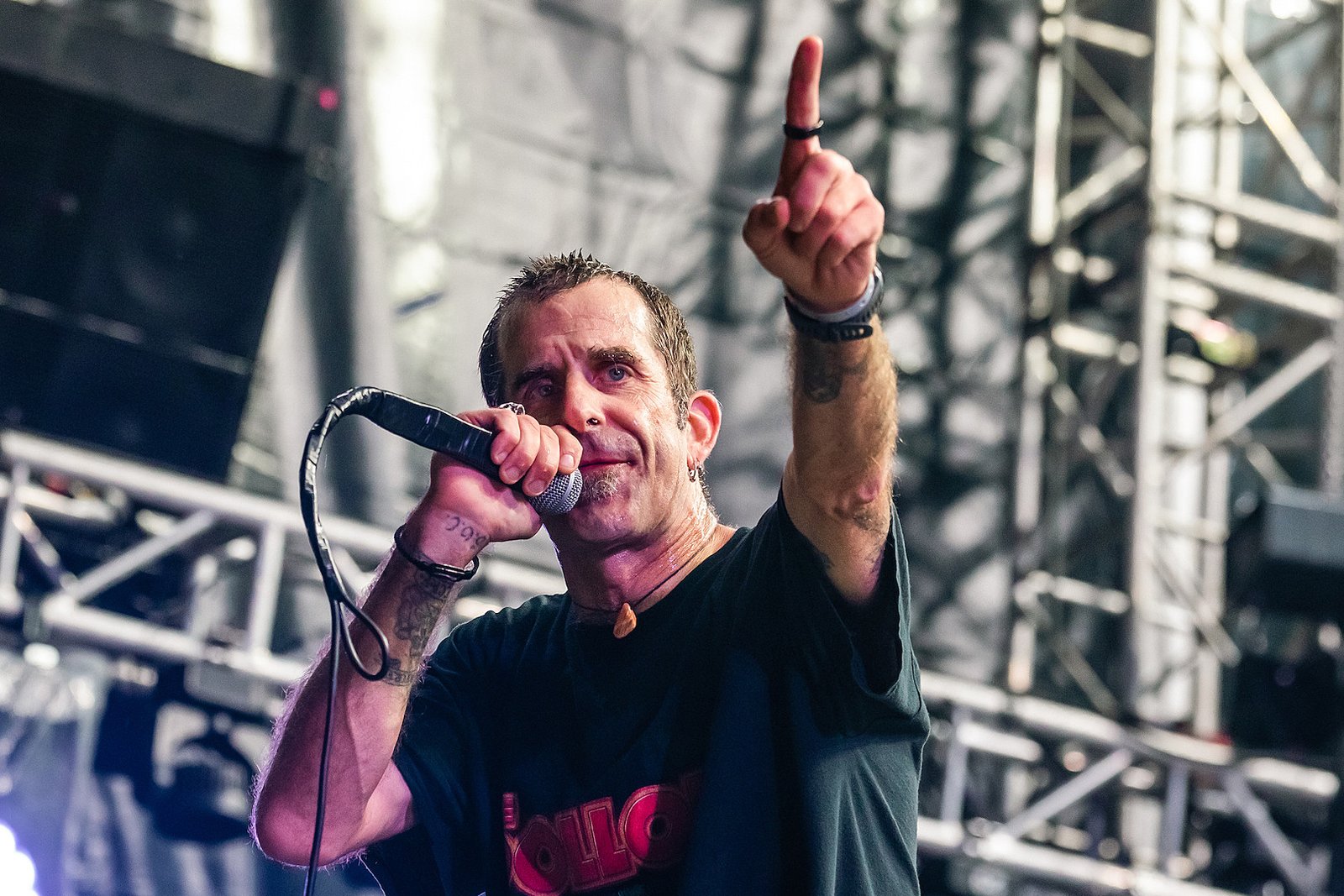
Randy Blythe has never been one to stay quiet — and now, he’s turning his attention to fellow musicians who are.
In a blunt and unapologetic statement, the Lamb of God frontman criticized artists who choose to remain silent in today’s political climate, urging them to take a stand instead of hiding behind neutrality. His message was clear: staying quiet isn’t just passive — it’s part of the problem.
The comments came during a recent interview discussing his politically charged writing, where Blythe explained that many people today feel “beaten down” and believe their voices no longer matter. But in his view, that mindset is exactly what allows things to deteriorate further.
Rather than retreating, he argued that people — especially public figures — need to stay engaged. Online outrage, he said, isn’t enough. Real action requires participation, whether that means voting, protesting, or educating oneself on the issues shaping the world.
Blythe didn’t stop there. He pointed to systemic problems within politics itself, criticizing the influence of money in elections and referencing how corporate power has distorted democratic processes.
But the most pointed part of his message was directed squarely at artists who avoid speaking out. For Blythe, music — especially metal — has always been intertwined with social and political commentary. From war to inequality, the genre has historically reflected the chaos of the world around it. Staying silent now, he suggests, is a betrayal of that tradition.
This isn’t a new stance for Blythe. He has long rejected the idea that musicians should “just play music” and avoid politics entirely. In earlier remarks, he dismissed that notion outright, arguing that artists are not entertainers detached from reality, but individuals with a responsibility to speak on issues that matter.
His perspective is rooted in a broader belief: apathy is dangerous. When people stop engaging — whether out of exhaustion, fear, or indifference — they effectively surrender their influence. And in a system already strained by division and misinformation, that silence only amplifies the problems.
At the core of Blythe’s argument is a simple but confrontational idea: if you have a platform and choose not to use it, you’re part of the silence that enables everything else.
It’s a message that won’t sit comfortably with everyone — and it’s not meant to.
Because for Randy Blythe, discomfort is exactly where change begins.