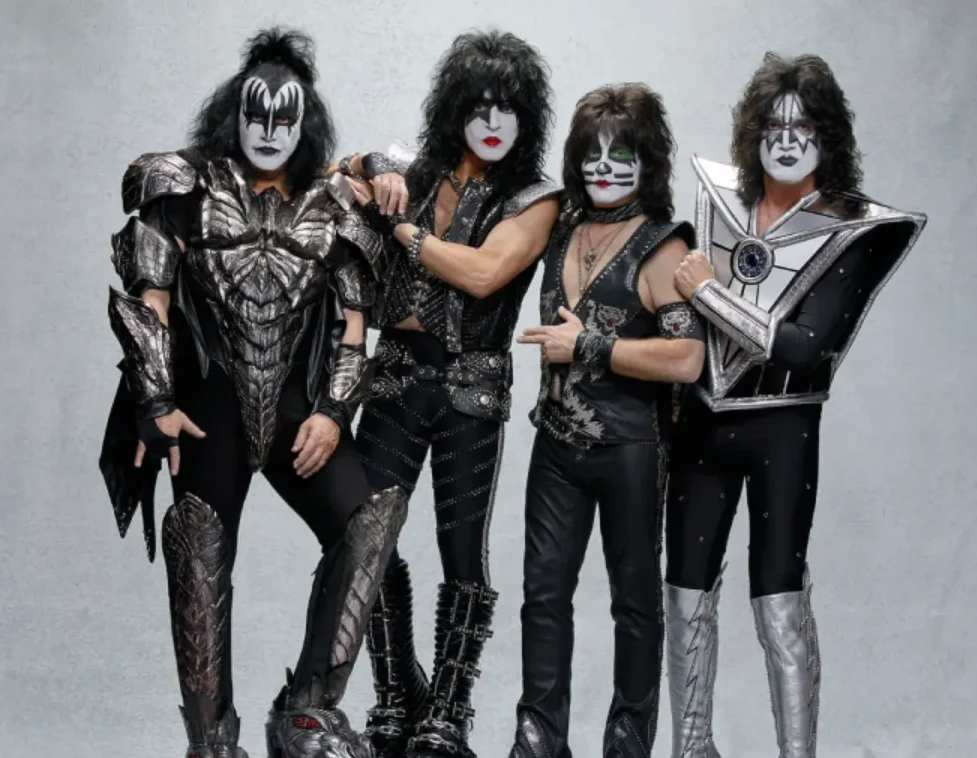
KISS had the kind of live show that could swallow an entire room. That was exactly the problem for a lot of bands asked to open for them: even if they played well, they often felt like they were only there to warm up the crowd before the real spectacle arrived. Far Out’s look back at the issue makes the point plainly — being on the road with KISS could mean long stretches of exhausting travel, bad nights, and audiences who were already counting down the seconds until the headliners came on.
Gene Simmons has always been blunt about the way KISS built their touring empire. He said the band gave early breaks to acts including AC/DC, Judas Priest, Iron Maiden, Bon Jovi, Mötley Crüe, and Rush, and he treated that history as proof that KISS could open doors for other bands even when the experience was not exactly pleasant for everyone involved. The article uses that as the starting point for why some support acts were grateful, while others were not.
The atmosphere around a KISS tour could be brutal for the opening act. Their fanbase was so locked in on the headliners that support bands were often drowned out by shouting and impatience from the moment they stepped onstage. Sammy Hagar was one of the people who apparently reached his breaking point, with Far Out quoting him describing a night where he lost patience with the crowd, insulted them, trashed his guitar, and walked off. The story is less about one bad gig and more about the way KISS could make an opening slot feel like a losing battle.
Tony Iommi had a similar memory from touring with them when Black Sabbath opened for KISS. He said the bands did not really get along, and in one of rock’s more childish but memorable road-war stories, Sabbath reportedly altered a venue sign that read “Black Sabbath and Kiss” by changing the P to make it say “Piss.” It was petty, funny, and perfectly in line with the kind of tension the article says often followed KISS on the road.
The piece closes by underlining just how dominating KISS were as a live act. Even Black Sabbath, who were already massive and would go on to become almost as iconic in their own right, still struggled against the force of KISS’s image, volume, and fan devotion. That is the core of the story: KISS were not just difficult to follow because they were loud. They were difficult to follow because they turned every show into a contest nobody else was really meant to win.

Michael Thomas
Michael Thomas is a music historian obsessed with the '70s and '80s rock scene. He collects vinyl and argues about Led Zeppelin daily.