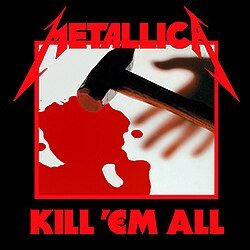
Metallica are heading back into the studio for a special project tied to the anniversary of their debut album Kill ’Em All, the 1983 record that first put them on the map and helped ignite the entire thrash metal movement. According to reports, the band’s return to the studio is connected to revisiting that early era rather than starting a typical new album cycle, making it feel more like a reflection on where everything began.
When Kill ’Em All originally came out in 1983, Metallica were still a young band trying to break out of the underground tape-trading scene. They had formed just a couple of years earlier, building their reputation through intense live shows and a rapidly growing fanbase that spread their music long before major label attention arrived. The album was raw, fast, and aggressive in a way that didn’t really exist in mainstream metal at the time, with tracks like “Hit the Lights,” “Seek & Destroy,” and “Whiplash” setting the tone for what would become their identity.
What makes this studio return interesting is how far removed the band is from those early conditions. Today, Metallica are one of the biggest rock bands in the world, playing stadiums and festivals across continents. But Kill ’Em All still sits at the center of their story — not just as a debut, but as the blueprint for everything that followed. It captured a band learning its sound in real time, with urgency and attitude driving the music more than production polish.
Over the decades, songs from that album have never really left their live sets. Even as their sound evolved through albums like Master of Puppets, The Black Album, and beyond, the spirit of Kill ’Em All has remained part of their identity. That’s part of why this anniversary-focused studio session feels significant — it isn’t about nostalgia for nostalgia’s sake, but about reconnecting with the energy that started it all.
While full details about what will come out of the sessions haven’t been clearly outlined yet, the idea of Metallica stepping back into that mindset more than 40 years later has already caught attention. It highlights just how important that first chapter still is, even for a band that has spent decades evolving far beyond it.
For fans, it’s another reminder that Metallica’s legacy doesn’t just live in their biggest albums or biggest shows — it starts with four guys in the early ’80s pushing speed, volume, and chaos into something that would change heavy music forever.