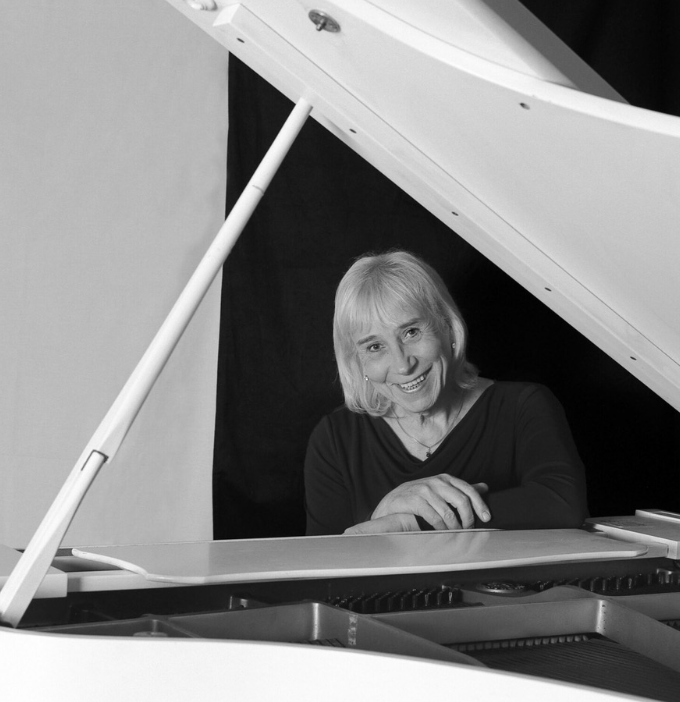
Prog-rock pioneers Jethro Tull have officially confirmed the passing of their visionary former keyboardist and symphonic arranger, Dee Palmer, who died at the age of 88.
The heartbreaking news was shared by Jethro Tull mastermind Ian Anderson via the band’s official website, Instagram, and Facebook channels. Palmer passed away at her residence in Shropshire, England, surrounded by family members at her bedside.
Final Musical Aspirations and Declining Health
While an exact cause of death was not made public, Anderson revealed that Palmer’s health had been failing over the course of the last two years. However, her creative spirit remained intact right up until the end. Anderson recalled a conversation from earlier this year where Palmer was actively organizing a new studio project.
“Last time we spoke earlier in the year, [Palmer] was still planning to record with an orchestra the music score of the ballet The Water’s Edge which Dee (David, back then) Martin Barre and I had written for performances by the Scottish Ballet in 1979,” Anderson shared, adding that he had already signed on to contribute flute tracks to the session.
Shaping the Sonic Identity of Jethro Tull
Long before becoming a full-time touring member of the band, Palmer—working under her birth name, David Palmer—was the orchestrator behind Jethro Tull’s most iconic studio textures. Her history with the group began in 1968 during the sessions for their debut album, This Was, where she composed and conducted the brass section for Mick Abrahams’ track “Move On Alone.”
Impressed by the results, Anderson commissioned her to write a string quartet arrangement for “A Christmas Song” later that same year.
Throughout the 1970s, Palmer became an indispensable creative pillar for the band, providing the grand, classical-infused arrangements that elevated Tull’s landmark progressive rock albums, including:
-
Aqualung (1971)
-
WarChild (1974)
-
Minstrel In The Gallery (1975)
-
Too Old To Rock And Roll: Too Young to Die! (1976)
In 1976, Palmer officially stepped out of the shadows of the liner notes and joined Jethro Tull as a permanent member on stage. Handling second keyboards, she masterfully replicated her complex studio string arrangements on live synthesizers until her departure from the lineup in 1980.
Symphonic Rock Tributes and Personal Journey
Beyond her seminal work with Jethro Tull, Palmer carved out a highly respected niche helming massive symphonic covers of rock royalty. She arranged and conducted orchestral iterations of classic catalogs from bands like Pink Floyd, Genesis, Queen, and Yes. She also commanded the London Symphony Orchestra for the Jethro Tull-centric project A Classic Case, which featured instrumental guest spots from her former bandmates.
In 2018, Palmer released the solo effort Through Darkened Glass, an album that Anderson noted contained reimagined musical concepts and arrangement lines dating back to their collaborative 1970s studio sessions.
In her personal life, Palmer underwent medical and psychological consultations to transition to Dee in 2004, following the passing of her beloved wife, Maggie. She is survived by the couple’s four children.
“A Creative Co-Conspirator”
In his public statement, Anderson looked past the technical accolades to fondly remember the distinct, vibrant personality of his longtime friend:
“My own favourite personal memories are mostly of the pipe-smoking, deep-voiced and creative co-conspirator with whom I enjoyed many a hot curry and a good blether under billowing clouds of St Bruno flake.”
Anderson brought his emotional eulogy to a characteristically humorous close, writing: “RIP Dave/Dee – no smoking in heaven apparently…”