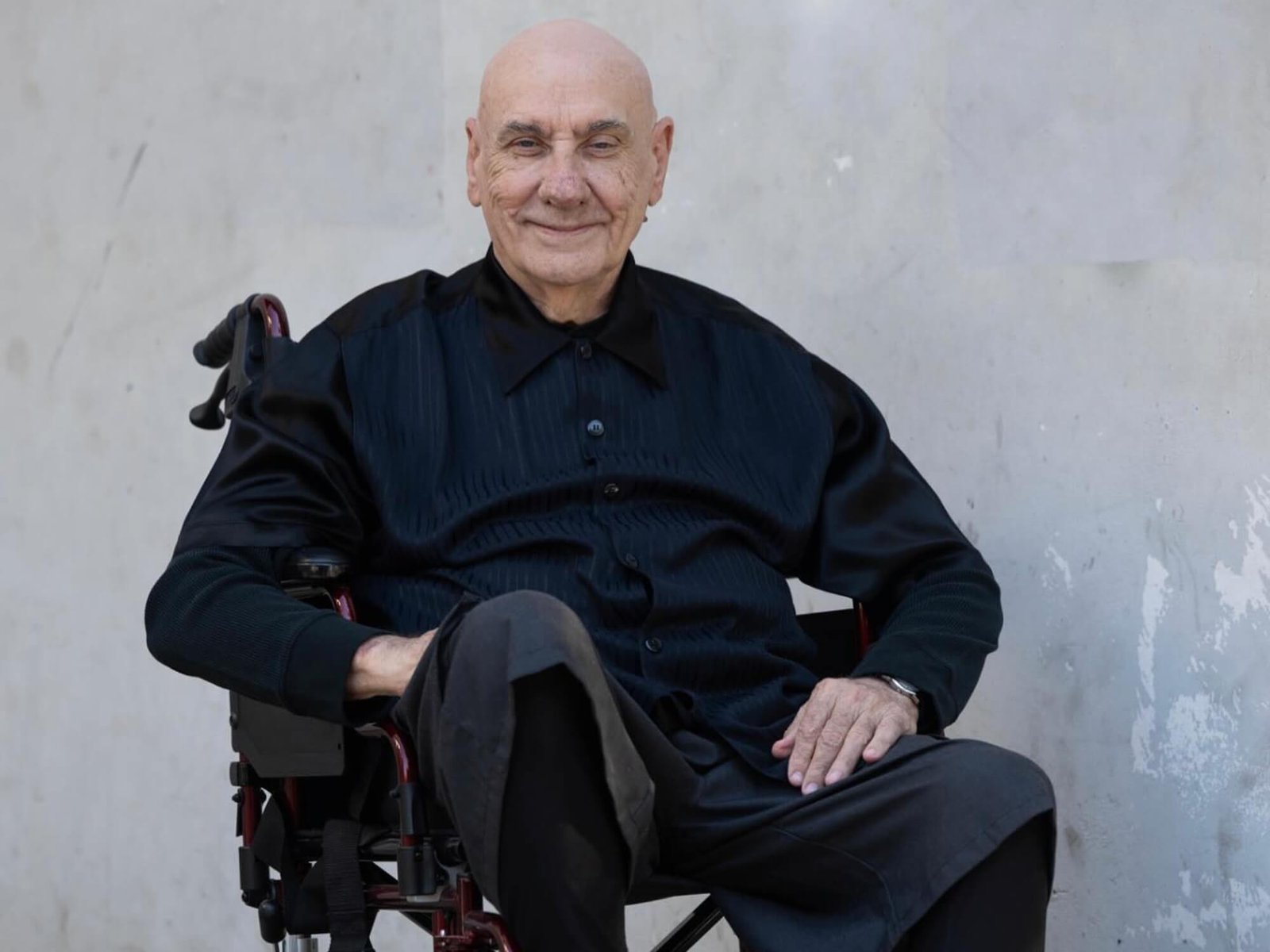
Bill Ward has offered fans a deeply personal update about how he gets around these days, and he did it in the most Bill Ward way possible: with honesty, warmth, and zero self-pity. The 78-year-old Black Sabbath drummer recently revealed that he is now using a wheelchair more often in public, especially at airports and events, but he made it crystal clear that the change does not mean he is sick, retired, or done playing. As he put it, he is “still a drummer” and plans to “keep rocking until I’m dead.”
Ward said he wanted fans to understand the reason behind the wheelchair use rather than draw the wrong conclusion. In his own words, he explained that he now needs the chair more often in public settings, but he stressed that he can still walk short distances and continues to drum. He also said the goal of sharing the update was transparency — not sympathy — because he wants people to know he is still active, still making music, and still very much himself.
That openness carries extra emotional weight because it comes less than a year after the death of Ozzy Osbourne, Ward’s longtime bandmate and one of the closest creative partners of his life. When Ozzy died in July 2025, Ward posted a tribute that was simple and heartbreaking: “Where will I find you now? In the memories, our unspoken embraces, our missed phone calls, no, you’re forever in my heart.”
Ward’s tribute was widely shared by fans and fellow musicians because it captured the strange mix of grief and gratitude that follows the loss of an original bandmate. He and Ozzy, along with Tony Iommi and Geezer Butler, had reunited for Black Sabbath’s Back to the Beginning farewell concert at Villa Park in Birmingham on July 5, 2025, the first time the original lineup had played together live since 2005. The final Sabbath set that night closed with “War Pigs,” “N.I.B.,” “Iron Man,” and “Paranoid,” a final four-song statement that became even more emotional after Ozzy’s death 17 days later.
The timing gives Ward’s wheelchair update a moving second layer. He is not stepping away from music; he is adapting to age while still carrying the weight of Sabbath’s history. That message is especially powerful because Ward has spent decades being one of heavy metal’s most important drummers, and his public statement makes clear that he has no interest in being treated as if he has disappeared just because he now needs a ride in airports or at crowded events.
Ward’s comments also land in the middle of a broader wave of Black Sabbath remembrance. The band’s legacy is being revisited in books, tributes, and fan events, and the first-ever official Black Sabbath book arriving this fall will include the classic lineup of Ozzy Osbourne, Tony Iommi, Geezer Butler, and Bill Ward. That wider attention makes Ward’s words feel less like a health update and more like a reminder that the original Sabbath family is still very much present in the story of heavy metal.
There is something especially moving about Ward’s refusal to turn the update into a farewell speech. He did not frame the wheelchair as an ending. He framed it as a practical part of life now, and then immediately came back to the thing he cares about most: drumming, music, and keeping going. For fans who grew up with Sabbath, that is probably the most comforting message he could have given.