New Study Highlights Elevated ALS Risk Among Former NFL Players Following Chris Johnson’s Diagnosis
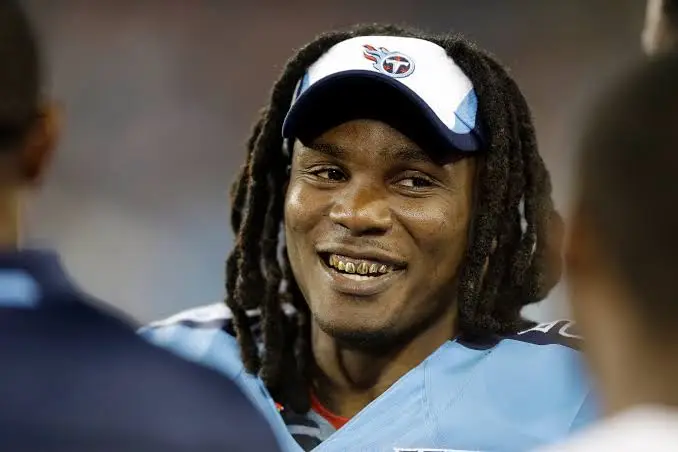
The recent announcement that former NFL running back Chris Johnson has been diagnosed with amyotrophic lateral sclerosis (ALS) has renewed concerns about the long-term neurological risks associated with professional football. New research suggests former NFL players face a significantly higher risk of developing the disease at a younger age than the general population.
According to findings highlighted by the Concussion & CTE Foundation, researchers identified 10 former NFL players who died from ALS before reaching the age of 50 since 1960. Based on population data, statistical models predicted fewer than one such case—approximately 0.24—among nearly 20,000 former NFL players included in the study.
Several of those publicly identified include former San Francisco 49ers linebacker Eric Scoggins, former New England Patriots and Philadelphia Eagles running back Kevin Turner, former Minnesota Vikings defensive back Orlando Thomas, and former Houston Oilers defensive tackle Glenn Montgomery.
Dr. Daniel Daneshvar, one of the study’s co-authors, described the findings as deeply concerning. He said the unusually high number of early ALS deaths among former NFL players strengthens the need to better understand the connection between repeated head impacts and motor neuron diseases. He also called for expanded neurological care for retired athletes and increased investment in research aimed at improving treatment and prevention.
Despite the concerning findings, the study also reported encouraging news. Researchers found that former NFL players generally live longer and healthier lives than the overall U.S. population and are less likely to die by suicide than previously believed.
However, the research also showed that retired NFL players die from neurodegenerative diseases at nearly four times the expected rate. Additionally, players with longer professional careers appeared to face an even greater risk than those who spent fewer years in the league.
The findings add to growing scientific evidence linking repeated head impacts in contact sports to long-term neurological conditions, reinforcing ongoing efforts to improve player safety and expand medical support for retired athletes.