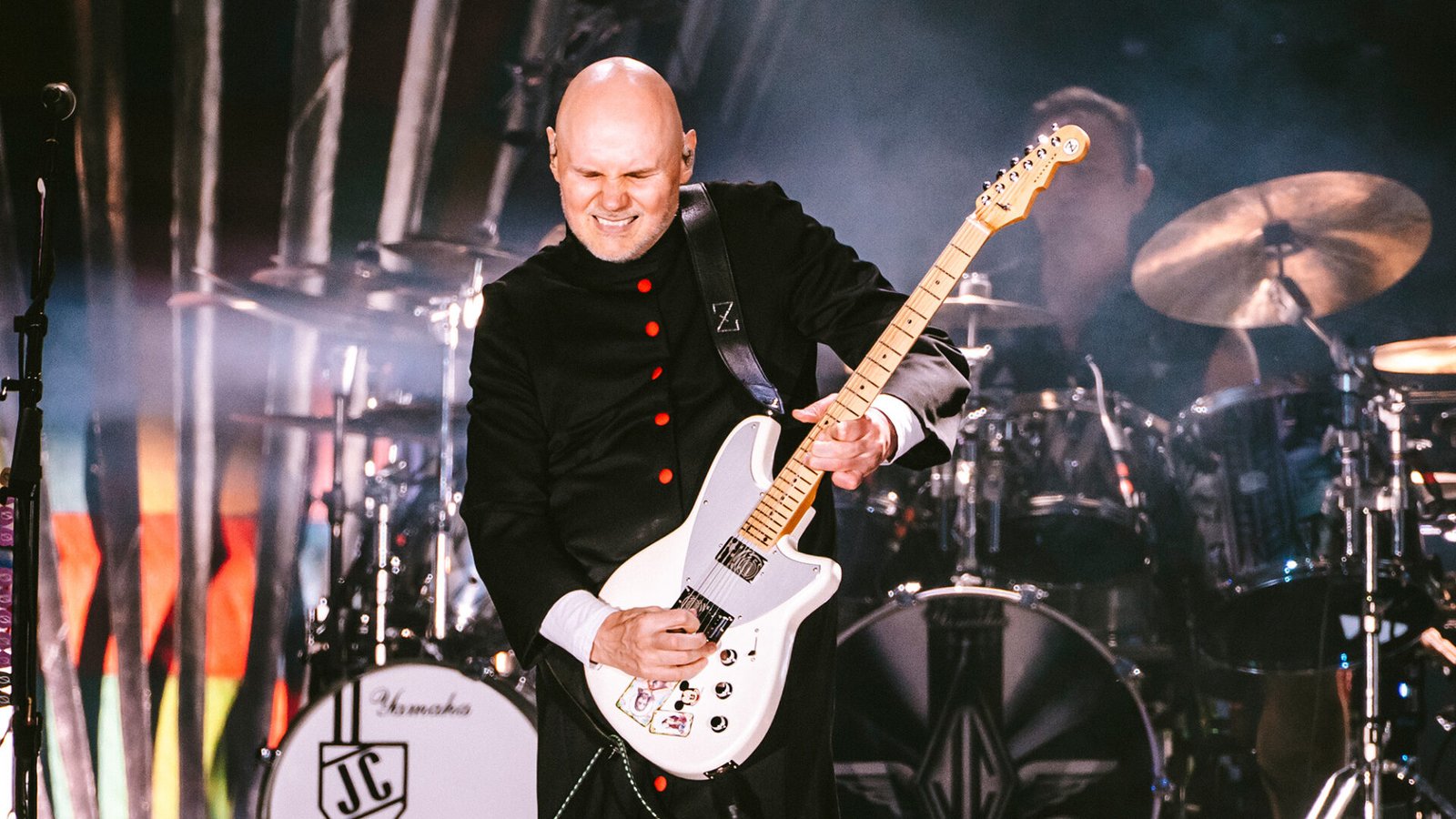
Smashing Pumpkins frontman Billy Corgan has offered a fresh take on his band’s place in rock history, arguing that while grunge was an explosive movement in the early 1990s, his group distinguished itself by evolving beyond the genre’s adolescent angst and embracing a more mature musical palette.
In a recent interview, Corgan explained that when grunge was dominating the charts — led by landmark albums like Nirvana’s Nevermind and Pearl Jam’s Ten — The Smashing Pumpkins were emerging as peers who were just as emotionally raw but sonically broader. Rather than remain tethered to the standard grunge sound, Corgan said, Smashing Pumpkins intentionally expanded their musical language — a move he believes set them apart from other bands labeled grunge.
“We were the first band of our generation that started to grow up,” Corgan said, noting that while grunge exploded into the mainstream, every movement eventually “runs out of gas” and becomes diluted when outsiders try to define it.
Corgan pointed to the band’s 1995 double album Mellon Collie and the Infinite Sadness as the key turning point. According to him, the record intentionally pushed past grunge’s typical themes of teenage frustration and pessimism into more ambitious territory, blending art-rock, layered guitar textures, and orchestral arrangements in ways few peers were attempting.
He also criticized the so-called “gatekeepers” of grunge — people who, he argues, try to dictate what a genre means after it gains commercial success, despite having nothing to do with its creation. In Corgan’s telling, that moment is often when artists either evolve or become trapped in a movement’s shadow.
“Then we were sort of singled out for criticism,” he said, adding that some saw the band’s musical growth as a sell-out rather than a natural artistic evolution.
Despite occasional backlash from purists, Mellon Collie and the Infinite Sadness was a major commercial and critical success — topping the U.S. Billboard charts and proving that the band was far more than a one-note grunge act.
While grunge provided a context for their early rise, Corgan’s creative influences have always stretched beyond Seattle’s muddy guitar tone. The Smashing Pumpkins formed in 1988 and quickly carved their own path by incorporating elements of gothic rock, psychedelia, heavy metal and layered dream pop into their sound.
By refusing to remain stylistically boxed in, the Pumpkins created music that could be both introspective and expansive — qualities that helped them endure as alternative rock evolved through the 1990s and beyond.