
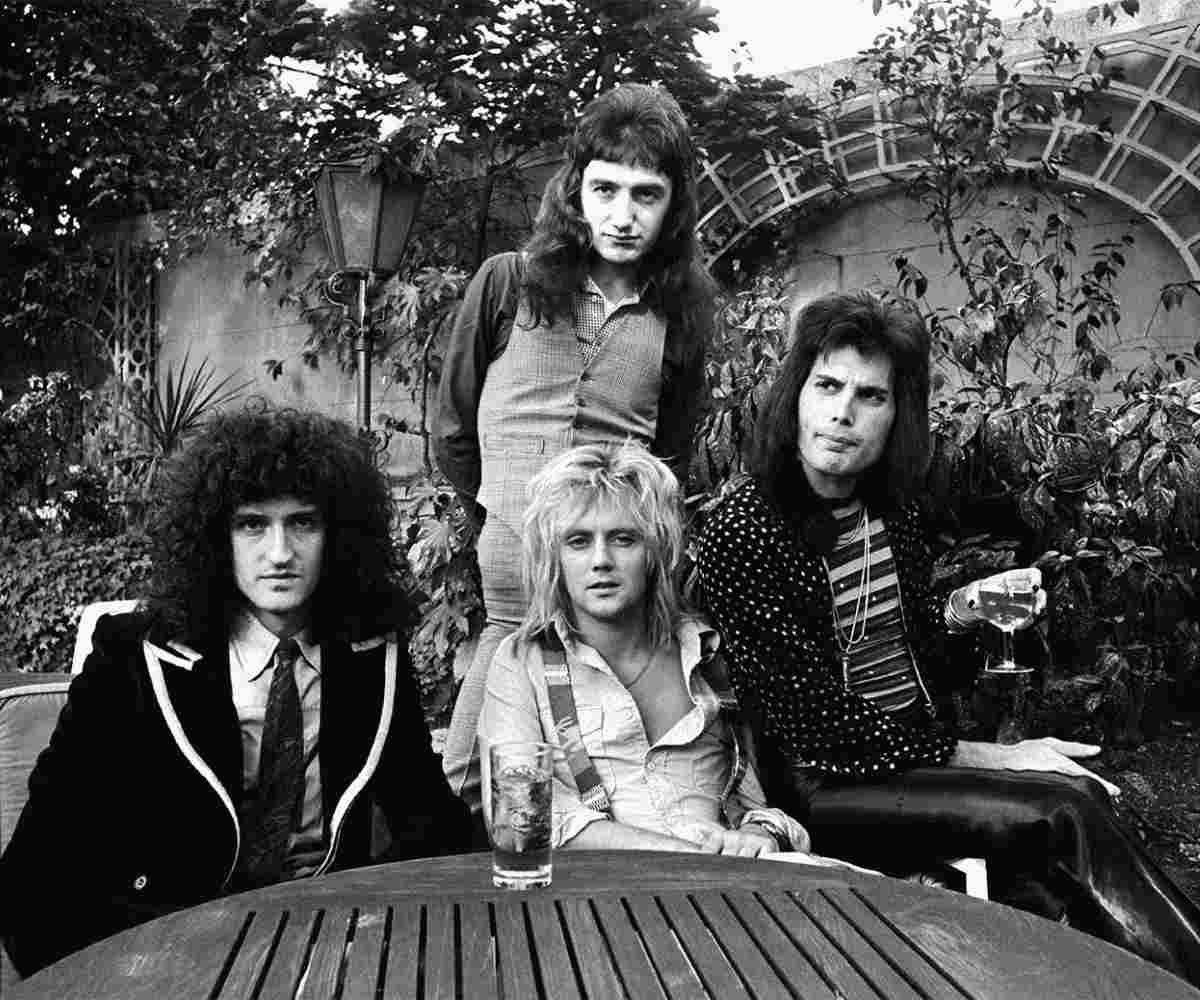
Although Queen’s very first single was “Keep Yourself Alive” in 1973, it did not become a hit and failed to chart when it was first released.
“Seven Seas of Rhye” started out as a bare-bones instrumental sketch on their self-titled debut album, but the band saw potential in the piece. Frontman Freddie Mercury expanded it into a full song with lyrics, with guitarist Brian May contributing additional musical parts.
The title and mystique of “Seven Seas of Rhye” were born from Mercury’s own fantasy world, something he’d referenced imaginatively in a few early songs.
The turning point for the song came in early 1974 when Queen were offered an opportunity to appear on the BBC’s Top of the Pops — a key platform for promoting new singles in the UK. With only a few days’ notice, the band rushed “Seven Seas of Rhye” into release on 22 February 1974.
Instead of fading into radio obscurity like their first single, “Seven Seas of Rhye” entered the UK Singles Chart and eventually peaked at No. 10, becoming Queen’s first hit. The exposure and chart success helped establish the band as a rising force in British rock and convinced Mercury to commit full-time to Queen’s career.
The success of “Seven Seas of Rhye” did more than give Queen their first chart placement — it validated their distinctive approach. At a time when progressive and glam rock were flourishing but often disparate, Queen’s blend of theatricality, musicianship and pop appeal helped set them apart.
By proving they could write and perform a song that charted, Queen gained momentum that would fuel future classics and bigger hits. Their next singles and albums began to build on the foundation laid by “Seven Seas of Rhye.”
Although “Seven Seas of Rhye” was Queen’s first hit in the UK, it wasn’t the last. The band would go on to score deeper commercial success with songs like “Killer Queen” (their first top-five UK hit), “Bohemian Rhapsody” (a multi-week UK No. 1 and global phenomenon), and “Crazy Little Thing Called Love” (their first U.S. No. 1 single) — each carrying forward the inventive spirit first seen in “Seven Seas of Rhye.”