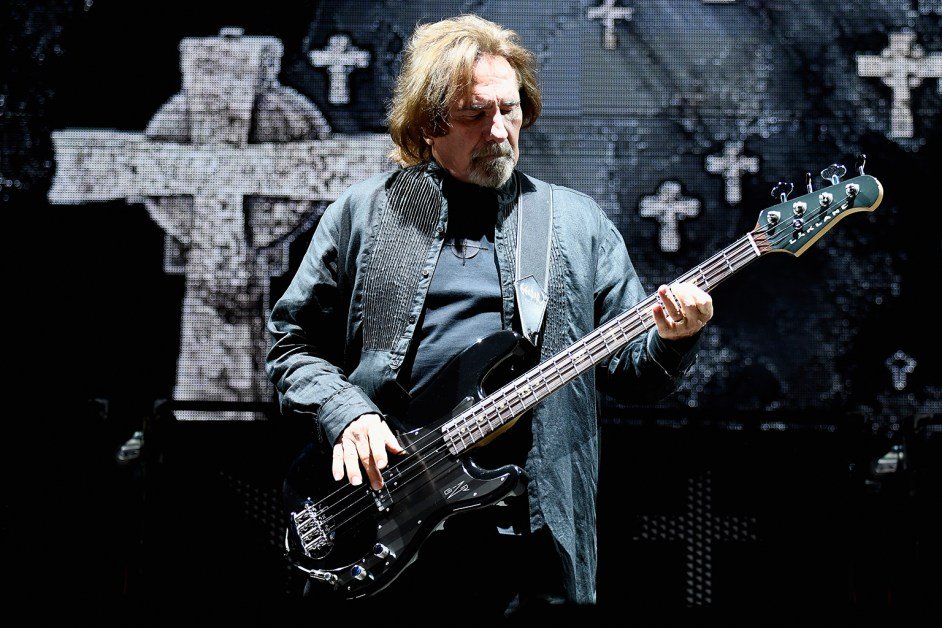
Black Sabbath bassist Geezer Butler recently stirred conversation by taking a candid — and brutally honest — swipe at the iconic album artwork for Paranoid, one of the band’s most influential records. Speaking at a Steel City Con appearance, Butler didn’t mince words, calling the Paranoid cover “the worst cover ever,” a sentiment he still holds decades after the album’s release.
Released in 1970 as Black Sabbath’s second album, Paranoid solidified the band’s standing as pioneers of heavy metal, featuring genre classics like “War Pigs,” “Iron Man” and the title track “Paranoid.” However, despite the album’s massive impact and enduring legacy, Butler has never been shy about criticizing its artwork. Originally intended for a different album title, the cover — a blurred figure wielding what looks like a sword — was rushed together when the record’s name was changed to Paranoid at the last minute.
Butler’s remarks highlight longstanding frustration with how the visual representation failed to match the music’s intensity and artistic vision. In past comments, he explained that the artwork made even less sense after the title changed, observing that the original concept didn’t translate to the final album name.
The Paranoid cover has long been a polarizing topic among fans and critics alike. While the music itself is universally regarded as a cornerstone of heavy metal, the sleeve art often lands on lists of the band’s most criticized visuals. Some listeners over the years have echoed Butler’s views, calling the image mismatched or confusing.
Despite his critique of the artwork, Butler’s legacy with Black Sabbath remains foundational to the genre. As one of the band’s principal songwriters and bassist on some of metal’s most important albums, his influence extends far beyond the look of any single record. Still, his blunt assessment of the Paranoid cover’s quality offers an intriguing behind-the-scenes perspective on how even legendary musicians sometimes look back at their own history with frustration.