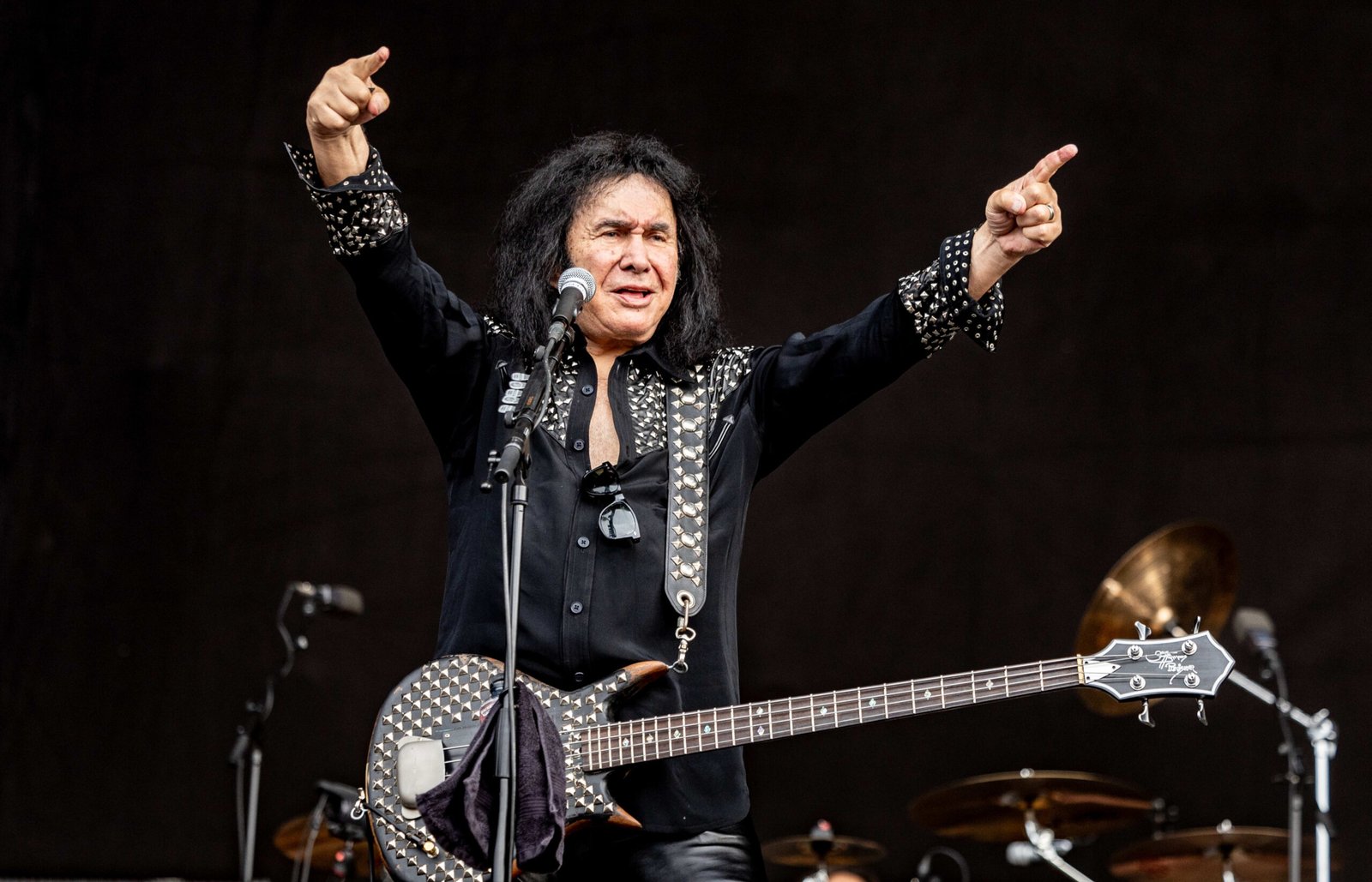
Gene Simmons, the 76-year-old bassist and co-lead vocalist of KISS, has issued a formal public apology after facing widespread criticism for comments he made regarding the death of former bandmate Ace Frehley. Simmons’s earlier remarks, published in a New York Post interview, implied that years of “bad decisions” may have contributed to Frehley’s fatal fall in September 2025. Many fans interpreted the statement as insensitive, especially given the circumstances of Frehley’s passing at age 74. Authorities ruled his death accidental, caused by blunt force trauma after a fall inside his New Jersey home studio.
On December 10, 2025, Simmons posted a heartfelt message on X (formerly Twitter), admitting that his words caused unintended hurt. “On reflection, I was wrong for using the words I used. I humbly apologize,” he wrote. “My hand to God I didn’t intend to hurt Ace or his legacy but upon rereading my words, I see how it hurt everyone. Again, I apologize. I’ve always loved Ace. Always.”
His apology followed mounting backlash from fans, peers and media outlets who felt his earlier comments unfairly painted Frehley as responsible for his own death. Critics emphasized that Frehley had been publicly sober for years, remained active creatively and had maintained his career long after leaving KISS. Simmons’s statements had overshadowed those facts, creating an emotional rift within the fan community.
The incident also unfolded at a high-profile moment for the KISS legacy. The band had just received the 2025 Kennedy Center Honors, renewing public conversations about their tumultuous relationships, long-running conflicts and complicated personal histories. Against that backdrop, Simmons’s apology reads not just as damage control, but as an acknowledgment that carelessness — especially when speaking about someone’s passing — can inflict deeper wounds than intended.
Simmons’s message ultimately highlights the weight of words, particularly between musicians who shared decades, stages and history together. His public remorse marks an attempt to honor Ace Frehley’s legacy without letting a moment of poor phrasing define the memory of a guitarist who shaped generations of rock fans.