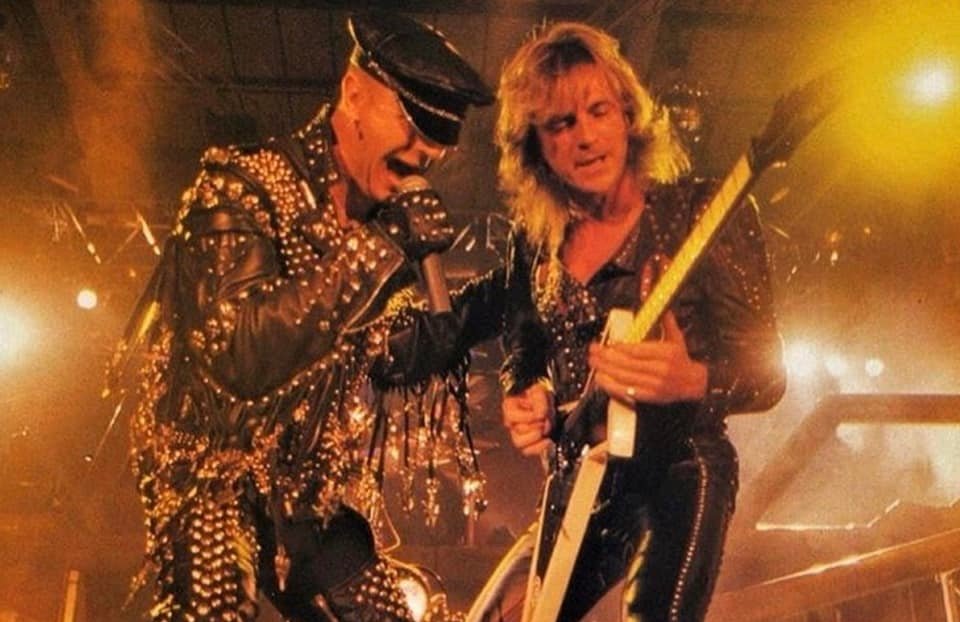
Judas Priest’s Painkiller, released on September 3, 1990, stands as one of the most ferocious and influential albums in heavy metal history. After a series of less-acclaimed ’80s releases, the Birmingham metal titans returned with a relentless blend of speed, power and sheer aggression that not only reinvigorated their own career, but inspired countless bands in the ensuing decades.
A Band Recharged
By the end of the 1980s, Judas Priest had enjoyed major success in the United States, particularly with records like Turbo, but some fans felt the band’s sound had drifted toward synthesized production and commercial rock elements. Painkiller marked a dramatic course correction: heavier, faster, and more extreme than anything they had recorded before.
Key to this shift was the addition of drummer Scott Travis, whose propulsive double-bass work became a cornerstone of the album’s intense sonic identity. The opening title track, propelled by his breakneck drumming and twin guitars from Glenn Tipton and K.K. Downing, announced the band’s new velocity as vocalist Rob Halford delivered what would become one of his defining performances.
The Album’s Sound and Impact
Painkiller is widely celebrated for its raw energy and technical ferocity. The title track alone — six-plus minutes of relentless speed and visceral power — has become a central pillar of the Priest canon, renowned for its elemental metal dynamics and Halford’s staggering vocal range.
Critics and fans often point to the album’s blend of blistering riffs, pounding drums and soaring vocals as Priest’s answer to the rising heaviness of the metal scene at the time. Rather than retreating into nostalgia, the band embraced a faster, more aggressive sound that situated them alongside emerging speed and thrash metal acts — while still retaining their unmistakable identity.
Tracks like “Metal Meltdown,” “All Guns Blazing” and “Night Crawler” maintain the breakneck pace and showcase the band’s technical chops, while songs such as “A Touch of Evil” offer a darker, more atmospheric counterbalance. Even shorter pieces like “Battle Hymn” and epic closers like “One Shot at Glory” contribute to a tightly paced album that rarely lets up.
Reception and Legacy
Although Painkiller didn’t initially outchart its predecessor Ram It Down, critics and fans quickly recognized it as a watershed moment. The album’s heavier sound helped reestablish Judas Priest as innovators in an evolving metal landscape, influencing generations of musicians who followed.
Some commentators have noted that while the lyrics lean into metal tropes — mighty machines, fiery assaults and apocalyptic imagery — the intensity and execution elevate those themes into something iconic. Whether blasting through the title track or head-banging to “Hell Patrol” and “Leather Rebel,” listeners are met with an album that feels purposeful and uncompromising.
The record also marked the end of an era: Painkiller would be the last Judas Priest album with Halford before his departure for solo projects in the early ’90s, giving the record additional historical weight as a climax to his first tenure with the band.
Why It Still Matters
More than three decades after its release, Painkiller endures as a defining metal classic — a record that bridged traditional heavy metal and the more extreme tendencies that were emerging at the start of the 1990s. Its influence is heard in countless bands that followed, and its title track remains a touchstone for fans of metal’s fastest, loudest, most uncompromising sounds.
Whether celebrated for pushing the genre forward or for capturing the spirit of heavy metal at its most unrestrained, Painkiller stands as one of Judas Priest’s most enduring achievements: a metal masterpiece as exhilarating today as it was on the day it first roared out of the speakers.