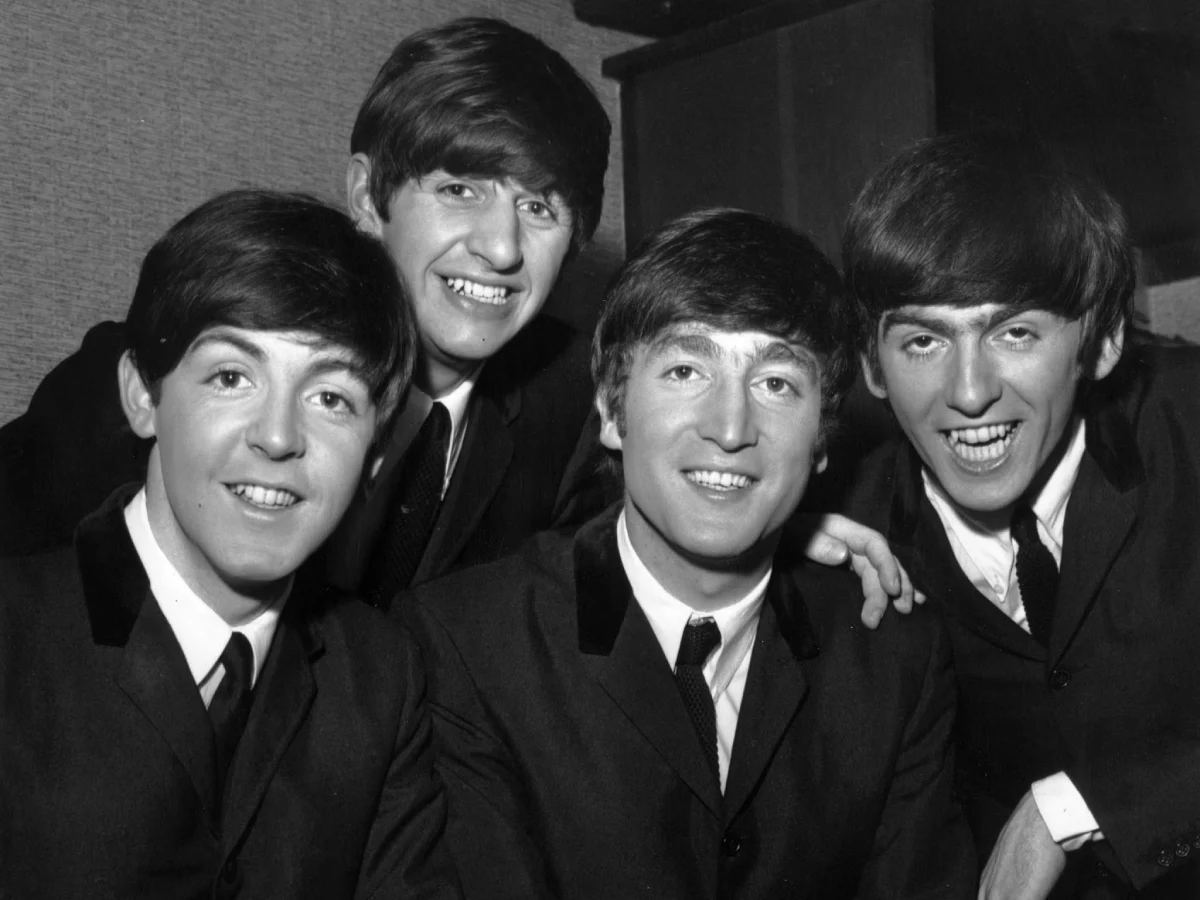
On February 9, 1964, something extraordinary happened on American television. Four mop-topped young men from Liverpool took the stage at CBS Studio 50 in New York City on The Ed Sullivan Show, and the world was never the same.
With a deafening roar from the live audience and an estimated 73 million viewers tuning in — roughly 40 % of the entire U.S. population at the time — the The Beatles made their U.S. TV debut, performing five songs that night.
They kicked off with All My Loving and followed it with Till There Was You and She Loves You in the first half — then closed the show with I Saw Her Standing There and the seismic I Want to Hold Your Hand.
Critics didn’t always get it at first. Newsweek described them as a “nightmare” visually and a “near-disaster” musically, mocking their suits and haircuts. But for millions of viewers, that raw energy and catchy songwriting was irresistible — and the squeals from teenagers immediately proved it.
A Cultural Explosion, Not Just a Performance
That night didn’t just make The Beatles more famous — it helped ignite Beatlemania in America and ushered in the British Invasion of the U.S. pop charts. By April 1964, The Beatles had something no act had done before: all five of the top positions on the Billboard Hot 100 simultaneously.
Prominent future rock stars and musicians have since reflected on how that Sullivan appearance changed their lives. Tom Petty said it was like seeing color for the first time; Joe Walsh admitted it made him drop out of school and memorize every Beatles song; Dee Snider said the moment set him on a path to rock stardom.
Why It Matters Beyond Music
The impact wasn’t just about catchy songs or hairstyles. For many young viewers, it was their first encounter with a band they truly connected with — a moment that helped shift the cultural landscape of the 1960s. Whether inspiring kids to pick up guitars, start bands, or simply believe in their own creative potential, the performance became a pivotal touchstone.
Looking back, the Ed Sullivan debut is remembered not just as a great TV performance, but as the moment rock-and-roll changed direction — when an entire generation saw not just entertainers, but icons forming right in front of their eyes.