Rock and roll was never meant to stay in one lane. While early legends like Chuck Berry and Little Richard laid the foundation, the genre only truly exploded once bands began pushing past its original boundaries. The Beatles redefined its possibilities, Pete Townshend added theatrical ambition, and then Led Zeppelin arrived—bringing with them a sound so powerful, it set a new standard for what rock could be.
From the moment Jimmy Page walked away from The Yardbirds, he had a mission: to go heavier. The blues was in his blood, but he didn’t want to fade into the background like so many others. Instead, he built a supergroup around him—each member capable of taking his ideas further than ever imagined.
While Page’s thunderous riffs were at the forefront, Led Zeppelin wasn’t just a guitarist’s playground. Robert Plant became the ultimate frontman, all wails and wild-eyed energy, while John Bonham pounded out rhythms that shook the earth. But the real secret weapon? John Paul Jones.
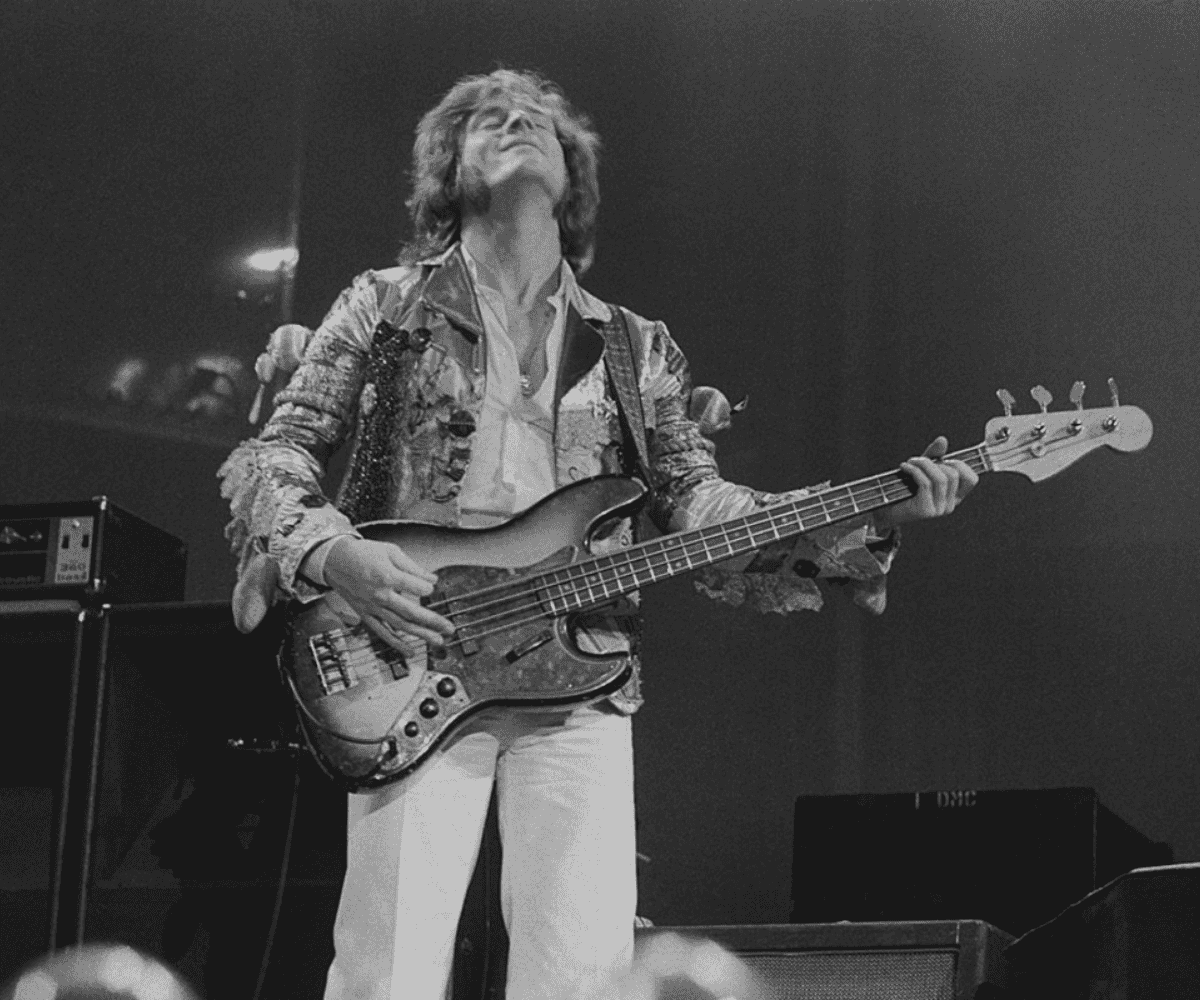
Jones wasn’t just the bassist. A seasoned session musician like Page, he brought a level of versatility that made Zeppelin a shapeshifting beast. Whether anchoring tracks like ‘Black Dog’ with gritty groove or adding lush orchestration to ‘Kashmir,’ Jones had the musical intelligence to turn Page’s ideas into rock epics. His range made Zeppelin more than just a hard rock band—it made them untouchable.
At the same time, another movement was bubbling up: progressive rock. Bands like King Crimson, Yes, and Pink Floyd were crafting sprawling soundscapes that stretched songs to twenty-minute journeys. While Jones respected the ambition, not every prog band made the cut for him—and one, in particular, got under his skin.
That band was Jethro Tull.
“Ian [Anderson] is a pain in the ass,” Jones said bluntly in a 1977 interview. “We toured with Jethro Dull once, and I think he probably spoke three words to Jimmy or me at any one time. His music bores the pants off me, it’s awful.” Page, never one to miss a clever jab, even had a mock album title ready for them: Bore ’Em at the Forum.
While Anderson’s mix of classical and rock had its fans—and Thick as a Brick proved he could dial up the heaviness when needed—Jones clearly wasn’t impressed. Where Zeppelin aimed for primal, transcendent power, Tull leaned into satire and cerebral arrangements. It spoke to a different crowd.
In the end, rock and roll is big enough for both approaches. But when one of Zeppelin’s masterminds calls you boring? That one’s going to sting.