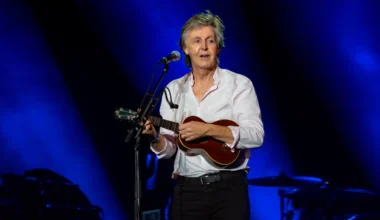

James Hetfield, the longtime frontman of Metallica, has never been shy about sharing his musical influences — but when it comes to the most timeless band he’s ever heard, his answer reveals both respect for rock history and a deep connection to the roots of heavy music.
For Hetfield, that band is Black Sabbath — the Birmingham quartet whose riff-heavy sound laid the foundations for heavy metal long before Metallica existed. Hetfield has said that without their defiant, doom-laden style, there might never have been a Metallica at all, and certainly not the version of the band that went on to become a global force.
Why Black Sabbath Resonates With Hetfield
Hetfield’s admiration for Black Sabbath goes beyond casual influence; it’s personal and deeply fundamental. As a teenager, he pored over the band’s early records, studying guitarist Tony Iommi’s power-chord assault and the weighty atmosphere that defined tracks like “Black Sabbath” and “War Pigs.” Those sounds helped teach him how to shape tone, tension, and mood — lessons he would later apply to Metallica’s own music.
When Metallica co-founder Lars Ulrich inducted Black Sabbath into the Rock & Roll Hall of Fame, Hetfield’s praise was clear: Sabbath were the band that set everything in motion. He said that without their defiant sound, Metallica simply wouldn’t exist — at least not in the same form. Their influence spread through generations of musicians, and their legacy endures precisely because they risked everything sonically and stylistically to forge something new.
Black Sabbath’s impact wasn’t limited to one corner of rock; their influence rippled outward into grunge, alternative rock, stoner metal, and beyond. According to Hetfield, their pioneering spirit — that willingness to experiment with heaviness and mood — is what makes them timeless. They weren’t just another band of their era; they were architects of a genre that continues to evolve decades later.
For Hetfield, timeless doesn’t simply mean old or influential — it means relevant across generations. When he listens to Sabbath, it’s not nostalgia; it’s recognition that their music still feels potent, still sounds bold, and still inspires musicians and fans alike.
That’s exactly the kind of legacy Metallica aims for — rooted in tradition but always moving forward — and it’s a reminder that even metal’s fiercest innovators never forget where their power came from.