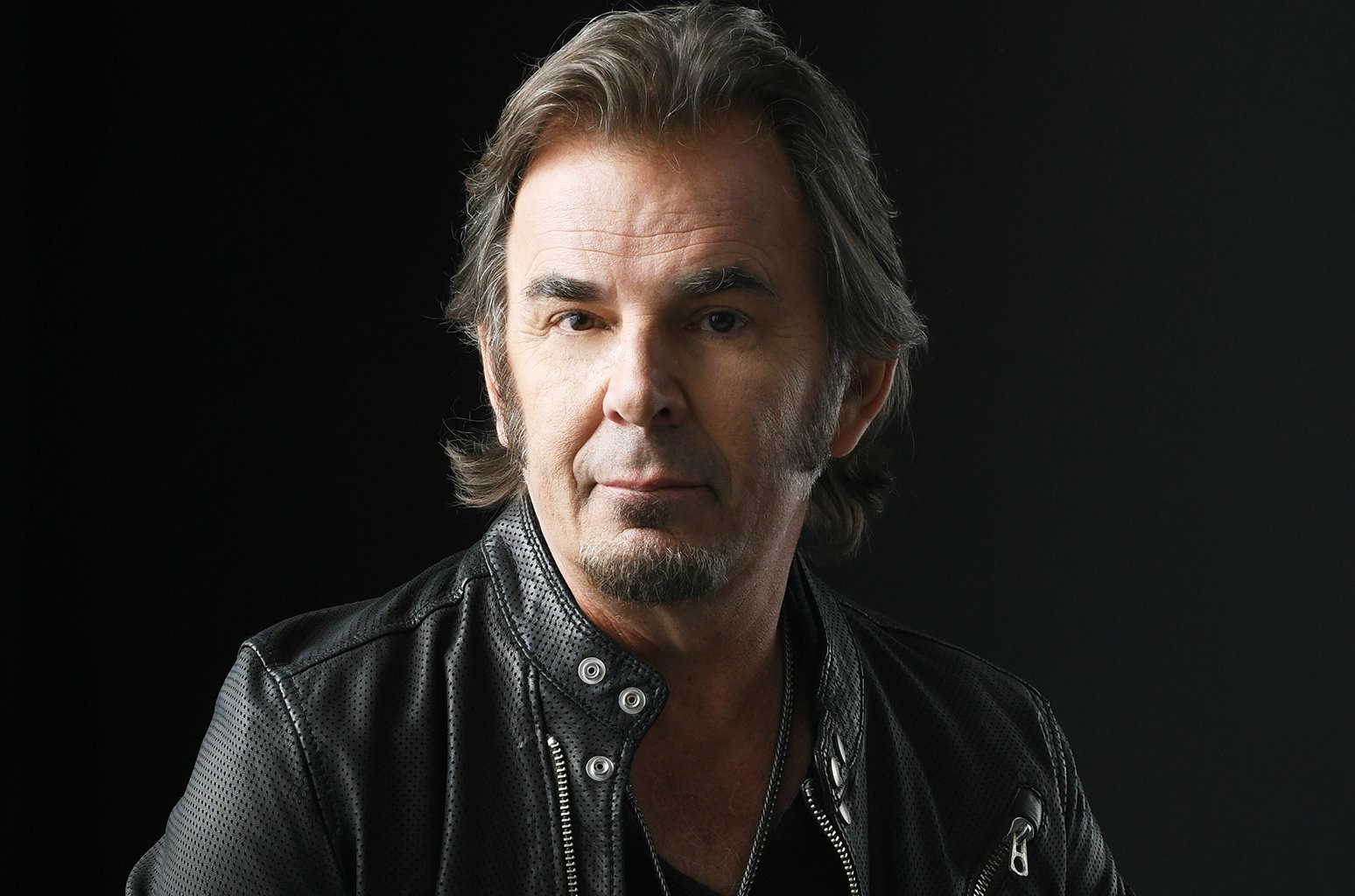
Journey keyboardist Jonathan Cain has stirred fresh controversy by publicly criticizing the NFL’s decision to recruit Bad Bunny for the 2026 Super Bowl halftime show, calling it a move driven more by business interests than cultural celebration. Cain made the comments during an interview on “Bolling!”, a show hosted by Eric Bolling.
Cain suggested the league’s choice was motivated by a desire to attract Latin American viewers, not by artistic or social goals. “I think it’s the NFL just grabbing for Latin America viewers,” he said. “It was brand driven… it had nothing to do with the Latino in America or dissing America or dissing Trump or anything else. I think it was strictly greed.”
Cain was also critical of the content and presentation of Bad Bunny’s show — pointing out that the halftime performance, which was sung largely in Spanish and celebrated Latino heritage, was unlikely to have the lyrics translated for many viewers. “What was interesting is if they would’ve done the translations of what he was singing, we’d be appalled… The stuff he was saying in Spanish the NFL wouldn’t be proud to translate, so that’s why there was no translation because it was very blue,” Cain claimed, adding that he personally did not watch the performance and labeled it “the worst Super Bowl in a long time.”
Bad Bunny — born Benito Antonio Martínez Ocasio — headlined the Apple Music Super Bowl LX Halftime Show on February 8, 2026, at Levi’s Stadium in Santa Clara, California, becoming the first solo Latino artist to headline the halftime show and the first to perform almost entirely in Spanish.
The performance was part of the NFL’s broader strategy to grow its fanbase globally, especially among Latino audiences — a group the league has identified as crucial to future ratings and brand growth. The NFL’s senior VP of global marketing has described the Latino market as a “critical growth area” for the sport, reflecting demographic and economic trends.
The halftime show featured elaborate staging celebrating Latin culture, included guest appearances by Lady Gaga and Ricky Martin, and was broadcast to more than 128 million viewers, making it one of the most-watched halftime shows in history.
Bad Bunny’s role sparked debate long before the actual performance. Some conservative figures, including former President Donald Trump, publicly criticized the NFL’s decision to unilaterally select the artist — Trump called it “absolutely terrible” and a departure from what he saw as “American” standards.
The choice also drew praise from many fans and commentators who saw the performance as a historic moment for representation in mainstream American entertainment, celebrating cultural diversity and Latin heritage on one of the world’s biggest stages.
Artists and NFL leaders themselves have defended the choice. NFL Commissioner Roger Goodell said the league selected Bad Bunny because he is “one of the greatest artists in the world” and understands the platform of the Super Bowl.
Bad Bunny’s halftime show went beyond a standard musical set — visually and thematically it celebrated everyday Latin American culture with dancers and scenes representing everyday life, from domino games to street food. He also used the platform to highlight continental identity by naming countries across the Americas during the performance, a symbolic gesture that connected with many fans across the hemisphere.
The choice of performing almost entirely in Spanish added further fuel to public debate, with critics arguing that it was inappropriate for a quintessentially American sporting event and supporters saying it reflected the changing face of global pop culture and American demographics.
Cain is a devout Christian and musician best known for his work with Journey. He has also released faith-based music and — outside of touring — serves as a worship leader in his church community. Alongside his band, he is currently on the Final Frontier Tour, a farewell tour that launched in February 2026.