Ritchie Blackmore has never been shy about speaking his mind. Whether tearing down trends he couldn’t stand or calling out bands that didn’t meet his standards, the Deep Purple legend has always marched to the beat of his own Stratocaster. But when it came to genuine admiration, there was one name that made him stop cold: Jimi Hendrix.
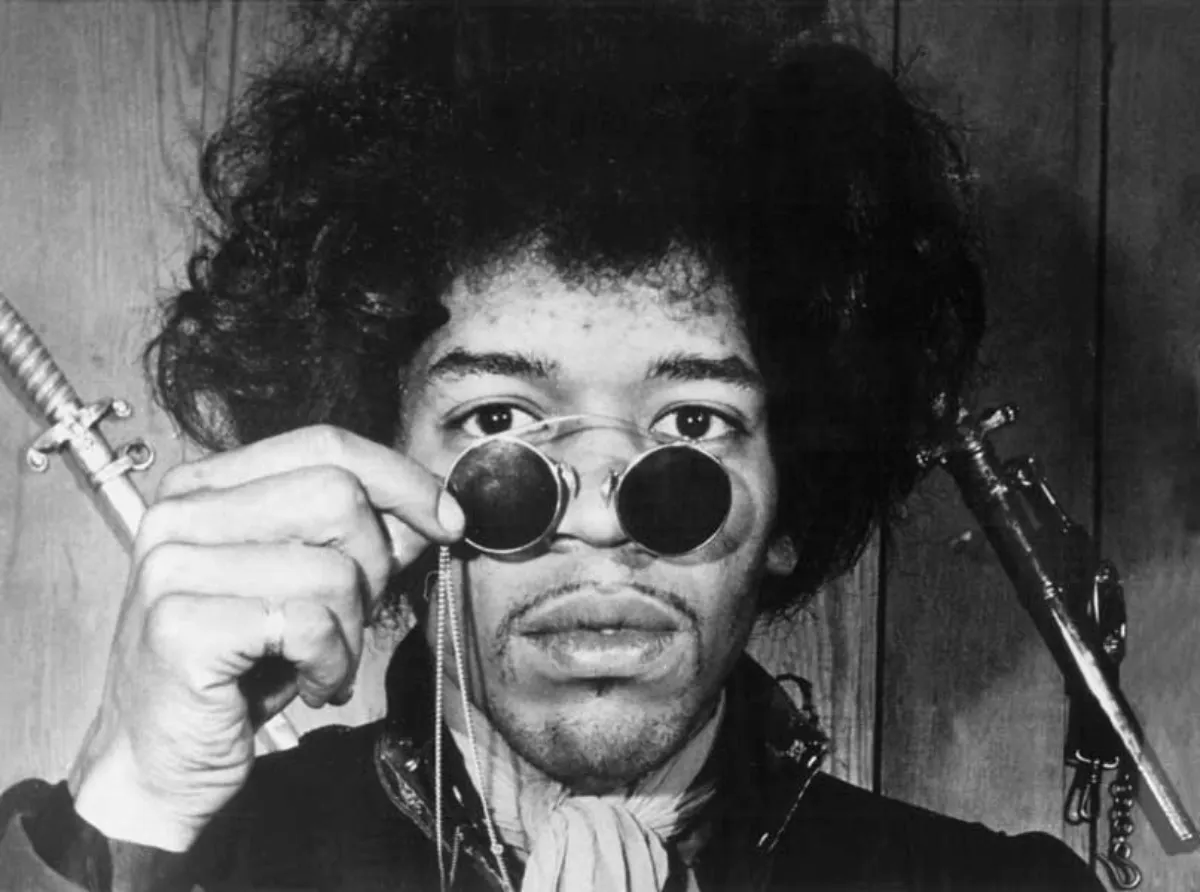
Long before Hendrix set the world ablaze, a $40 plane ticket brought him from the U.S. to London—arguably the most profitable gamble in rock history. While Hendrix had already been turning heads stateside, it was in the UK that he evolved into a full-blown phenomenon. His early London gigs sent shockwaves through the music scene, and within months, the American outsider had become a guitar god.
“He had the music down, he had the composing down, he had the singing down, plus the showmanship,” Blackmore once said, sounding almost awestruck. “So nobody can compete with something like that. I don’t think really anybody can come up to what he could do. Because he could do everything.”
Despite the reverence, the two icons only crossed paths once—at the Whisky a Go Go in Hollywood. “We kind of nodded to each other and that was it,” Blackmore recalled. “He was in the bathroom playing with his hair. I never really got to know him. Yet he certainly set the world on fire.”
Blackmore didn’t need a friendship to feel Hendrix’s impact. His music alone left an imprint on nearly everything Blackmore would go on to do. Songs like “Purple Haze” and “Manic Depression” became sacred texts for the Deep Purple guitarist. “Hendrix came out in 1966, and he was probably 20 years ahead of his time,” Blackmore said. “What makes him a genius is his phrasing and his originality; his construction of songs, his very innovative riffs… but oddly enough, one of the things that I think made him so special was his voice, since he never wanted to be a vocalist.”
That mix of aggression and melody in Hendrix’s playing also helped shape In Rock, the 1970 record that cemented Deep Purple’s heavy legacy. Blackmore was especially taken with Hendrix’s ability to keep his music wild and tuneful at the same time. “Stone Free’s solo is exceptional,” he said. “He always tuned his guitar half a step down, which helped him to have a very strong vibrato, since the strings became looser.”
Even Hendrix’s slower numbers held a special place in Blackmore’s heart. When looking for inspiration, he turned to “Hey Joe,” a track that carried more emotional weight than most guitar anthems. “When I need some stimulation, ‘Hey Joe’ is the one that does it,” he said. “Because I think with Jimi, he loved life, he loved to live and it showed in his playing. I think if there are any comparisons to make, I think he is the Rock ‘n’ Roll Errol Flynn.”
For a guitarist as groundbreaking and exacting as Ritchie Blackmore, admiration doesn’t come easy. But when it came to Hendrix, he didn’t just see a great guitarist—he saw a once-in-a-lifetime force who did everything right. And in his view, no one’s come close since.