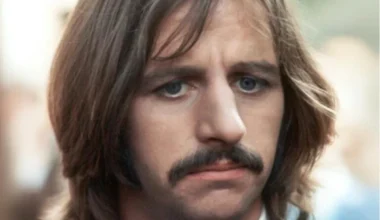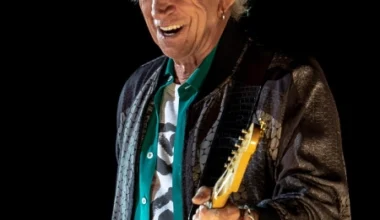

The Osbourne family—Sharon Osbourne, Jack Osbourne and Kelly Osbourne—have publicly condemned Pink Floyd co-founder Roger Waters for remarks he made about Ozzy Osbourne after his passing. According to a recent interview published by Variety, Waters said of Ozzy:
“Ozzy Osbourne, who just died, bless him, in his whatever that state that he was in his whole life. Although he was all over the TV for hundreds of years with his idiocy and nonsense. The music, I have no idea. I couldn’t give a f—.”
Waters continued:
“I don’t care about Black Sabbath. I never did. Have no interest in biting the heads off chickens or whatever they do. I couldn’t care less, you know.”
These comments hit a raw nerve with Ozzy’s family—especially his son Jack, who responded via social media:
“Hey @rogerwaters … F— you. How pathetic and out of touch you’ve become. The only way you seem to get attention these days is by vomiting out bull— in the press. My father always thought you were a c— — thanks for proving him right.”
Kelly also took aim, posting:
“He’s like a sad, irrelevant, old, miserable… a miserable, ugly human being.”
Importance of the family’s reaction lies not only in defending an icon but in highlighting what they view as a broader disrespect toward Ozzy’s legacy and the cultural impact of Black Sabbath. The remarks come in the aftermath of Ozzy’s loyal fanbase and music world mourning his final show and sudden passing.
The incident also reflects underlying tensions among rock veterans. Though Ozzy once praised Pink Floyd’s work, Waters’ repeated dismissals of Black Sabbath have long fueled criticism from metal peers. According to MusicRadar, when Waters previously reviewed Sabbath’s 1970 single “Evil Woman,” he didn’t mince words—earning him wrath from guitarist Tony Iommi, who said he was “really hurt” by his words.
As the controversy spreads across social-media platforms—from X (formerly Twitter) to Instagram—the rock world is watching how this rift might deepen. Will Waters respond further? Will the Osbourne family escalate? For now, the broad takeaway is clear: many believe certain lines of respect should never be crossed—even among icons.