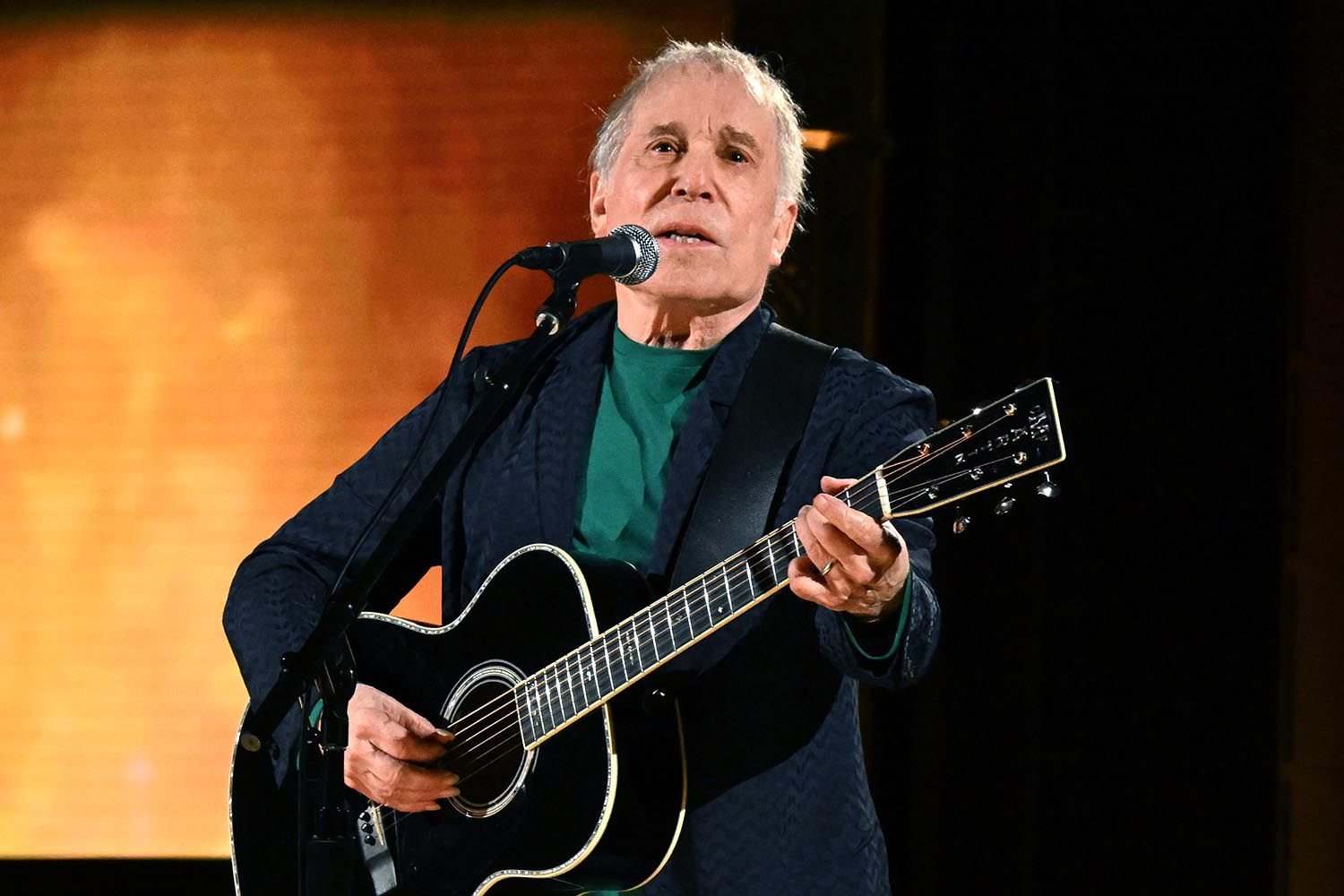
Paul Simon is opening up about his complicated feelings toward Elvis Presley’s career, revealing that while he deeply respected Elvis’ impact on music, there was a certain period where he personally lost interest in what the King was doing artistically.
Speaking during a recent appearance tied to discussions about music history and legendary artists, Simon reflected on how enormous Elvis Presley’s influence was during the early years of rock and roll. Like many musicians of his generation, Simon grew up watching Presley completely reshape popular music and youth culture.
Simon explained that Elvis initially felt revolutionary. He described Presley as someone who changed everything about popular music in the 1950s, especially through the raw energy and excitement of his early recordings. Those first years, according to Simon, carried a kind of danger and electricity that completely captured audiences.
But Simon admitted that his connection to Elvis’ music began fading after a major turning point in Presley’s career. He specifically pointed to the late 1950s as the moment where his enthusiasm started disappearing, saying he personally lost interest after that era.
Even while making that admission, Simon stressed that Presley’s importance to music history remains undeniable. He acknowledged that Elvis permanently altered the course of rock and roll and influenced generations of musicians who followed him. Simon’s comments were less about disrespect and more about how Presley’s artistic direction evolved over time compared to the rebellious image that first made him iconic.
The discussion also reflects a larger debate that has existed among music fans for decades. Many listeners divide Elvis Presley’s career into different eras — the groundbreaking early rockabilly years, the Hollywood movie years, and the later comeback period in Las Vegas. Simon’s comments seem to echo the opinion of some fans who feel Presley’s earliest recordings carried a different energy than his later mainstream success.
At the same time, Simon clearly spoke from the perspective of someone who witnessed Presley’s rise in real time. His remarks carried admiration for what Elvis represented culturally, especially during the period when rock music still felt unpredictable and dangerous to mainstream America.
The comments quickly sparked conversation online because discussions about Elvis Presley’s legacy almost always divide fans. Some listeners strongly defend every phase of Presley’s career, while others believe his artistic peak came during those explosive early years that first changed popular music forever.
What makes Simon’s perspective stand out is that it comes from another legendary songwriter who helped define modern music himself. Rather than simply praising Presley in broad terms, Simon gave a more personal and nuanced answer — one that reflects how even the biggest artists can have complicated relationships with the musicians who inspired them.