KISS’s gentle power ballad “Beth” remains one of the group’s most enduring and unlikely hits — but decades after its release, the story behind its creation continues to spark debate.
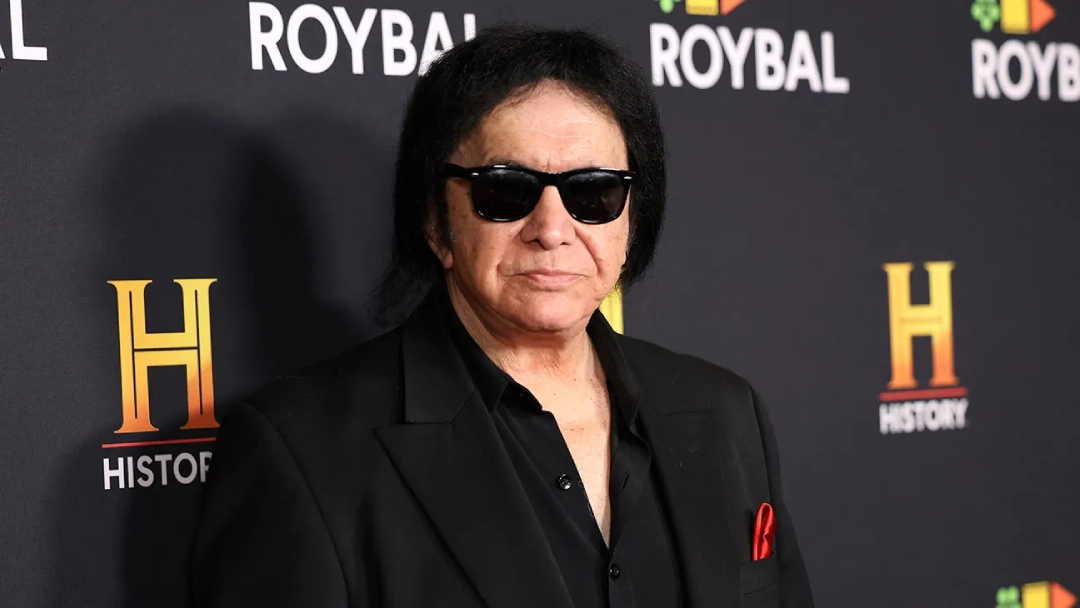
In a new interview with the Professor of Rock podcast, Gene Simmons delivered a frank re-examination of the classic track, claiming that original drummer Peter Criss had “nothing to do with that song” despite being officially credited as a co-writer. Simmons’s comments provide a dramatic twist on one of rock’s most beloved songs, challenging the long-held narrative and stirring fresh discussion among fans.
Originally released in 1976 on KISS’s fourth studio album, Destroyer, “Beth” is a melodic ballad that stands in stark contrast to the band’s typical hard-rock attack. The track was recorded with strings and piano arranged by producer Bob Ezrin and became KISS’s biggest U.S. hit, reaching No. 7 on the Billboard Hot 100.
While the official credits list Peter Criss, Stan Penridge, and Bob Ezrin as writers, Simmons insists the common understanding of who actually crafted the song has long been oversimplified.
Simmons says the song began life as “Beck,” a tune drummer Peter Criss hummed during a limousine ride with bandmates — a fragment that caught Simmons’s ear. According to Simmons, Criss couldn’t explain how to play the song or provide chord changes, and it was brought to producer Bob Ezrin for further development. Simmons also claims it was he who suggested changing the name from “Beck” to “Beth”, a decision he says smoothed the melody and gave the title a more romantic feel.
In Simmons’s telling, the true composer of the core song was Stan Penridge, a former bandmate of Criss’s in the group Chelsea, not Criss himself — with Criss’s name included in the credits through behind-the-scenes agreements rather than actual songwriting input.
Simmons also reiterated his long-held (and controversial) belief that Criss “does not write songs” and that drums, as a percussive instrument, cannot form the basis of copyrightable songwriting — a claim that has reignited debates among fans about authorship and musical contribution.
While Simmons downplays Criss’s compositional role, he gives significant credit to producer Bob Ezrin, whose vision transformed the original idea into the orchestral ballad familiar to millions. Simmons explained that Ezrin recommended arranging the track with piano and strings — inspired in part by classic songs like the Beatles’ “Yesterday” — giving “Beth” its emotional, non-rock instrumentation.
Ezrin himself has previously described how he re-interpreted the tune into a “sensitive, sad ballad” that revealed the emotional weight beneath its rougher beginnings.
Simmons’s latest chapter in the long saga of “Beth” comes amid decades of varying versions and disputes:
Some accounts, including from Criss himself and other band members, have maintained that Criss was involved in shaping the song and that it reflected his personal experiences dealing with life on the road. Others, including filmmakers and commentators, have offered alternate histories, such as the biopic Spinning Gold suggesting the title change was inspired by Casablanca Records executive Neil Bogart’s personal life. Criss once famously refused permission for “Beth” to be included in a later KISS documentary, underscoring ongoing tensions over legacy and control.
The fact that the song’s genesis continues to produce conflicting narratives only adds to its mythic place in rock lore.
Whatever the precise authorship, “Beth” remains a cultural anomaly — a soft, string-backed letter from a rock band known for face paint, fire breath, and high-octane riffs. Its success demonstrated that even the most theatrical hard-rock act could touch mainstream audiences with vulnerability and melody.
More than 45 years later, “Beth” still resonates, a reminder that sometimes the songs least expected can become the most beloved.