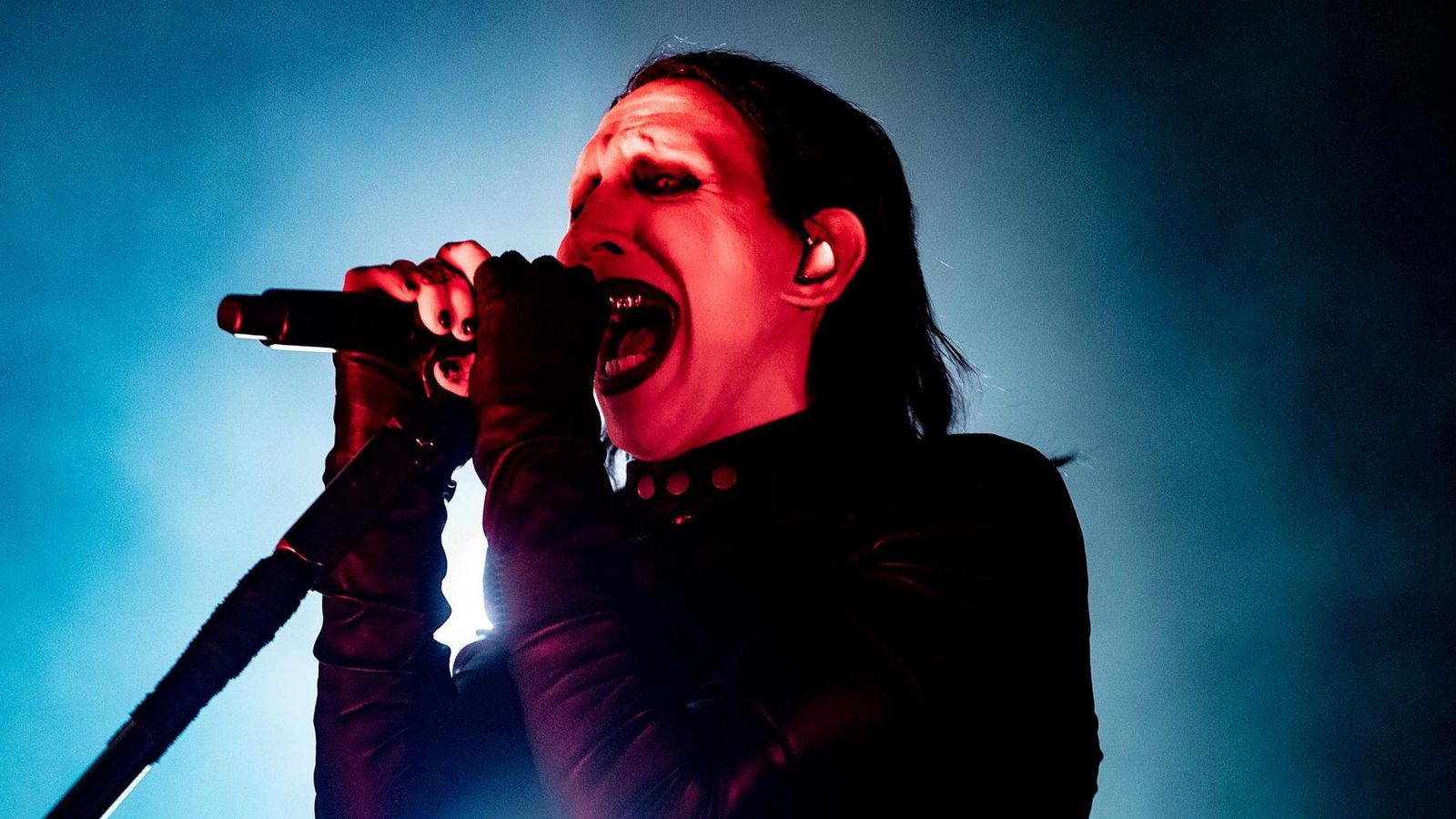
A growing contingent of Rob Zombie supporters have called for a boycott of Marilyn Manson’s upcoming tour in Australia, igniting a social-media-driven controversy centered on perceived disrespect tied to Manson’s recent him/her billing choices.
The dispute began when promotional materials for the tour — which features both Marilyn Manson and Rob Zombie as headliners — displayed Manson’s name before Zombie’s in the lineup and promotional copy. Some fans interpreted this order as a slight against Rob Zombie, arguing that it placed Manson above Zombie in prominence despite Zombie’s significant global profile and long history of headlining major events.
On platforms such as X (formerly Twitter) and dedicated fan forums, users began amplifying the message that they would refuse to attend shows where Rob Zombie was not given top billing — or where Manson was presented as the primary draw. Hashtags such as #BoycottMansonTour and #ZombieFirst began circulating, with critics asserting that the promotional choice failed to adequately recognize Zombie’s influence and legacy in rock and metal.
One widely shared post claimed: “Rob Zombie deserves equal respect. Putting Manson’s name first is disrespectful to his career and fans.” Another fan message framed it as a matter of fairness, stating: “If you love Zombie, stand up for him. Don’t support anything that downgrades his place in rock history.”
For many fans, the order in which artists are listed on promotional materials and ticketing pages carries symbolic weight — signaling who is viewed as the primary headliner and whose brand carries greater commercial emphasis.
Rob Zombie, known for his multifaceted contributions as a musician, filmmaker and cultural figure, has headlined festivals and tours worldwide for decades. To some of his followers, the billing decision for the current tour raised questions about how industry perceptions of artists are communicated to the public.
Others noted that Zombie’s career has always drawn from a unique creative vision, blending horror imagery, industrial grooves and shock-rock sensibilities, and argued that these achievements merited parity in promotional presentation.
As of this writing, neither Rob Zombie nor Marilyn Manson have publicly addressed the boycott calls or commented directly on the billing concerns raised by segments of the fanbase. Representatives for the tour’s producers similarly have not issued a statement clarifying the rationale behind the promotional order.
Some concertgoers, meanwhile, have defended Manson’s position in the lineup, suggesting that billing may reflect logistical or contractual arrangements rather than artistic hierarchy. A post shared on a live-music discussion thread read: “Tour posters don’t always mean anything — sometimes it’s just how the space fits on the poster.”
Marilyn Manson and Rob Zombie share overlapping fan communities and a long history in alternative and industrial rock. Both artists emerged in the 1990s with provocative, visually driven performances and albums that challenged conventions.
Despite these parallels, their careers have followed distinct directions: Manson’s aesthetic has often centered on gothic shock and social provocation, while Zombie has blended horror-film influences with heavy grooves and genre bending.
For some fans, this diversity is part of the appeal that brought both performers together on tour in the first place — but for others, perceived imbalances in how each is presented have overshadowed the music.
The Australian leg of the tour is scheduled to commence in coming weeks, and ticket sales continue despite the boycott calls circulating online. It remains to be seen whether the fan-led campaign will have a measurable impact on attendance or whether supporters will ultimately focus their energy on the performances themselves rather than billing order.
In the meantime, the debate underscores a broader theme in music culture: how recognition, perception and legacy are negotiated between artists, industry platforms, and the fans who advocate loudly on their behalf.