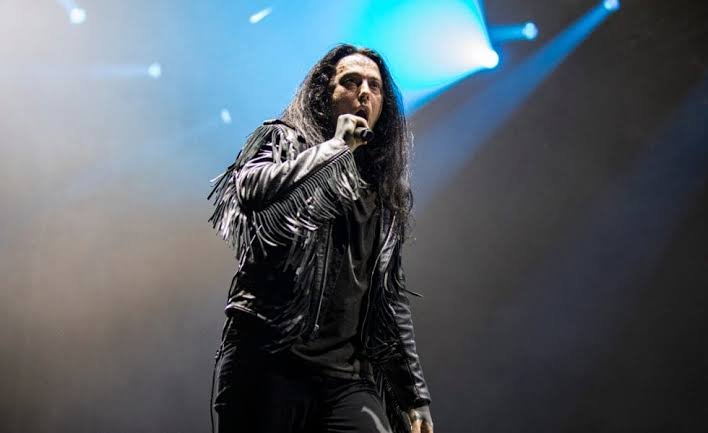
Ronnie Radke has jumped into a fresh bit of rock-media drama after Javier Bardem named Falling in Reverse among the metal bands that helped shape his performance in the upcoming Cape Fear remake. In a recent Kerrang! interview, Bardem said he leaned on music from Linkin Park, Slipknot, Falling in Reverse, and Bad Omens while preparing to play Max Cady, adding that metal is “a way of living” for him.
That should have been a flattering name-check for Radke’s band. Instead, it turned into another argument about how the media handles Falling in Reverse. Radke took issue with outlets that reported on Bardem’s comments but, in his view, left his band out of the story even though Bardem had specifically named them. Rock Celebrities quoted Radke saying, “Purposely leaving my band out of the article when he specifically stated my band,” and added that he called it one more reason he would “never respect these media sites.”
Bardem’s original comments were broader than just a casual fandom flex. He told Kerrang! that he listened to several songs from the bands he mentioned while getting into character, saying those tracks helped channel the frustration and anger he needed for the role. He also said he does not just use metal for work, but listens to it all the time because it is part of his life.
Radke’s reaction fits a long pattern. The Falling in Reverse frontman has built a reputation for treating criticism like a contact sport, and this latest flare-up is less about Bardem personally than about Radke feeling erased by the coverage surrounding him. In Radke’s eyes, if an Oscar-winning actor publicly mentions Falling in Reverse, the band deserves to be named in the headline, not edited out of the conversation.
The bigger irony is that Bardem’s praise should have been a rare win for Radke at a time when Falling in Reverse continue to sit in the middle of rock’s culture-war crossfire. Bardem was not condemning the band; he was using it as fuel for a dark, intense performance. But because Radke is so often part of controversy anyway, the story quickly shifted from admiration to grievance.
So the takeaway is not just that Bardem likes Falling in Reverse. It is that Radke saw a straightforward compliment get filtered through another layer of media irritation, and he used that to punch back at outlets he already distrusts. In other words, the quote may have started as a metal endorsement, but Radke turned it into a familiar fight over recognition, coverage, and who gets to control the narrative.