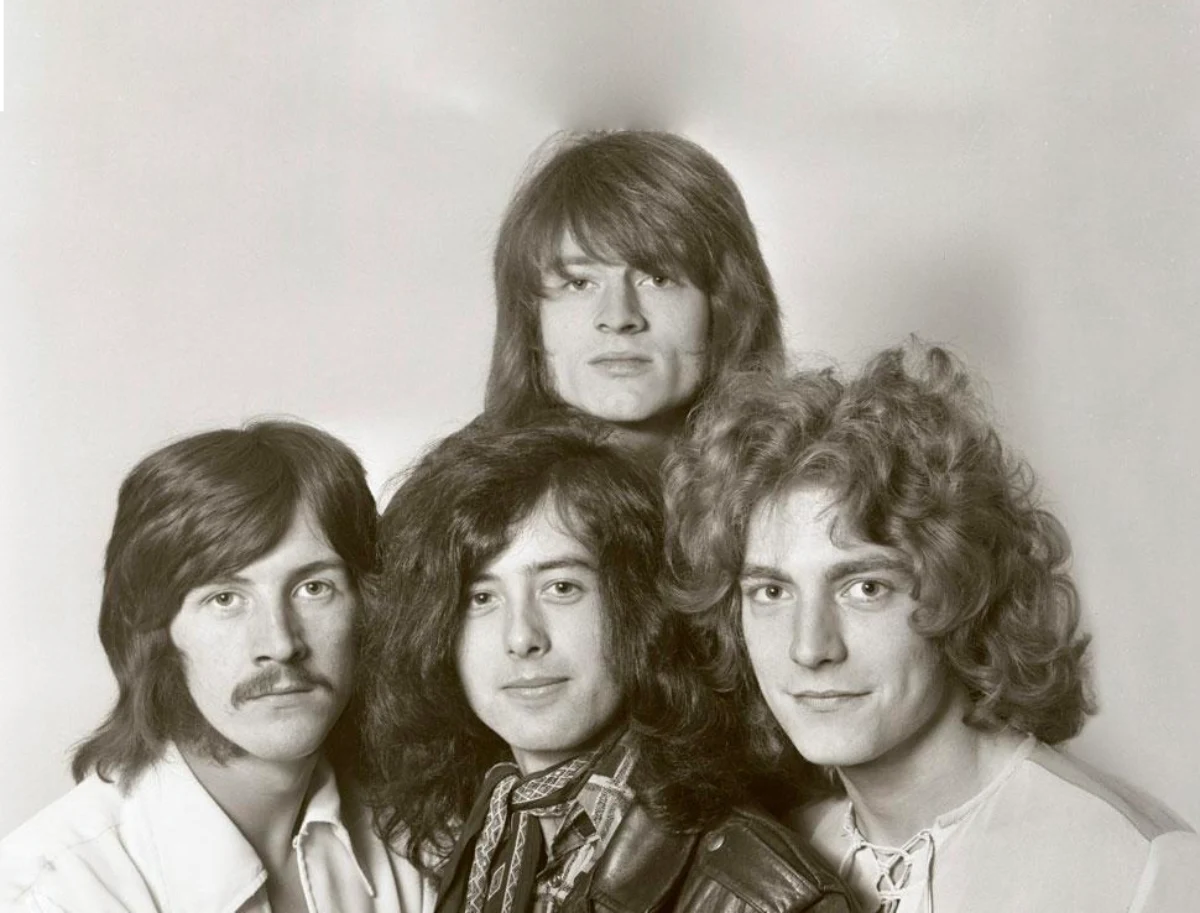
Sometimes, history is born out of necessity. In 1968, Jimmy Page wasn’t trying to change the world—he was just trying to finish a tour. After the collapse of The Yardbirds, he quickly assembled a new band to fulfill a few lingering commitments. They were called The New Yardbirds. The mission? Finish the gigs. But from that simple act of obligation came a thunderclap: Led Zeppelin.
Page had lofty dreams. A renowned session guitarist, he wanted to build a rock supergroup featuring Jeff Beck, Keith Moon, and John Entwistle. But the stars didn’t align that way. Instead, he found two rising, lesser-known musicians—drummer John Bonham and bassist John Paul Jones—who brought just as much power and precision. All that remained was a voice.
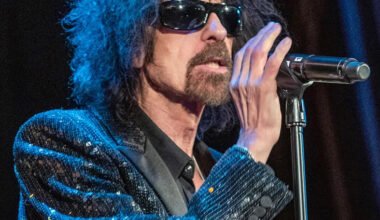
Enter Robert Plant—on a recommendation from singer Terry Reid, who couldn’t take the gig himself. Page met Plant, and something instantly clicked. “Why hasn’t this guy made it already?” Page wondered. Plant brought fire, soul, and mystique. When Bonham followed close behind, the final piece fell into place.
They fulfilled the tour under their temporary name, but soon hit the studio—on Page’s own dime, without record label interference. That independence gave them full creative freedom, and in 1969, they dropped their self-titled debut: Led Zeppelin. It was a sonic bombshell. The world had never heard anything like it. Overnight, they weren’t just a band—they were a force.
Through the ’70s, Zeppelin redefined rock. Page’s riffs. Plant’s voice. Bonham’s thunder. Jones’ subtle genius. Albums like Led Zeppelin IV, Physical Graffiti, and Houses of the Holy didn’t just sell records—they rewrote the rules.
But in 1980, everything stopped. Bonham tragically died. Without him, the others knew: Zeppelin couldn’t continue. He wasn’t just their drummer—he was the engine. The soul. Without Bonzo, there was no Zeppelin.
Over the decades, reunions came and went. First, a one-off project called The Honeydrippers with Plant and Page. Then, partial reunions in 1985 and 1988, even bringing in Bonham’s son Jason. But something always felt…off. Disconnected.
In 2007, they got it right. Jason Bonham took his father’s place on drums, and Zeppelin returned—fully and fiercely—for a single show: Celebration Day at London’s O2 Arena. It was breathtaking. Powerful. A real farewell. What no one knew then: it would be their last performance together.
Hopes for a tour surged afterward. Page was eager. Jones was ready. Even Jason was onboard. But Plant? He hesitated. He was committed to solo projects and remained elusive. Page’s patience wore thin.
“I don’t sing, so I can’t do much about it,” he admitted, frustrated by Plant’s mixed signals.
Plant, in turn, was hurt. “I told them I’d come around eventually. But Jimmy used that against me.”
The reunion never happened. Celebration Day remains the final word on Led Zeppelin’s legacy—a single night when the old gods returned, one last time.