
Long before Bruce Springsteen became known as The Boss — the storyteller, the showman, and one of rock’s most enduring voices — he was a young musician trying to find his place in the world of rock and roll. For Springsteen, the guitar was far more than a prop; it became a means to express his rawest emotions and to shape his musical identity. But what truly pushed him from rhythm player to aspiring lead guitarist wasn’t a lesson from a teacher or a workshop — it was a single song that struck him with enough force to change his course.
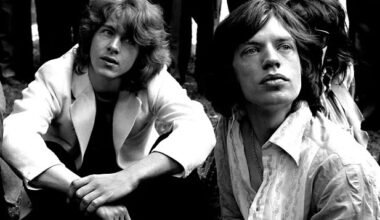
That song was The Rolling Stones’ cover of “It’s All Over Now” — originally recorded by The Valentinos in 1964 and picked up by the Stones in their early years, showcasing their tight band dynamic and youthful energy. At one point Springsteen said the track “held a special place” for him, not just as a catchy record but as a catalyst for his own guitar ambitions.
The story began during a difficult moment in his early musical life. Springsteen had just been thrown out of his first band, a setback that left him both frustrated and determined. Instead of giving up, he went home that night and put on the Stones’ version of “It’s All Over Now.” He later recalled that he was “pissed off” and decided then and there, “All right — I’m going to be a lead guitar player.”
What followed was a classic rite of passage for a young musician: Springsteen listened to the song repeatedly, focusing on the guitar solo, and sat there all night until he could reproduce it well enough. He described that first solo as something he “might be able to manage” and worked tirelessly until he could play a “relatively decent version” of what Keith Richards had performed. That became the first guitar solo he ever learned, a milestone that ignited his deeper commitment to the instrument.
Although Springsteen would ultimately become more celebrated for his songwriting and emotionally direct lyrics than flashy guitar theatrics, this moment marked a turning point. It proved to him that he could master lead guitar parts and that hard work and persistence could unlock the sounds he admired. It was an early lesson that would shape his approach to playing — always rooted in feeling and purpose for the song, not mere technical showmanship.
The influence of that single song also reflects his broader musical sensibilities. Springsteen’s guitar style has often been described as “feel first” — he isn’t a virtuosic soloist in the traditional sense, but one who uses every note to support a larger story. As he once sang on “Thunder Road,” “I’ve got this guitar, and I learned how to make it talk.”
That night with “It’s All Over Now” and the decision to learn the solo became a defining chapter in the evolution of Bruce Springsteen — one that steered him away from being just another rhythm player and toward the musical voice he would become, blending guitar, storytelling, and unvarnished emotional expression into a singular rock and roll legacy.