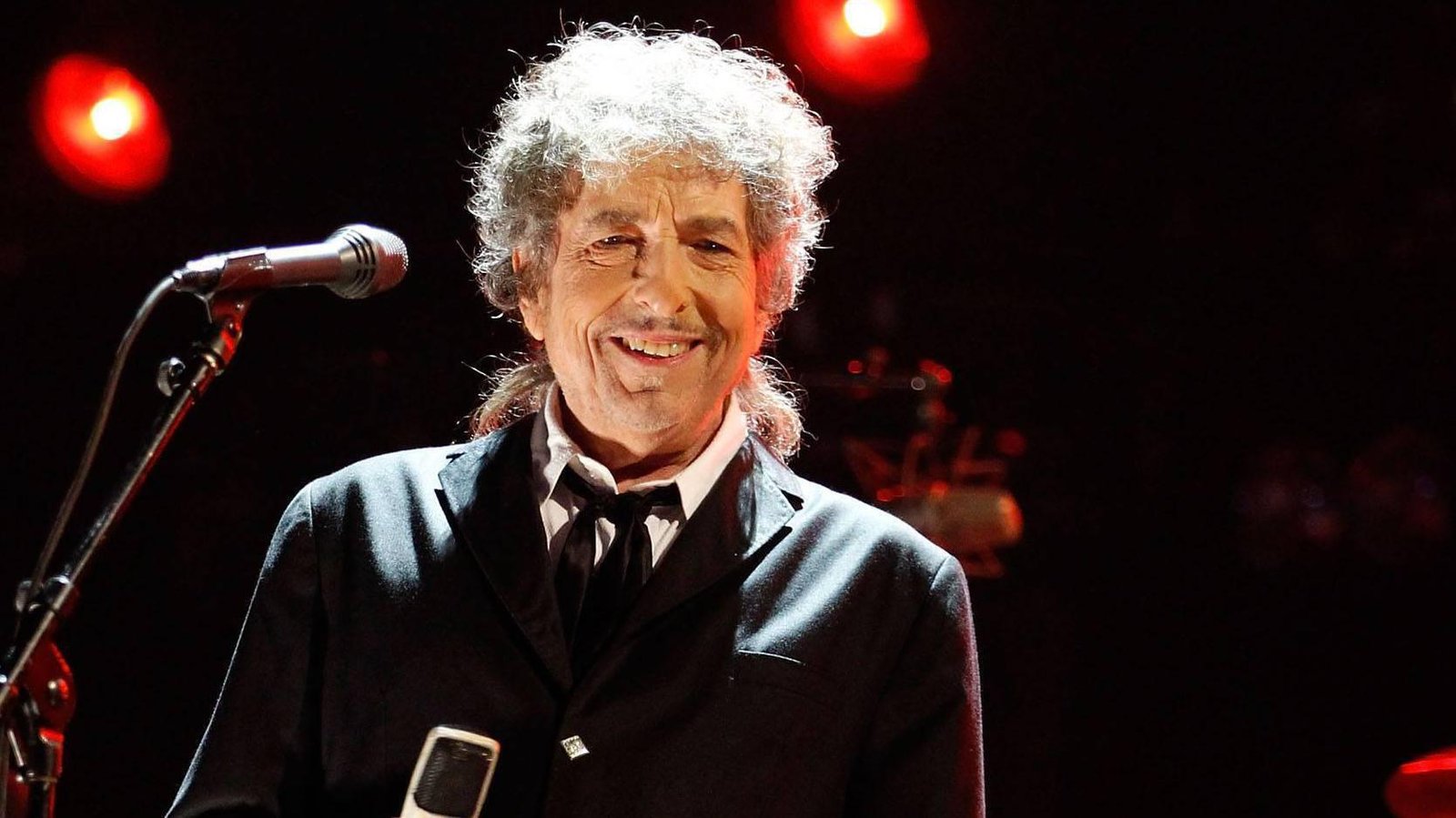
Bob Dylan has always been one of the most studied and enigmatic figures in modern music — a writer whose work invites endless interpretation but whose own thoughts remain elusive. Even so, Dylan once spoke with rare admiration about a fellow artist he felt few people truly got in his own time: avant-garde jazz innovator Ornette Coleman.
Dylan acknowledged that the broader listening public struggled to appreciate Coleman’s work, explaining that his music was “so new, so groundbreaking, they didn’t understand it.” To Dylan, the criticism Coleman faced — for pushing harmonic boundaries and defying jazz conventions — wasn’t entirely unlike the backlash he encountered as a young folk-rock artist experimenting with his own voice and sound.
Mystique and Misunderstanding in Music
Throughout his long career, Dylan himself became associated with a sense of mystery that made his music feel both universal and impossible to fully pin down. Whether crafting poetic lyrics or shifting between folk, rock, country and blues, Dylan’s output was never straightforward. His refusal to explain his songs’ meanings directly only added to that mystique — and to his belief that audiences would remember how they felt when they heard the music, not necessarily every explanation behind it.
In comparing Coleman’s reception to his own, Dylan highlighted a broader truth about innovative art: audiences often react first with confusion or resistance before eventually recognizing depth or significance. It’s an idea that aligns with how Dylan himself evolved from folk scene outsider to Nobel Prize-winning cultural icon — someone whose work, like Coleman’s, took time to be fully appreciated.
Jazz Influence on Dylan’s Approach
While Dylan never adopted jazz’s complex chord structures, his lyrical improvisation and fluid phrasing have often drawn parallels to jazz’s free-form expression. His willingness to let words and ideas shift in real time — both in the studio and onstage — parallels the spontaneity jazz musicians bring to their solos, suggesting a deeper connection between his musical philosophy and the genre.
For Dylan, Coleman represented the kind of boundary-breaking spirit that all artists risk chasing — and, in the process, often misunderstanding from the outside. The fact that he defended Coleman’s vision offers rare insight into how Dylan saw himself and his peers: not just creators of music, but explorers of sound and expression that challenge listeners to expand their expectations.