As Super Bowl 60 approaches on February 8, 2026, at Levi’s Stadium in Santa Clara, California, President Donald Trump has confirmed he will not attend the NFL’s marquee event — and he’s turned that decision into a pointed public critique of this year’s musical lineup. In a January 24 interview with the New York Post, Trump made clear that his absence is tied not just to logistics but to strong disapproval of the performers chosen for one of America’s most-watched entertainment stages.
Trump, 79, told the Post that the Super Bowl is simply “too far away” to make the trip from Washington, D.C., but he also used the opportunity to express deep personal opposition to Bad Bunny and Green Day — the artists slated for this year’s halftime show and opening performance, respectively. “I’m anti-them,” Trump said bluntly. “I think it’s a terrible choice. All it does is sow hatred. Terrible.”
What Trump Said
In his remarks, Trump combined logistical reasoning with sharply worded criticism:
- He emphasized the difficulty of traveling to the West Coast, saying the distance to Levi’s Stadium is the main reason he won’t attend, even though he would have considered going if the trip were shorter.
- Despite insisting his absence isn’t because of the performers, he made his feelings about them abundantly clear, describing the choice of Bad Bunny and Green Day as “a terrible choice” that “sows hatred,” and declaring he is “anti-them.”
Trump’s comments follow a pattern of cultural friction involving the NFL’s entertainment decisions. Last year, he became the first sitting U.S. president to attend a Super Bowl (Super Bowl LIX in New Orleans), where he received support from fans. His decision to skip this year’s game — combined with his vocal criticism of the musical acts — adds a new flashpoint to the ongoing debate over politics, entertainment and national events.
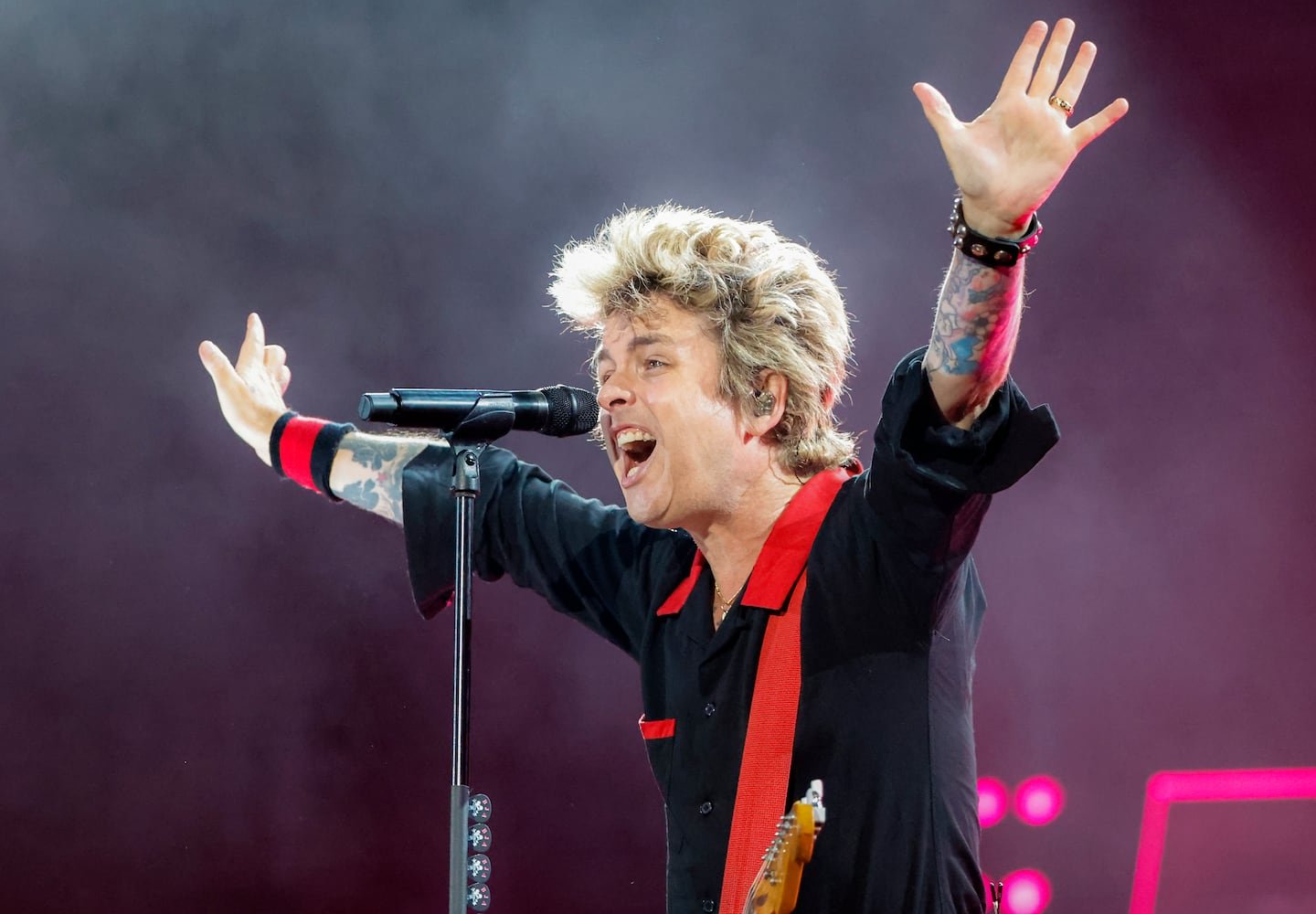
Green Day are set to perform during the Super Bowl 60 pregame festivities. The punk-influenced band has a long history of political commentary, including American Idiot, a song and album that became emblematic of criticism toward the Bush and later Trump administrations. Frontman Billie Joe Armstrong has repeatedly used the band’s platform to voice political opinions, including modifying lyrics in live performances to oppose Trump’s policies.
Bad Bunny — born Benito Antonio Martínez Ocasio — is the headline act for the halftime show. The Puerto Rican superstar was Spotify’s most-streamed artist of 2025 and has used his music and public platform to address social issues, including immigration and cultural identity. In 2025, Bad Bunny chose not to bring his record-breaking world tour to the continental U.S., citing concerns over deportation enforcement and ICE presence. Trump’s own Homeland Security Secretary Kristi Noem later said ICE agents would be present at Super Bowl 60, intensifying the cultural conversation around the event.
After Bad Bunny’s selection was announced in late 2025, the artist framed his Super Bowl appearance as a tribute to culture, community and history, emphasizing pride in his roots and in representing Latino audiences on one of the world’s largest stages.
Trump’s remarks have fed into broader cultural debates about the role of politics and entertainment. By publicly disparaging globally popular artists — including a Latin music superstar and a punk rock band known for anti-establishment messaging — he has intensified discussions around whether the Super Bowl halftime show should be an apolitical celebration or a platform for cultural expression.
Some conservative commentators have echoed Trump’s criticism, arguing that the musical lineup is out of step with “traditional American values” and inappropriate for one of the nation’s premier sporting events. Others view the backlash as an example of political polarization infiltrating entertainment and sports.
Meanwhile, social media reactions — including on Reddit and fan forums — have ranged from mocking Trump’s stance to praising the performers’ cultural significance, illustrating the deep divide in how the public interprets both the NFL’s entertainment choices and presidential commentary.
Super Bowl 60 — scheduled for February 8, 2026 — is shaping up to be a major cultural moment beyond the game itself. In addition to Bad Bunny and Green Day, the event includes performances by high-profile artists and is expected to draw more than 100 million domestic viewers and tens of millions internationally. The game — between the Seattle Seahawks and New England Patriots — also reflects shifting NFC dynamics, with commentators noting the Seahawks’ rise and the challenge they present to traditional powerhouses.
The NFL has publicly stood by its entertainment lineup, with Commissioner Roger Goodell previously affirming confidence in the artists selected and stressing the league’s commitment to delivering a show that resonates globally.
As the countdown continues toward February 8, Trump’s decision not to attend — and his sharp public critique — is expected to keep the cultural conversation around the Super Bowl alive in both political and entertainment circles. Whether the president’s stance influences fan perception, media coverage or future NFL entertainment decisions remains to be seen, but his comments have already added another layer of controversy to what is traditionally one of America’s most unifying televised events.