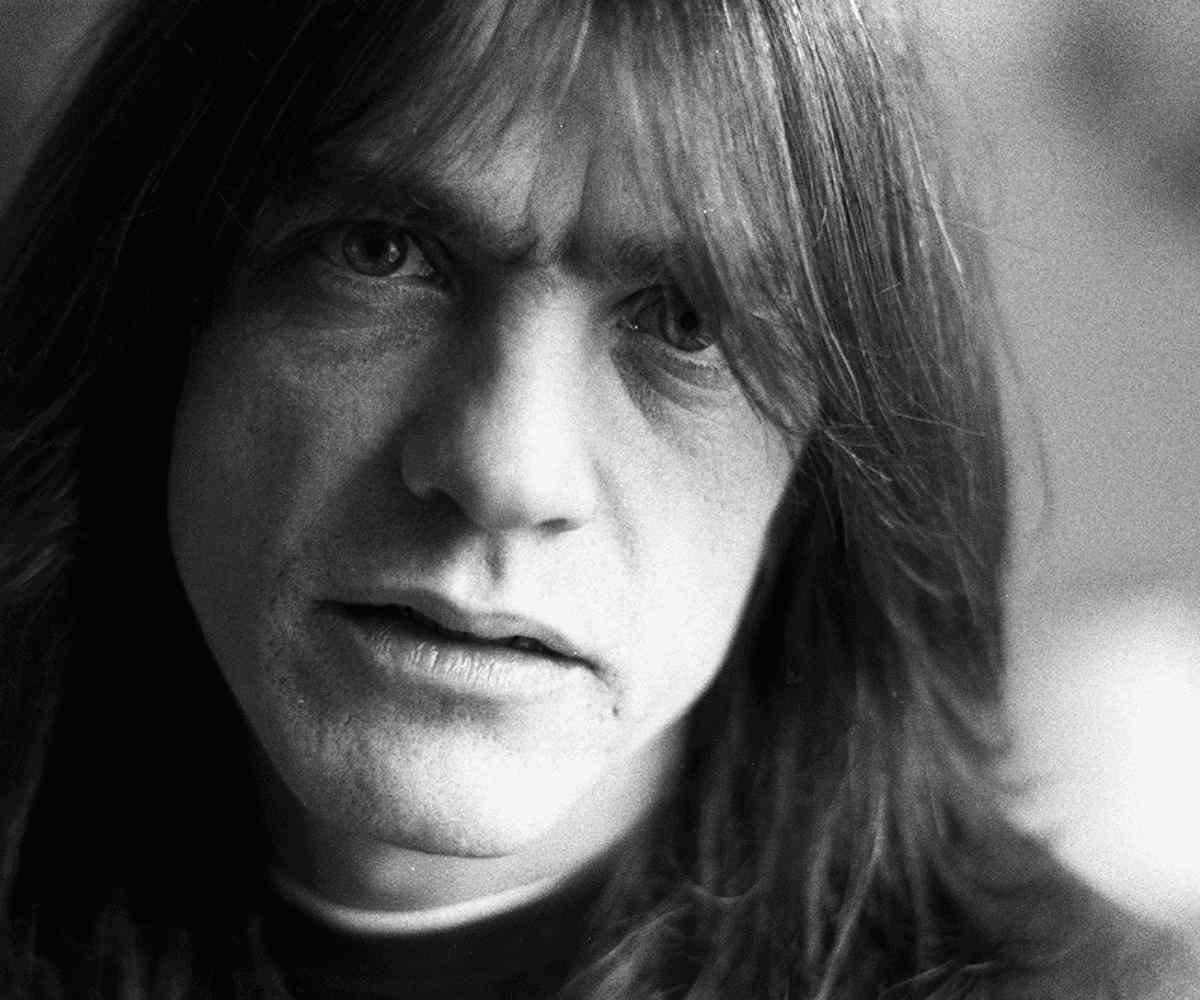
AC/DC legend Malcolm Young wasn’t shy about his views on rock music — and when it came to defining what he saw as true rock ’n’ roll, his answer was strikingly specific. In interviews late in his life, Young argued that only two active bands genuinely embodied rock ’n’ roll: AC/DC and The Rolling Stones.
Young made a clear distinction between rock ’n’ roll and broader rock music, insisting that many modern acts might be loud or aggressive but lacked the feel and groove that define the original genre. He explained that rock ’n’ roll has a particular swing — a rhythmic bounce that you feel in the hi-hat and snare — that most contemporary rock bands simply don’t capture. “Rock bands don’t really swing… rock ’n’ roll had a swing,” he said, noting that without that rhythmic movement, music can feel stiff and lacking that essential energy.
In Young’s view, AC/DC’s music stayed rooted in that tradition. From their earliest days performing blues-inflected covers of pioneers like Chuck Berry and The Rolling Stones to crafting original songs with groove at their core, the band deliberately kept its sound connected to rock ’n’ roll’s foundational elements. Tracks like You Shook Me All Night Long and It’s a Long Way to the Top (If You Wanna Rock ’n’ Roll) weren’t just hard rock anthems — they were celebrations of the raw feel that first defined the genre.
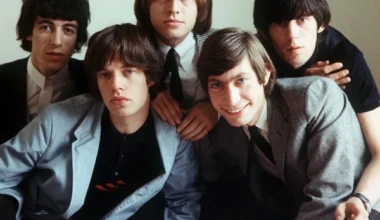
That same respect extended to The Rolling Stones, whom Young cited alongside AC/DC as the last true rock ’n’ roll outfit standing. While their individual styles differed, both bands prioritized rhythm and swagger — elements Young felt were missing in much of contemporary rock. His comments reflect a broader conversation about authenticity in music: what counts as rock ’n’ roll versus what is simply rock influenced by later trends.
For Young, the conversation wasn’t academic. It came from a lifetime spent immersed in the roots of rock and roll — from the blues and R&B that first swept across the Atlantic to the driving rhythms that powered AC/DC’s rise. His perspective remains a testament to how deeply the feel of original rock ’n’ roll mattered to one of the genre’s most influential figures.