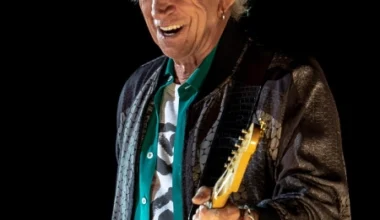

From the beginning, The Rolling Stones were never just about the music—they were about making space. Space for sounds others ignored. Space for cultures, rhythms, and approaches that didn’t fit the mainstream mold. It wasn’t just about the blues, either. The Stones created a world where rebellion was the norm and nonchalance was part of the art. At the heart of this ethos stood Keith Richards, a man who mastered the shrugging defiance of “It’s very rock ‘n’ roll, you know.”
Richards has always been blunt. But that bluntness was rooted in confidence—a belief that what they were doing mattered, even if others couldn’t quite grasp it. The Stones were often accused of imitation, accused of borrowing too much from their influences, especially from Black American music. But for Richards, these criticisms missed the point entirely.
The band wasn’t stealing—they were bridging worlds. While some thought The Stones were just mimicking styles to appear original, they were actually fusing musical traditions in ways no one else dared. This mindset meant Richards had to be sharp, especially when the critics came for them. He often turned the spotlight on others, not out of spite, but because he felt many modern acts were missing something vital: authenticity.
This explains why Richards, in 1977, took aim at punk rock—and the Sex Pistols in particular. At a time when Mick Jagger was flirting with the idea that punk was the “now,” Richards wasn’t convinced. “I don’t think that Bowie or Johnny Rotten or all the Zeppelins are anywhere in the future, let alone the present,” he said. “To think you’ve got to do something new just for the sake of doing it isn’t real.”
Richards saw the trend-chasing as hollow. He compared it to Dixieland bands adding electric guitars and rebranding as R&B just to stay relevant. “For a band of The Stones’ position to do that would have been ludicrous,” he said. “Why the fuck do we have to try to sound like the Sex Pistols? What’s the point of listening to that shit? It’s for mass-media consumption anyway.”
That final line made it clear: to Richards, the Sex Pistols weren’t a revolution—they were a product. And The Rolling Stones had no interest in sounding like a product. For them, chasing trends was fatal. They weren’t about chasing anything. They were about holding firm to what felt real, what felt earned, what had soul.
Sure, some fans and critics would argue that Richards’ dismissal of punk was out of touch. But to him, music wasn’t about staying “current”—it was about staying honest. And in a world of short-lived scenes and flashy trends, The Stones’ mission was clear: never lose sight of what makes rock matter.