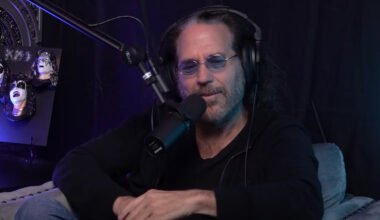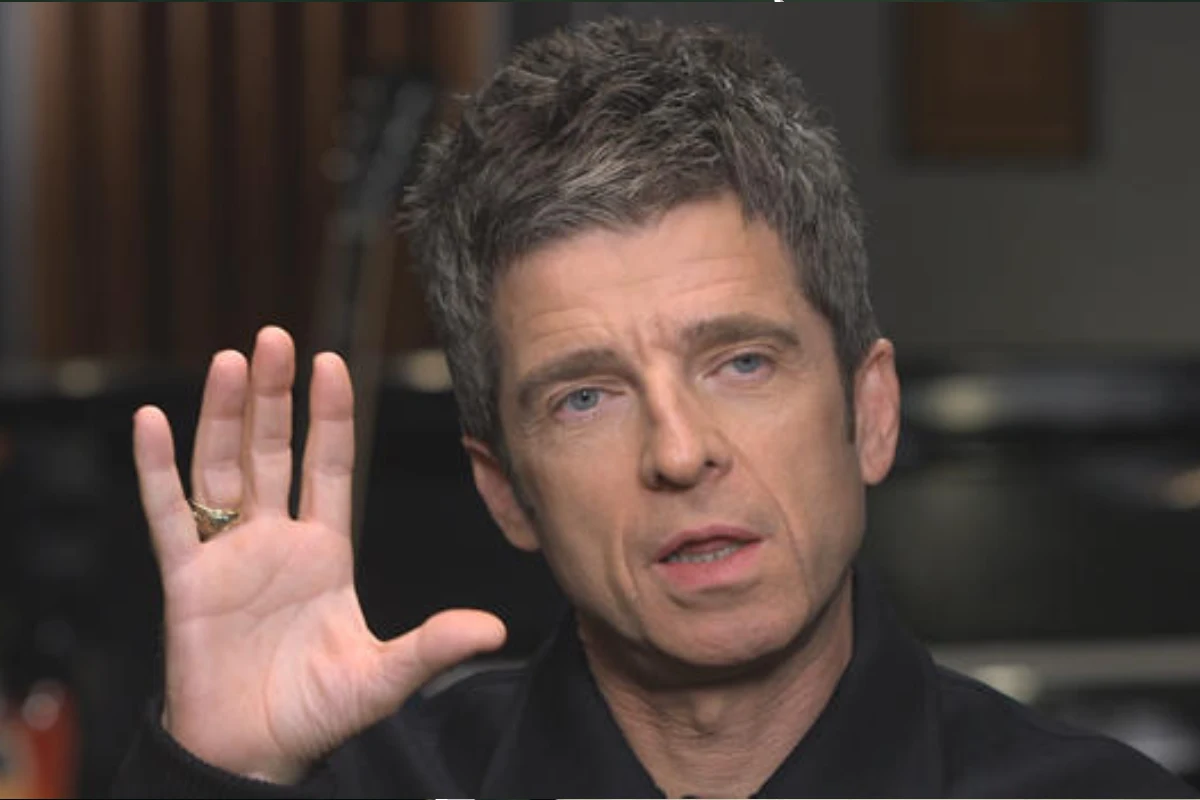

Paul Stanley recently opened up about one of the most challenging periods in KISS’s career — calling a particular album production “difficult,” and explaining what made it so. His reflection shines a light on the pressures the band faced when trying to stay relevant, evolve their sound, and satisfy both fans and internal expectations.
🎯 What Stanley Said — Behind the Scenes of the Struggle
In the interview, Stanley admitted that while KISS had always pursued bombastic rock and polished theatrics, there came a time when that formula started to strain under its own weight. He described the troubled album sessions as fraught with internal conflict, creative tension, and heavy outside pressure to deliver. The band was juggling conflicting ideas — wanting to push boundaries musically, but also fulfilling commercial obligations. According to Stanley, that tension turned what should have been a routine recording into a tough, emotionally draining experience.
He didn’t cast blame lightly, but acknowledged that sometimes ambition — and the burden of legacy — collided with reality. For him, the album wasn’t just another record. It became a test of patience, resilience, and belief in their music. He recalled nights in the studio where everything felt uncertain: the songs didn’t come together, inspiration ran dry, and the stakes felt higher than ever before.
⚠️ Why It Was Especially Hard — External and Internal Pressures
Stanley pointed out a few factors that made the album so difficult: changing musical tastes, high expectations from fans, and the pressure to deliver a “classic KISS” record while still moving forward. The band was navigating the shifting rock landscape, where newer genres and trends were pulling listeners in different directions. At the same time, their legacy loomed large — every fan, every label executive, and every rock critic expected KISS to be both timeless and contemporary.
To complicate matters, the band’s internal dynamic was under stress. Writing, performing, and producing under pressure can expose cracks, and for Stanley, that period revealed some of those. He admitted that creative disagreements, long hours, and the weight of perfectionism took a toll on morale and unity.
Yet he also framed the ordeal as something that ultimately defined them — a moment of truth that tested their commitment to each other and to the music. He suggested that without going through that painful process, KISS wouldn’t have learned how to evolve, survive, and keep moving forward.
✅ What Came After — Lessons, Survival, and Growth
Despite the difficulties, the album eventually got completed and released. Looking back now, Stanley regards that period as a necessary — if painful — turning point. It reminded the band that persistence matters more than comfort, that greatness often demands sacrifice, and that staying relevant sometimes means facing the toughest challenges head-on.
He said the experience renewed his respect for craft, collaboration, and the fragile balance between creativity and commerce. It also reinforced a vow: that from then on, KISS would never take their legacy for granted. Every riff, every note, every lyric would be earned — because they’d already paid the price.