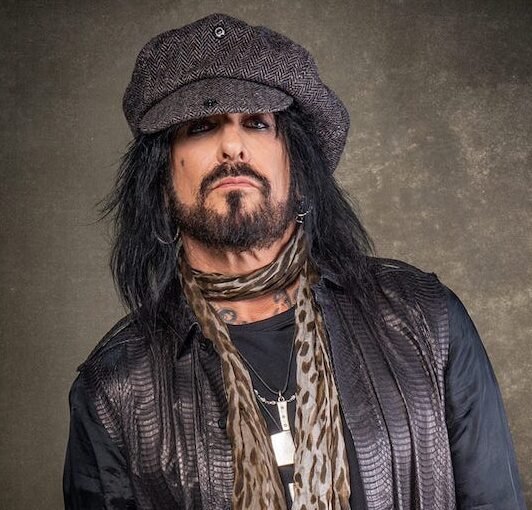
In a recent interview, Nikki Sixx, bassist and co-founder of Mötley Crüe, didn’t hold back when asked about a trend he’s noticed among several high-profile acts: major bands choosing to not play their classic hits live. Sixx, known for his brutally honest opinions and decades of rock-and-roll experience, made it clear that this trend bothers him — and he offered a blunt explanation for why it should bother fans too.
When the topic turned to big bands that avoid performing their most recognizable songs on tour, Sixx didn’t mince words.
“I hate it when big bands don’t play their hits,” he said. Sixx’s point was straightforward: artists who owe their stature to iconic hits arguably owe those songs to the fans who made them famous. In his view, skipping the songs that first connected audiences to the band breaks a kind of unspoken contract between performers and their followers.
He stated that while artistic evolution and experimentation are valid — fleshing out new material, deep catalog cuts or even reimagined arrangements — completely sidelining the songs that made a career is something he finds hard to defend.
Sixx’s stance comes from decades on the road with Mötley Crüe, a band whose catalog includes some of rock’s most indelible anthems: “Kickstart My Heart,” “Girls, Girls, Girls,” “Dr. Feelgood,” and “Home Sweet Home.” For Crüe, those songs aren’t just nostalgia — they’re staples of their live identity. Audiences expect to hear them, and the band has long embraced that expectation.
Sixx implied that maintaining a setlist filled with career-defining hits isn’t just respectful to fans but a fundamental part of honoring a band’s legacy.
While Sixx sees avoided hits as a missed opportunity, other artists have their reasons:
- Creative frustration: Some musicians tire of playing the same songs thousands of times.
- Evolution of identity: Artists sometimes feel their early work no longer represents who they are.
- Newer material focus: Bands investing in new phases may prioritize recent work to spotlight evolution.
Sixx acknowledges — implicitly — that creative growth matters. But he believes that creative growth should complement hits, not erase them.
Underlying Sixx’s frustration is a simple idea: fans matter. His comments reflect a belief that live shows are as much a service to audiences as they are a creative outlet for performers. When a fan buys a ticket expecting a set filled with signature songs, Sixx argues, it’s not unreasonable to deliver on that expectation.
In his mind, big bands have a kind of moral — if not contractual — obligation to balance artistic exploration with respect for the musical milestones that brought them fame.
Sixx’s remarks open up a larger conversation about how legacy bands approach touring in an era where catalog streaming and niche audiences complicate exactly what a hit even means. For older acts whose radio staples remain cultural touchstones, setlist construction isn’t just about creativity — it’s about legacy, connection, and validation from the very people who helped build that legacy.
Whether audiences agree with Sixx all the way or see value in bands reshaping their shows, his comments underscore a broader tension in rock: the balance between honoring the past and pursuing the future.