
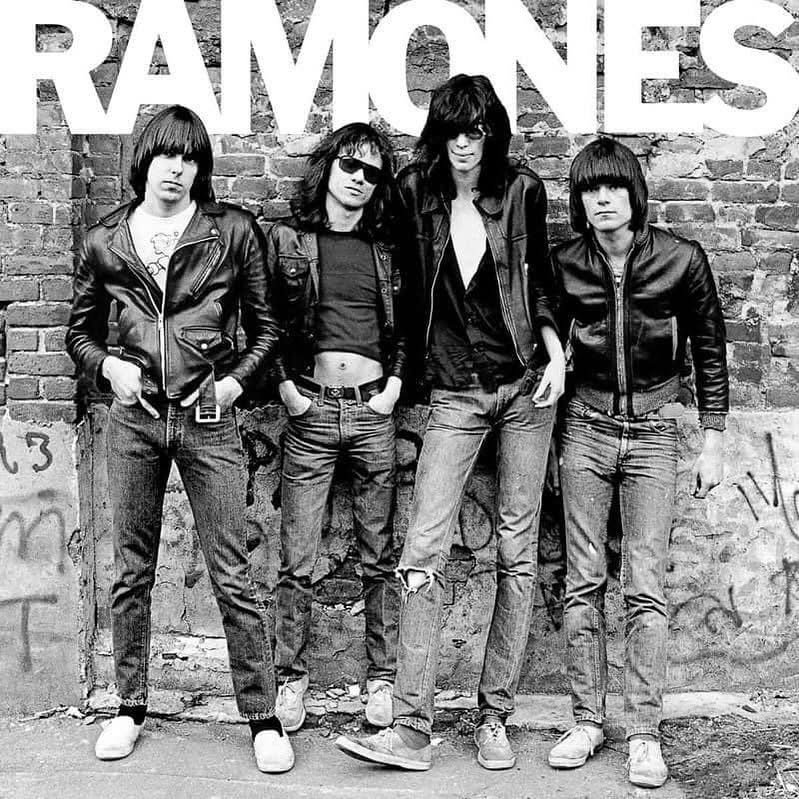
On April 23, 1976, Ramones released their self-titled debut Ramones — a record that would go on to define punk rock and reshape the direction of modern music.
Recorded in just a week for roughly $6,400, the album was the complete opposite of the polished, complex rock dominating the mid-’70s. Instead, it delivered 14 short, fast, and aggressive tracks, many clocking in at under two minutes. Songs like “Blitzkrieg Bop,” “Beat on the Brat,” and “Judy Is a Punk” became instant staples, built on simple chord progressions, relentless energy, and an attitude that rejected excess.
Despite its now-iconic status, Ramones was not an immediate commercial success. The album peaked at just No. 111 on the Billboard 200, a modest showing at the time. But what it lacked in chart dominance, it made up for in cultural impact.
The record became a blueprint for punk rock — influencing countless bands across the United States, the United Kingdom, and beyond. Its stripped-down approach inspired a generation of musicians to pick up guitars, form bands, and create music without the need for technical perfection or big budgets.
Over time, Ramones grew into one of the most influential debut albums in rock history. It didn’t just introduce a band — it launched a movement. Its raw sound, speed, and rebellious spirit helped ignite the global punk scene that would follow in the late 1970s.
Nearly five decades later, the album still stands as a landmark release. Fast, raw, and unapologetically loud, it remains a defining moment in music — proof that sometimes, less really is more.