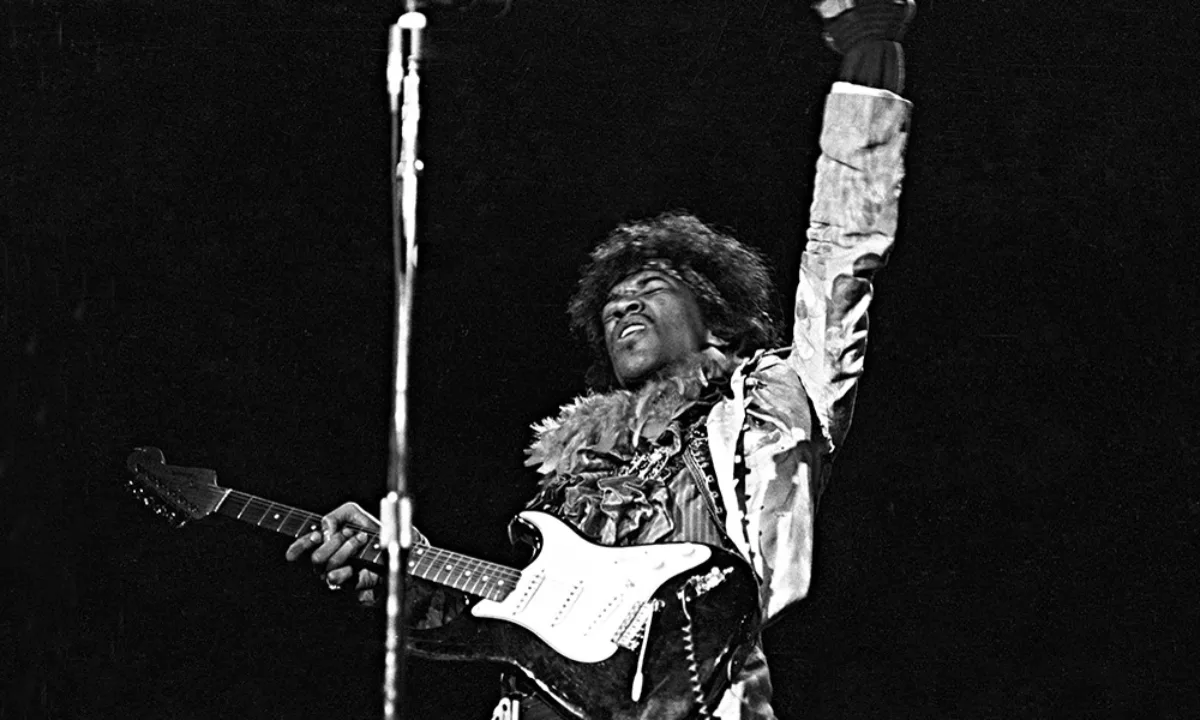
When Jimi Hendrix first hit the New York scene, he was a nobody—just another ambitious player trying to catch a break. But it didn’t take long for those with sharp ears to realize he was different. One of the first to spot his genius wasn’t a record executive or a fellow musician—it was a model: Linda Keith, then-girlfriend of Rolling Stones guitarist Keith Richards.
Linda saw Hendrix perform during a U.S. tour and instantly recognized the electricity in his playing. “My initial thought, of course, was Keith must see this,” she later told The Observer. “I was determined that he should be noticed, get a record deal and blow everybody’s mind.”
When Richards finally saw Hendrix play live—first with Curtis Knight, then at New York’s Ondine’s club—he got it. “I thought I was watching someone just about to break,” Richards recalled.
Linda pushed hard to get Hendrix in front of the right people. She brought Stones manager Andrew Loog Oldham to a showcase, but Hendrix had an off night and failed to impress. Still, fate wasn’t done with Jimi yet. Soon after, Chas Chandler of The Animals caught Hendrix’s matinee set at Café Wha?—and was utterly floored. That encounter would launch The Jimi Hendrix Experience and change the course of rock history.
When Hendrix arrived in London, everything changed. He became the name whispered in backstage corners and shouted in the clubs. Guitarists everywhere suddenly felt small. And among them, Keith Richards wasn’t immune.
Richards later admitted Hendrix left a mark he couldn’t shake: “One guy can ruin an instrument. Jimi Hendrix, bless his heart—how I wish he was still around—almost inadvertently ruined guitar.”
It wasn’t jealousy as much as awe. “Because he was the only cat who could do it like that,” Richards said. “Everybody else just screwed it up and thought wailing away was the answer. But it ain’t—you’ve got to be a Jimi to do that.”
Hendrix didn’t just raise the bar—he redefined it. In the decades since his death, no one has truly matched the sorcery he summoned from six strings. He didn’t just play the guitar; he became it. And even one of the most iconic guitarists of all time had to admit—there was no catching up.