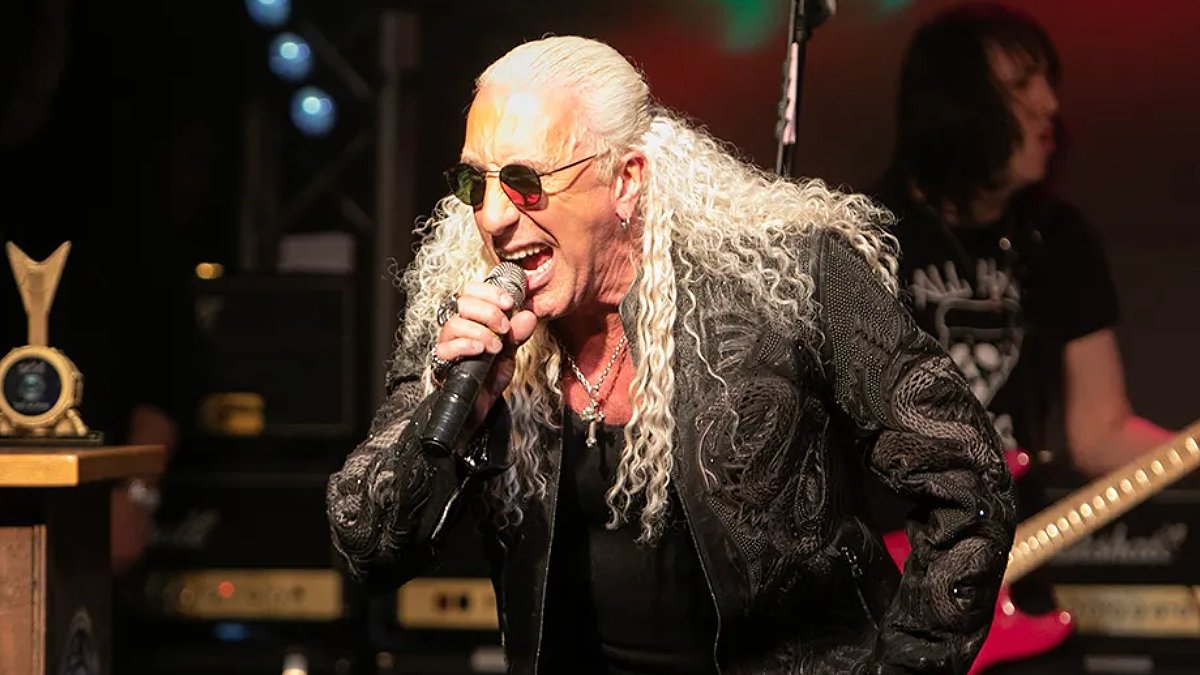
Dee Snider has sparked fresh debate in the rock world after delivering a brutally honest take on tribute bands during an exchange with a fan on X (formerly Twitter).
The conversation began when a fan asked Snider about how tribute acts operate, specifically questioning whether they pay licensing fees directly or if venues handle it through blanket licensing agreements. It’s a common point of confusion in live music, where performance rights are often managed by venues rather than individual performers.
Snider acknowledged that aspect, agreeing that compensation is typically handled through broader licensing systems. But while he didn’t dispute the technical side of how tribute bands operate, his personal opinion on them was anything but neutral.
“I hate them,” Snider responded bluntly. He went even further, calling tribute acts “non creative garbage,” making it clear that his criticism is rooted in what he sees as a lack of originality rather than legal or financial concerns.
The statement immediately stood out for its intensity, especially in a music landscape where tribute bands have become a major part of live entertainment. Many venues rely on them to draw crowds, and countless fans embrace them as a way to experience the music of legendary acts that no longer tour or have lost original members.
Snider’s criticism highlights a long-running divide in the industry. On one side are artists who believe music should constantly evolve through new ideas and creativity. On the other are fans and performers who see tribute acts as a way of preserving and celebrating iconic catalogs.
For Snider, the issue is clear — tribute bands, in his view, do not contribute anything new. His comments suggest that simply recreating existing material, no matter how well performed, falls short of what he considers true artistry.
At the same time, the discussion around licensing adds another layer. Tribute acts generally don’t pay artists directly for performing their songs. Instead, venues typically cover performance rights through licensing organizations, meaning the original songwriters receive royalties indirectly. Snider’s agreement on that point reinforces that his criticism is philosophical, not financial.
The reaction to his remarks has been mixed. Some fans agree with his stance, arguing that originality should always come first. Others push back, pointing out that tribute bands keep classic music alive and accessible, especially for younger audiences or in areas where major tours don’t reach.
In the end, Snider’s comments didn’t just criticize tribute bands — they reopened a wider conversation about creativity, authenticity, and what it really means to keep rock music alive.