The controversy around the use of “Fortunate Son” at Donald Trump events didn’t come out of nowhere — it’s rooted in a fundamental misunderstanding of what the song actually represents.
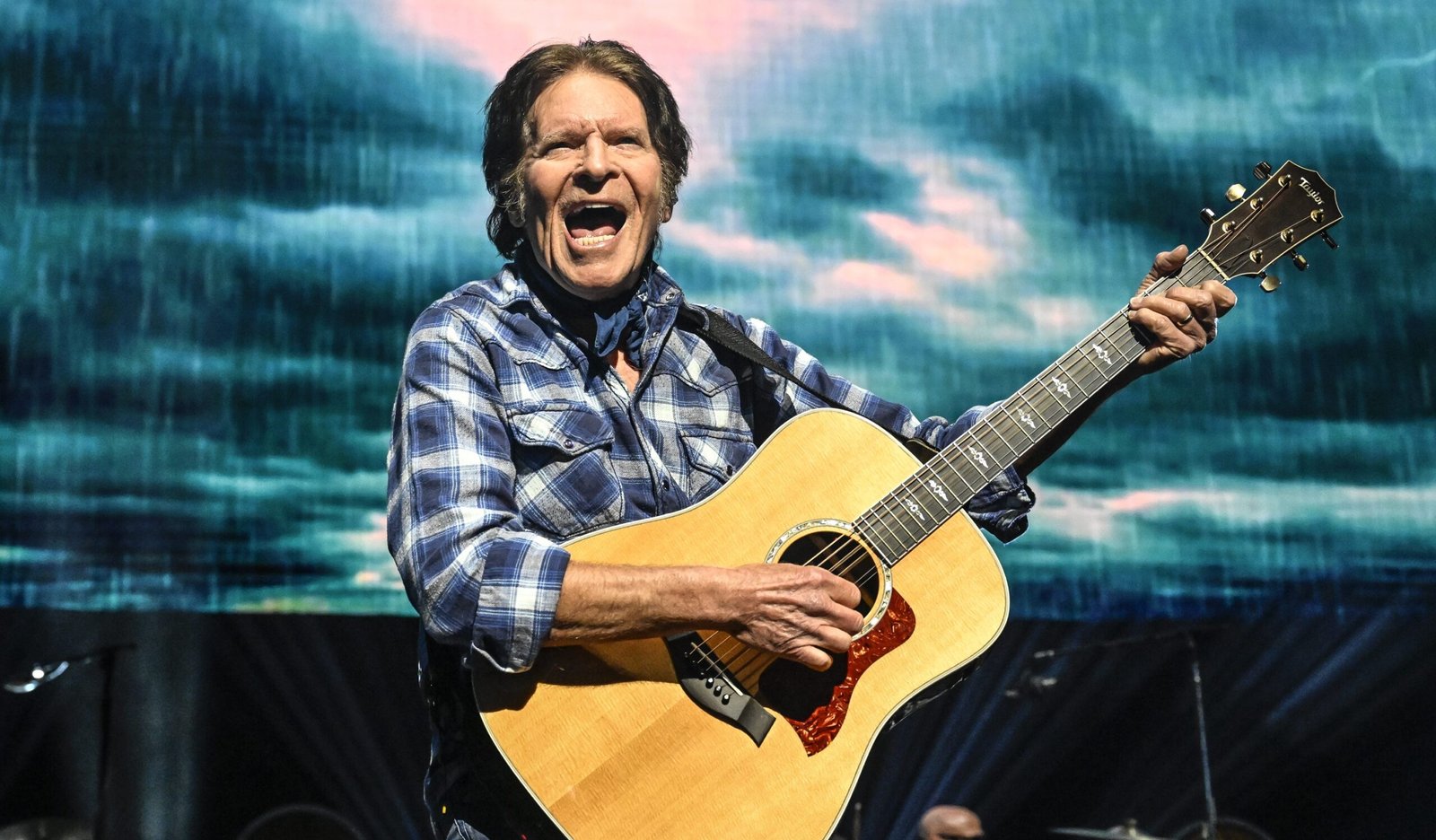
Originally released in 1969 by Creedence Clearwater Revival, the song was written by John Fogerty as a direct critique of class inequality during the Vietnam War. It specifically targeted wealthy and well-connected individuals who were able to avoid military service while others were sent to fight.
That message is central to why the backlash began.
During the 2020 presidential campaign, Donald Trump used “Fortunate Son” at a rally in Michigan. Fogerty responded quickly, issuing a cease-and-desist order and publicly objecting to the use of the song, stating that it was being used to promote a message he did not support.
He explained that the song was written out of frustration with privilege — including people avoiding service and not paying their fair share — and added that Trump represented exactly those issues.
The controversy didn’t end there.
Even after the backlash, the song continued to appear in Trump-related contexts, including being played — in instrumental form — during a military-themed event in Washington, D.C.
That’s what led to Fogerty’s more recent and sharper comments.
Reflecting on the repeated use of the track, he called it one of the most misunderstood songs in his catalog, noting that some people interpret it as patriotic when it was written as a protest.
He then delivered his most direct statement on the situation:
“I can’t imagine using that song as a political rallying theme, particularly when you seem to be the person who I’m screaming about in the song on all three counts.”
The line cuts to the core of the issue — the gap between the song’s meaning and how it’s being used.
“Fortunate Son” was never meant to celebrate power, patriotism, or authority. It was written to challenge them — specifically targeting privilege, inequality, and the systems that protect the powerful while others pay the cost.
That’s why its use in political rallies has drawn criticism not just from Fogerty, but as part of a broader pattern. Over the years, multiple artists have objected to their music being used in political campaigns without consent, arguing that it creates a false impression of endorsement.
In this case, the conflict is sharper because of what the song represents.
A protest anthem about privilege being used in a political setting tied to power — and, in Fogerty’s view, by someone who embodies the very subject of the song.
That contradiction is exactly what turned a classic rock track into a recurring political flashpoint.