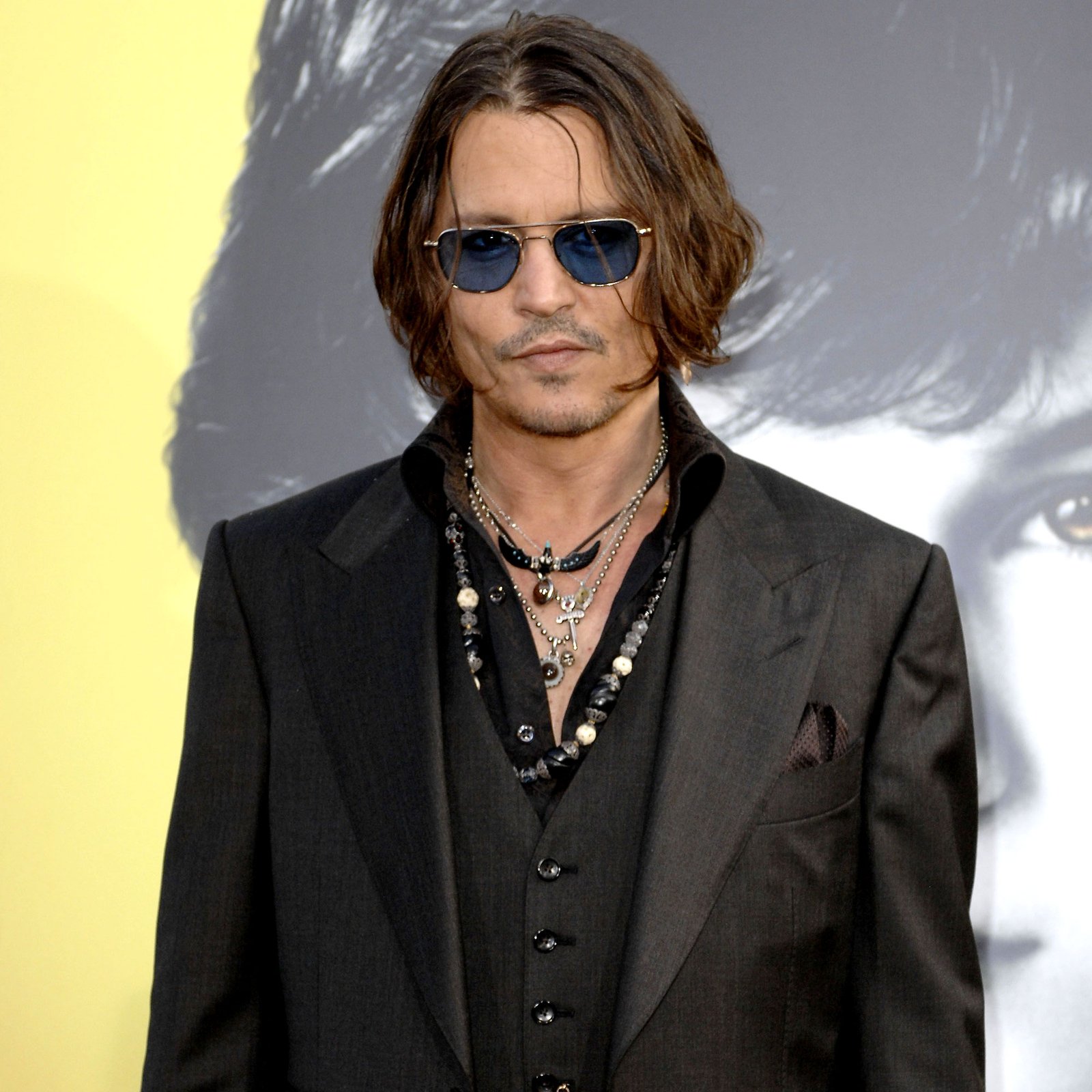
A viral claim that Johnny Depp was targeted by critics after responding “I don’t know who that is” to a question about Charlie Kirk appears to be false. Fact-checkers, including PrimeTimer, have determined the original story was likely AI-generated. In reality, Depp has not publicly addressed Charlie Kirk or his death.
Yet the line has taken on a life of its own online: “I don’t follow men who shout for a living. I follow stories, music, and the kind of humanity that actually heals people.” This phrase has been shared, meme-ified, and dissected by fans, media, and critics alike — some seeing it as a knock at Fox News or shouting political commentary culture in general.
Those who propagate the claim often frame Depp’s line as a “mic-drop response” to anger and intolerance. Instagram and Facebook posts present it as a statement against a screaming, divisive public sphere.
The deeper truth may lie in how we interpret silence, voice, and power. Depp’s line isn’t about ignorance — it’s about choosing what to listen to. In saying he doesn’t follow “men who shout,” he draws a contrast between rhetoric built on volume and rhetoric built on substance. He positions himself as an advocate for art, empathy, and connection over spectacle.
That doesn’t mean the comment is without criticism. Some argue it’s a dismissive posture toward political discourse or that it oversimplifies the messy world of social debate. Others see it as a beautiful protest in a time when nuance is drowning in clicks and controversy.
Whatever the intention (deliberate or misattributed), the line persists. It reminds us how words, once spoken, can escape their origin, live apart from their author, and echo back in ways even the speaker couldn’t have predicted.