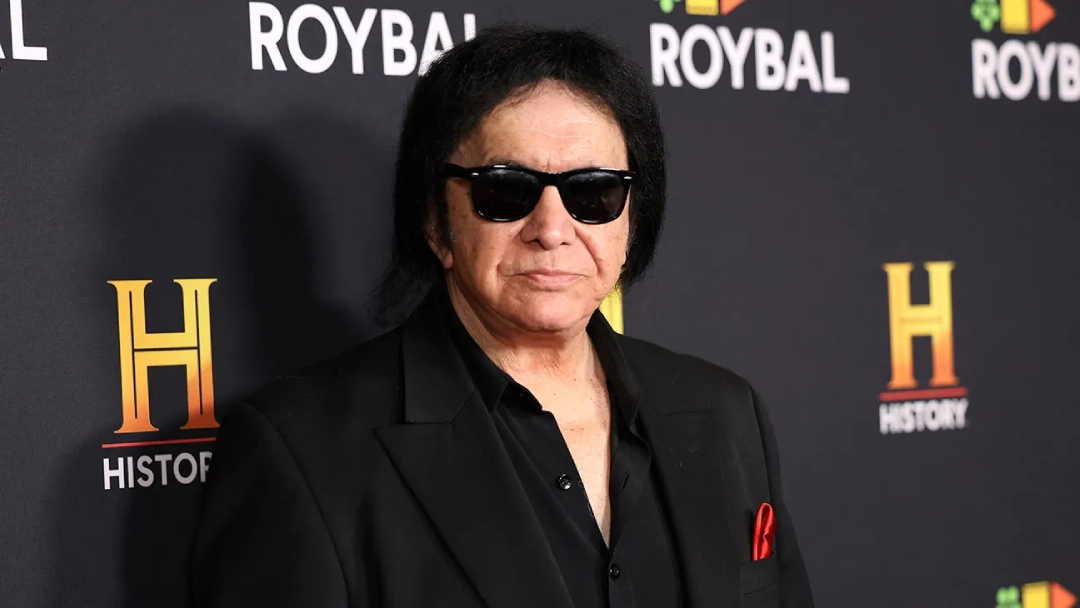
A familiar debate inside rock music has reignited — and this time, Melissa Etheridge is stepping directly into the line of fire against Gene Simmons.
The controversy began after the KISS bassist once again questioned why hip-hop artists are included in the Rock and Roll Hall of Fame, arguing that the genre doesn’t belong under the same banner as traditional rock. Simmons has repeatedly made the case that rock and hip-hop are fundamentally different forms of music, insisting that rap is more spoken-word driven and lacks the musical structure that defines rock.
His comments — including claims that hip-hop “does not belong” in the Rock Hall — quickly sparked backlash across the music world, reopening a long-running argument about what “rock and roll” actually means in a modern context.
Etheridge, who is herself nominated for the Hall’s 2026 class, didn’t stay silent. She challenged Simmons’ stance directly, pushing back on the idea that hip-hop sits outside the spirit of rock. For Etheridge, the issue isn’t about strict genre labels — it’s about influence, evolution, and the broader cultural impact that defines rock and roll itself.
Her response reframed the argument entirely: rock has never been a closed system. From its earliest days, it has drawn from blues, soul, folk, and countless other sounds — constantly evolving as new styles emerge. In that sense, excluding hip-hop ignores the very history of the genre, which has always thrived on blending, borrowing, and breaking boundaries.
Simmons, however, has remained firm. Even amid criticism, he has doubled down on his belief that categories exist for a reason and that the Rock Hall should stay rooted in what he views as “true” rock music. He has pointed to examples like the absence of bands such as Iron Maiden while hip-hop pioneers have already been inducted, using it as evidence that the institution has drifted from its original purpose.
The clash between the two artists reflects a deeper generational divide within music. On one side are those who see rock as a specific sound — guitar-driven, melodic, and rooted in a certain tradition. On the other are artists like Etheridge, who view rock as an attitude, a cultural force that extends beyond instrumentation and genre boundaries.
This isn’t the first time the Rock Hall has found itself at the center of controversy. Over the years, its inclusion of non-traditional rock acts — from R&B to hip-hop — has sparked ongoing debate among fans and musicians alike. But what makes this moment stand out is how openly artists are now challenging each other’s definitions in real time.
For Etheridge, the argument ultimately comes down to recognition and respect. Being nominated for the Hall is not just about honoring a career — it’s about acknowledging the broader ecosystem of music that shapes culture. And in that ecosystem, hip-hop’s influence is undeniable.
For Simmons, the issue remains one of identity. To him, expanding the definition of rock risks diluting it — turning a once-distinct genre into something too broad to define.
Somewhere between those two perspectives lies the ongoing question that continues to divide the music world:
What exactly is rock and roll — and who gets to decide?