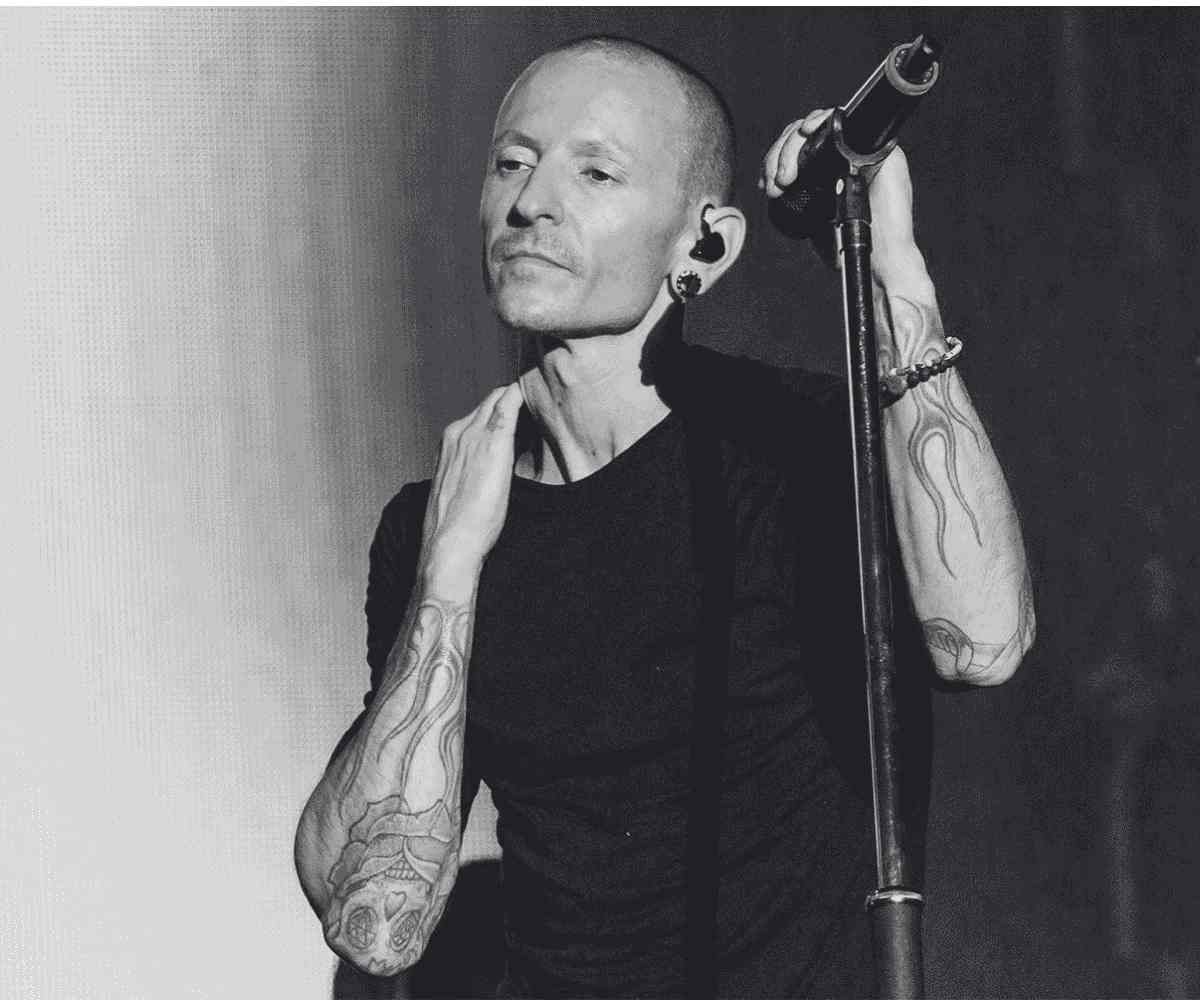
The rise of artificial intelligence in music has sparked heated debates across the industry, but for Mike Shinoda, the issue goes far beyond technology. For him, it’s about protecting the legacy of his late bandmate Chester Bennington and the integrity of the music they built together in Linkin Park.
In recent years, the internet has seen a surge of AI-generated tracks attempting to recreate the sound of late-1990s and early-2000s nu-metal, often imitating the style — and sometimes even the voice — of Bennington. For Shinoda, those projects cross a line.
Speaking about the trend, the musician made his stance clear: “I will never compromise Chester’s legacy for a quick trend. Our history is sacred, not algorithmic.”
The comments reflect a broader tension in the modern music world. AI tools can now generate songs that sound uncannily similar to real artists, raising questions about authorship, ethics, and respect for musicians who are no longer alive. For Shinoda, the emotional weight of Bennington’s passing makes the issue even more personal.
Bennington, who died in 2017, was not only the iconic voice behind many of Linkin Park’s biggest songs but also one of Shinoda’s closest collaborators. Together, they created a sound that helped define the nu-metal explosion of the early 2000s — blending rap, electronic elements, and heavy guitars in groundbreaking ways.
Albums like Hybrid Theory and Meteora turned the band into global superstars, and Bennington’s raw, emotional vocals became a defining part of that identity. For Shinoda, the idea of an algorithm trying to replicate that voice or emotion misses the entire point of what made the music powerful in the first place.
Shinoda has also spoken before about how Linkin Park always saw themselves as different from the stereotypical nu-metal scene. While the genre exploded commercially in the late 1990s, Shinoda often described the band’s approach as more introspective and emotionally honest compared with some of their peers.
That philosophy is one reason he believes AI-generated imitations feel hollow. The songs that connected with millions of fans were born from real experiences — personal struggles, friendships, and the creative chemistry between band members.
Beyond the technical debate, Shinoda’s stance also reflects a wider concern among artists about AI potentially replacing or diluting human creativity. While some musicians have experimented with AI tools as creative aids, others worry that the technology could be used to cheaply imitate artists’ work without their consent.
For Shinoda, the memory of Bennington makes that concern especially sensitive. The two musicians spent decades shaping the sound of Linkin Park together, and their partnership became one of the most recognizable voices of their generation.
That’s why the idea of AI-generated “new” nu-metal tracks modeled after Bennington strikes him as fundamentally wrong. In his view, the emotion, pain, and honesty that defined Linkin Park’s music can’t be recreated by code.
Technology may evolve, but for Shinoda, the soul of the band will always belong to the people who created it.
And when it comes to the legacy of Chester Bennington, that’s something he refuses to let an algorithm rewrite.