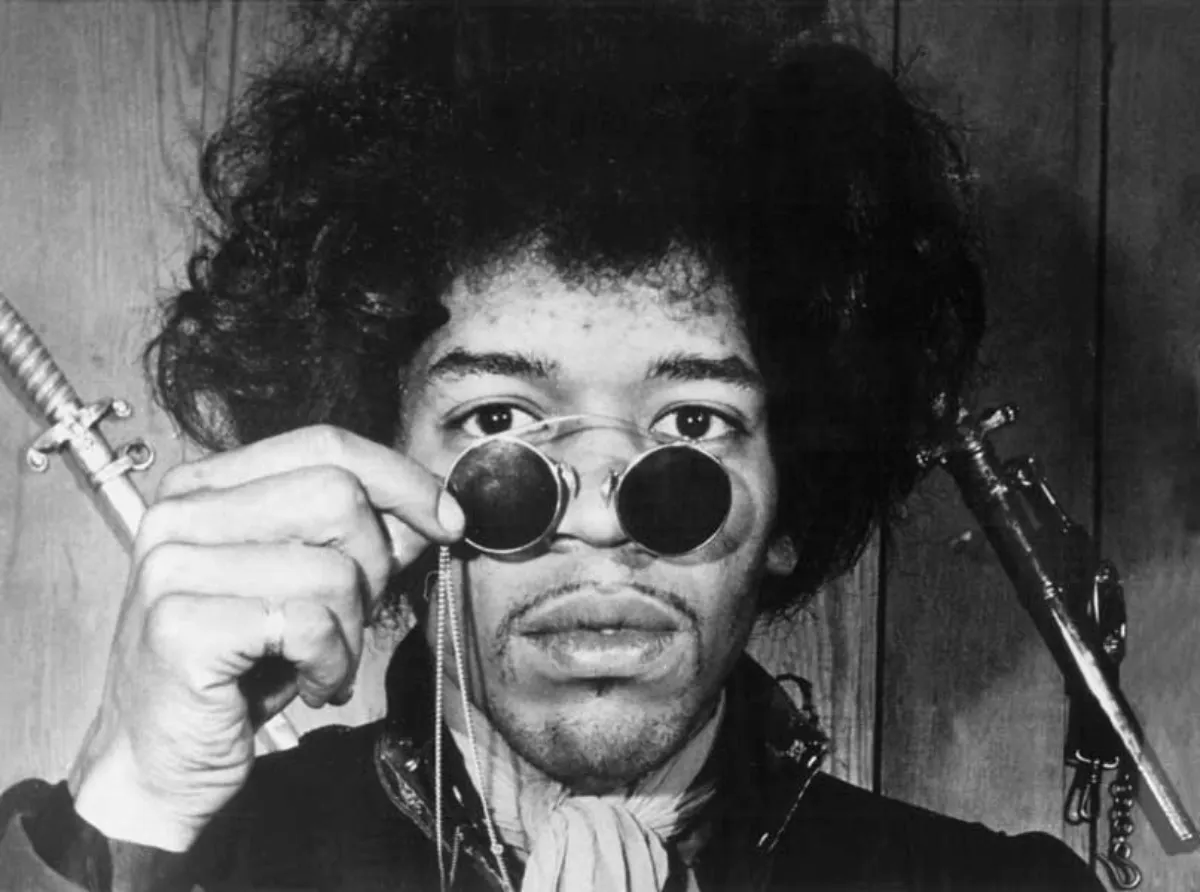
Even the most innovative musicians stand on the shoulders of those who came before them — and nowhere is that clearer than in the early development of Jimi Hendrix, widely regarded as one of the most revolutionary guitarists in rock history. While Hendrix’s sound ultimately became uniquely his own, his early playing was shaped by the influence of several key figures whose styles he absorbed and adapted into his own groundbreaking approach.
Hendrix didn’t emerge fully formed from nowhere. Like many guitarists of his generation, he drew inspiration from earlier styles and players, blending blues, R&B, rock and soul into a new and electrifying voice. One of the most important of these influences was Steve Cropper, the soulful guitarist from Booker T. & the M.G.’s. Cropper’s tasteful, groove-centered playing left a mark on Hendrix’s own rhythm work, particularly in the way he supported a song rather than simply tearing through flashy solos. Hendrix’s friend and fellow musician Billy Cox later recalled how early on he and Hendrix would “copy that” R&B style before developing their own sound.
Another foundational influence was blues legend B.B. King, whose expressive touch taught Hendrix that every note could carry meaning beyond sheer speed or technical flash. King’s emphasis on melody and emotional depth helped Hendrix frame his solos as musical statements rather than mere displays of ability.
Blues and rock pioneers like Muddy Waters, Albert Collins, Elmore James and others also informed Hendrix’s approach, providing essential lessons in feel and tone that he absorbed and then transcended. Hendrix himself spoke admiringly of these peers — at one point calling Texas blues player Albert Collins “one of the best guitarists in the world” and encouraging others to appreciate him.
Beyond blues and soul, Hendrix’s influences extended into rock and R&B as well. Early inspiration from Chuck Berry and contemporaries showing how guitar could lead a song or drive a performance helped Hendrix push the instrument into new rhythmic and expressive territory.
The result was a musical alchemy that blended all these threads — rhythm, feel, emotion, blues vocabulary and frenetic rock energy — into something wholly new. Hendrix did not simply copy his predecessors; he learned from them and then reimagined what the electric guitar could do. His legacy is built not just on innovation, but on a deep understanding of the tradition that came before him.